
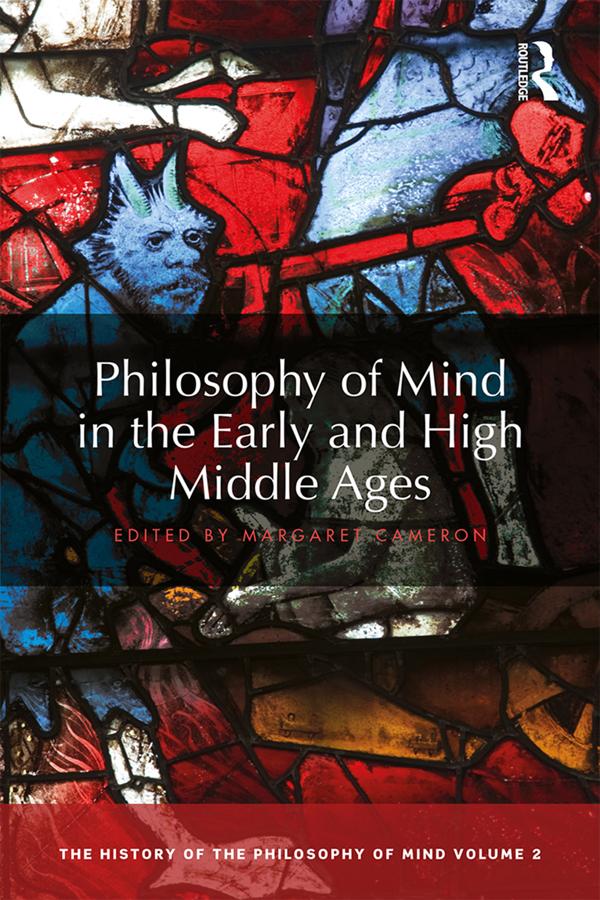
Philosophy of Mind in the Early and High Middle Ages provides an outstanding overview to a tumultuous 900-year period of discovery, innovation, and intellectual controversy that began with the Roman senator Boethius (c480-524) and concluded with the Franciscan theologian and philosopher John Duns Scotus (c1266-1308). Relatively neglected in philosophy of mind, this volume highlights the importance of philosophers such as Abelard, Duns Scotus, and the Persian philosopher and polymath Avicenna to the history of philosophy of mind.
Following an introduction by Margaret Cameron, twelve specially commissioned chapters by an international team of contributors discuss key topics, thinkers and debates, including:
- mental perception;
- Avicenna and the intellectual abstraction of intelligibles;
- Duns Scotus;
- soul, will, and choice in Islamic and Jewish contexts;
- perceptual experience;
- the systematization of the passions;
- the complexity of the soul and the problem of unity;
- the phenomenology of immortality;
- morality; and
- the self.
Essential reading for students and researchers in philosophy of mind, medieval philosophy, and the history of philosophy, Philosophy of Mind in the Early and High Middle Ages is also a valuable resource for those in related disciplines such as Religion.
Maksa helposti kortilla, Klarnalla, Apple Paylla tai Google Paylla. Etkö ole tyytyväinen? Sinulla on aina 14 päivän palautusoikeus. Lue lisää ehdoistamme. Jos sinulla on kysyttävää, lähetä meille sähköpostia osoitteeseen hello@memmo.org.
Memmo tekee opiskelusta helpompaa – missä päin maailmaa ikinä oletkin. Meillä yhdistät kurssikirjat ja fiksut opiskelutyökalut yhteen paikkaan: tiivistelmät, visat, podcastit ja muistikortit. Ja sitten Ted, opiskelukaverisi, joka vastaa kaikkeen, mitä ikinä mietitkin. Yli 50 000 opiskelijaa opiskelee jo täällä – rakennettu auttamaan sinua oppimaan nopeammin ja stressaamaan vähemmän.