
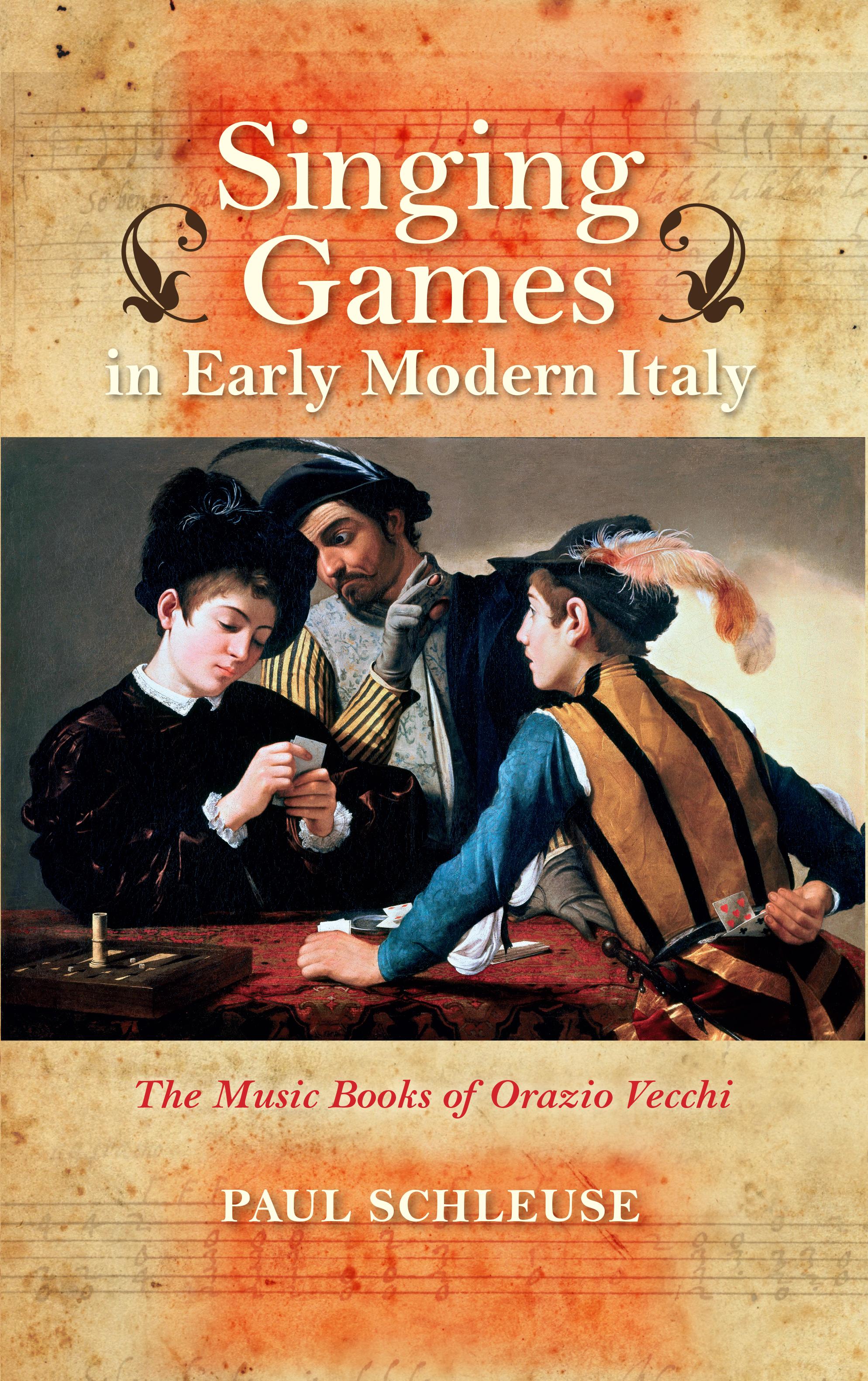
In Italy during the late cinquecento, printed music could be found not only in the homes of the wealthy or the music professional, but also in lay homes, courts, and academies. No longer confined to the salons of the elite, music took on the role of social play and recreation. Paul Schleuse examines these new musical forms through a study of the music books of Italian priest, poet, and composer, Orazio Vecchi. Composed for minor patrons and the wider music-buying public, Vecchi's madrigals took as their subjects game-playing, drinking, hunting, battles, and the life of the street. Schleuse looks at how music and game-playing allowed singers and performers to play the roles of exemplary pastoral characters and also comic, foreign, and "rustic" others in ways that defined and ultimately reinforced social norms of the times. His findings reposition Orazio Vecchi as one of the most innovative composers of the late 16th century.
Maksa helposti kortilla, Klarnalla, Apple Paylla tai Google Paylla. Etkö ole tyytyväinen? Sinulla on aina 14 päivän palautusoikeus. Lue lisää ehdoistamme. Jos sinulla on kysyttävää, lähetä meille sähköpostia osoitteeseen hello@memmo.org.
Memmo tekee opiskelusta helpompaa – missä päin maailmaa ikinä oletkin. Meillä yhdistät kurssikirjat ja fiksut opiskelutyökalut yhteen paikkaan: tiivistelmät, visat, podcastit ja muistikortit. Ja sitten Ted, opiskelukaverisi, joka vastaa kaikkeen, mitä ikinä mietitkin. Yli 50 000 opiskelijaa opiskelee jo täällä – rakennettu auttamaan sinua oppimaan nopeammin ja stressaamaan vähemmän.