
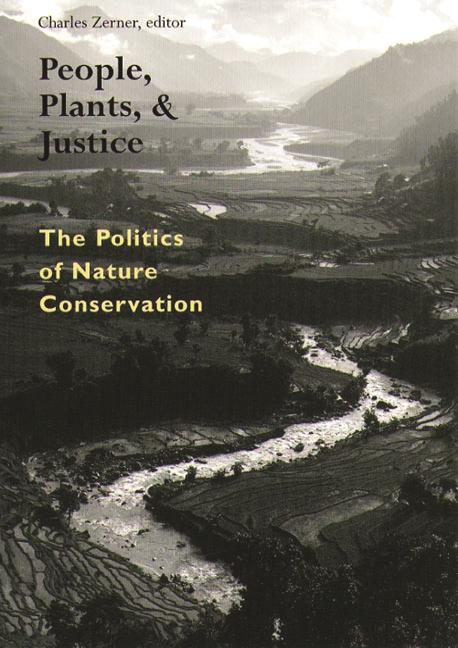
In an era of market triumphalism, this book probes the social and environmental consequences of market-linked nature conservation schemes. Rather than supporting a new anti-market orthodoxy, Charles Zerner and colleagues assert that there is no universal entity, "the market." Analysis and remedies must be based on broader considerations of history, culture, and geography in order to establish meaningful and lasting changes in policy and practice.
Original case studies from Asia, Latin America, Africa, and the South Pacific focus on topics as diverse as ecotourism, bioprospecting, oil extraction, cyanide fishing, timber extraction, and property rights. The cases position concerns about biodiversity conservation and resource management within social justice and legal perspectives, providing new insights for students, scholars, policy professionals and donor/foundations engaged in international conservation and social justice.
Maksa helposti kortilla, Klarnalla, Apple Paylla tai Google Paylla. Etkö ole tyytyväinen? Sinulla on aina 14 päivän palautusoikeus. Lue lisää ehdoistamme. Jos sinulla on kysyttävää, lähetä meille sähköpostia osoitteeseen hello@memmo.org.
Memmo tekee opiskelusta helpompaa – missä päin maailmaa ikinä oletkin. Meillä yhdistät kurssikirjat ja fiksut opiskelutyökalut yhteen paikkaan: tiivistelmät, visat, podcastit ja muistikortit. Ja sitten Ted, opiskelukaverisi, joka vastaa kaikkeen, mitä ikinä mietitkin. Yli 50 000 opiskelijaa opiskelee jo täällä – rakennettu auttamaan sinua oppimaan nopeammin ja stressaamaan vähemmän.