
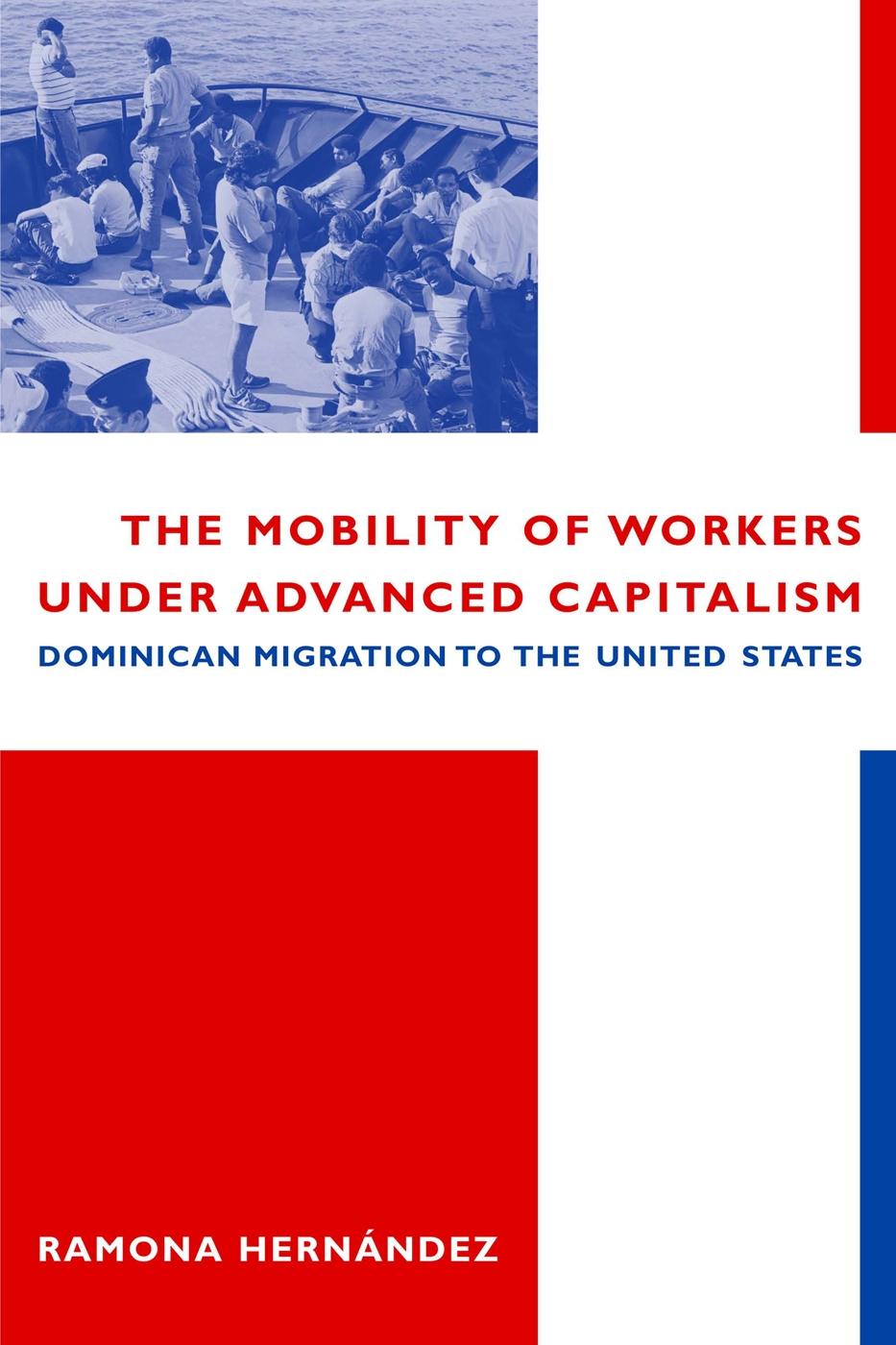
What explains the international mobility of workers from developing to advanced societies? Why do workers move from one region to another? Theoretically, the supply of workers in a given region and the demand for them in another account for the international mobility of laborers. Job seekers from less developed regions migrate to more advanced countries where technological and productive transformations have produced a shortage of laborers. Using the Dominican labor force in New York as a case study, Ramona Hernández challenges this presumption of a straightforward relationship between supply and demand in the job markets of the receiving society. She contends that the traditional correlation between migration and economic progress does not always hold true. Once transplanted in New York City, Hernández shows, Dominicans have faced economic hardship as the result of high levels of unemployment and underemployment and the reality of a changing labor market that increasingly requires workers with skills and training they do not have. Rather than responding to a demand in the labor market, emigration from the Dominican Republic was the result of a de facto government policy encouraging poor and jobless people to leave—a policy in which the United States was an accomplice because the policy suited its economic and political interests in the region.
Maksa helposti kortilla, Klarnalla, Apple Paylla tai Google Paylla. Etkö ole tyytyväinen? Sinulla on aina 14 päivän palautusoikeus. Lue lisää ehdoistamme. Jos sinulla on kysyttävää, lähetä meille sähköpostia osoitteeseen hello@memmo.org.
Memmo tekee opiskelusta helpompaa – missä päin maailmaa ikinä oletkin. Meillä yhdistät kurssikirjat ja fiksut opiskelutyökalut yhteen paikkaan: tiivistelmät, visat, podcastit ja muistikortit. Ja sitten Ted, opiskelukaverisi, joka vastaa kaikkeen, mitä ikinä mietitkin. Yli 50 000 opiskelijaa opiskelee jo täällä – rakennettu auttamaan sinua oppimaan nopeammin ja stressaamaan vähemmän.
Saatat pitää myös näistä
Osta kirja0