
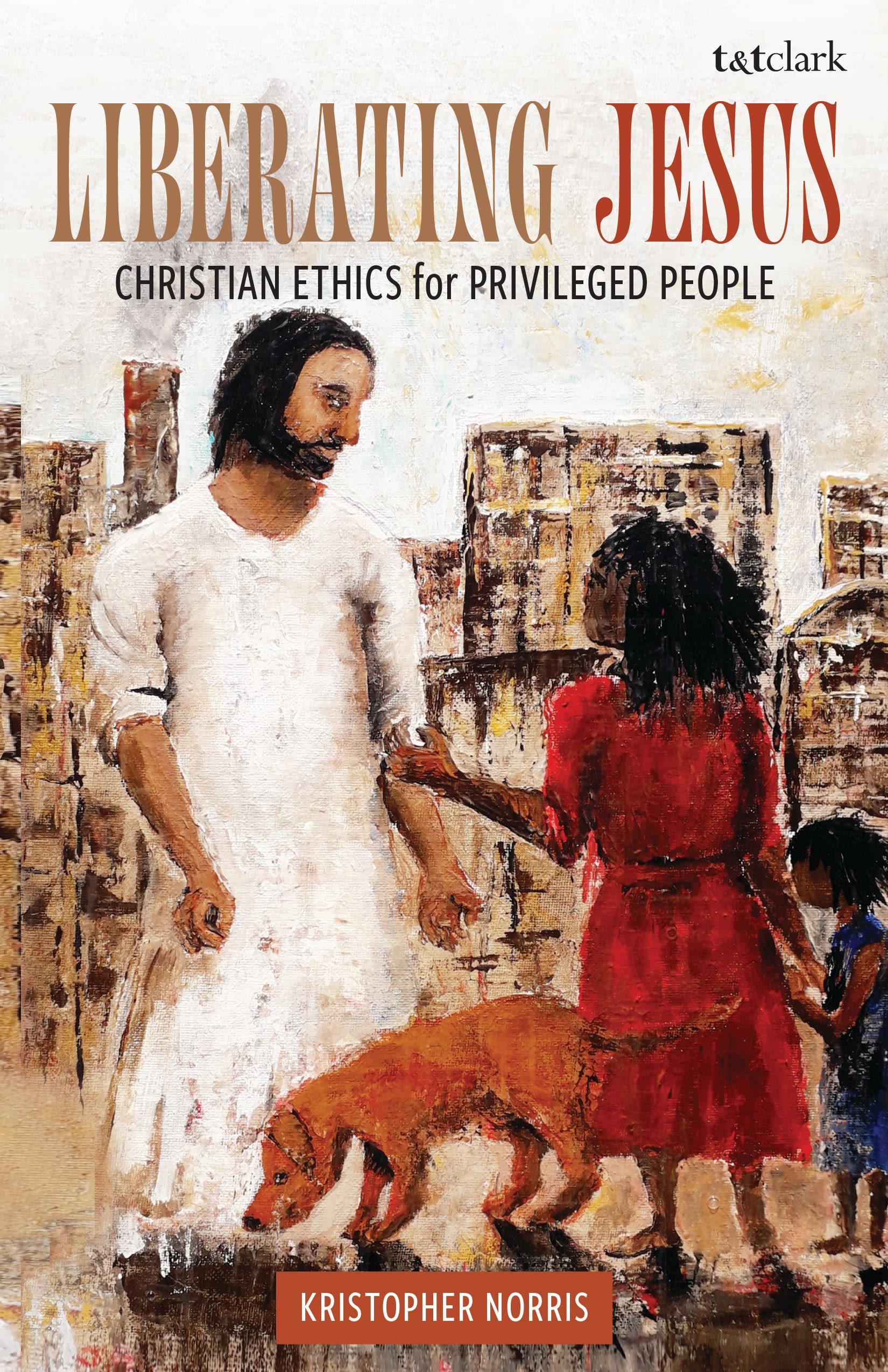
A call to free Jesus from the colonial ethic of exploitation and oppression that has distorted much of Christian theology and ministry.
Liberating Jesus confronts the troubling question of whether 2,000 years of Christianity have caused more harm than good. From the slave trade to the climate crisis, author Kristopher Norris challenges the Church, particularly privileged Christians, to examine its complicity in systemic injustice. In response, he presents a refreshing and innovative ethical framework: a communitarian virtue ethic of liberation. This approach uniquely reconciles the seemingly divergent theological traditions of postliberalism, with its emphasis on community and character, and liberation theology, with its focus on justice for the oppressed.
Drawing upon a wide range of sources-including liberationist, womanist, Anabaptist, and postliberal theologies, and guided by thinkers like Dietrich Bonhoeffer, James Cone, Ella Baker, Oscar Romero, and Katie Cannon-Norris models a new way of doing Christian ethics. The book first lays the theoretical groundwork, linking worship, practice, and character formation to the work of justice. It then applies this robust framework to some of the most urgent ethical issues facing the church today: patriarchy and toxic masculinity, white supremacy and racial injustice, war and peacemaking, poverty and consumerism, and the climate crisis. Throughout, Norris calls on readers to confront the oppressive legacy of Christian ethics and begin to live lives of solidarity and advocacy, following the witness of Jesus, for the liberation of the marginalized.
This book provides Christians-students, clergy, and laypeople-with various levels of privilege a new way to understand their role and responsibility in participating in movements for justice and liberation.
Liberating Jesus confronts the troubling question of whether 2,000 years of Christianity have caused more harm than good. From the slave trade to the climate crisis, author Kristopher Norris challenges the Church, particularly privileged Christians, to examine its complicity in systemic injustice. In response, he presents a refreshing and innovative ethical framework: a communitarian virtue ethic of liberation. This approach uniquely reconciles the seemingly divergent theological traditions of postliberalism, with its emphasis on community and character, and liberation theology, with its focus on justice for the oppressed.
Drawing upon a wide range of sources-including liberationist, womanist, Anabaptist, and postliberal theologies, and guided by thinkers like Dietrich Bonhoeffer, James Cone, Ella Baker, Oscar Romero, and Katie Cannon-Norris models a new way of doing Christian ethics. The book first lays the theoretical groundwork, linking worship, practice, and character formation to the work of justice. It then applies this robust framework to some of the most urgent ethical issues facing the church today: patriarchy and toxic masculinity, white supremacy and racial injustice, war and peacemaking, poverty and consumerism, and the climate crisis. Throughout, Norris calls on readers to confront the oppressive legacy of Christian ethics and begin to live lives of solidarity and advocacy, following the witness of Jesus, for the liberation of the marginalized.
This book provides Christians-students, clergy, and laypeople-with various levels of privilege a new way to understand their role and responsibility in participating in movements for justice and liberation.
Páginas: 208
Categoría: Religion & Teologi
e-ISBN: 9798881805678
Peso de envío: 1.2 kg
Envío en: 1-2 días
Paga fácilmente con tarjeta, Klarna, Apple Pay o Google Pay. ¿No estás contento? Siempre tienes 14 días de garantía de devolución. Lee más en nuestros términos. Si tienes preguntas, escríbenos a hello@memmo.org.
Memmo hace que estudiar sea más fácil, estés donde estés. Aquí tienes tus libros de texto y herramientas de estudio inteligentes en un solo lugar: resúmenes, quizzes, podcasts y flashcards. Y también a Ted, tu compañero de estudio que responde a todo lo que te preguntes. Más de 50 000 estudiantes ya estudian aquí. Está hecho para que aprendas más rápido y te estreses menos.