
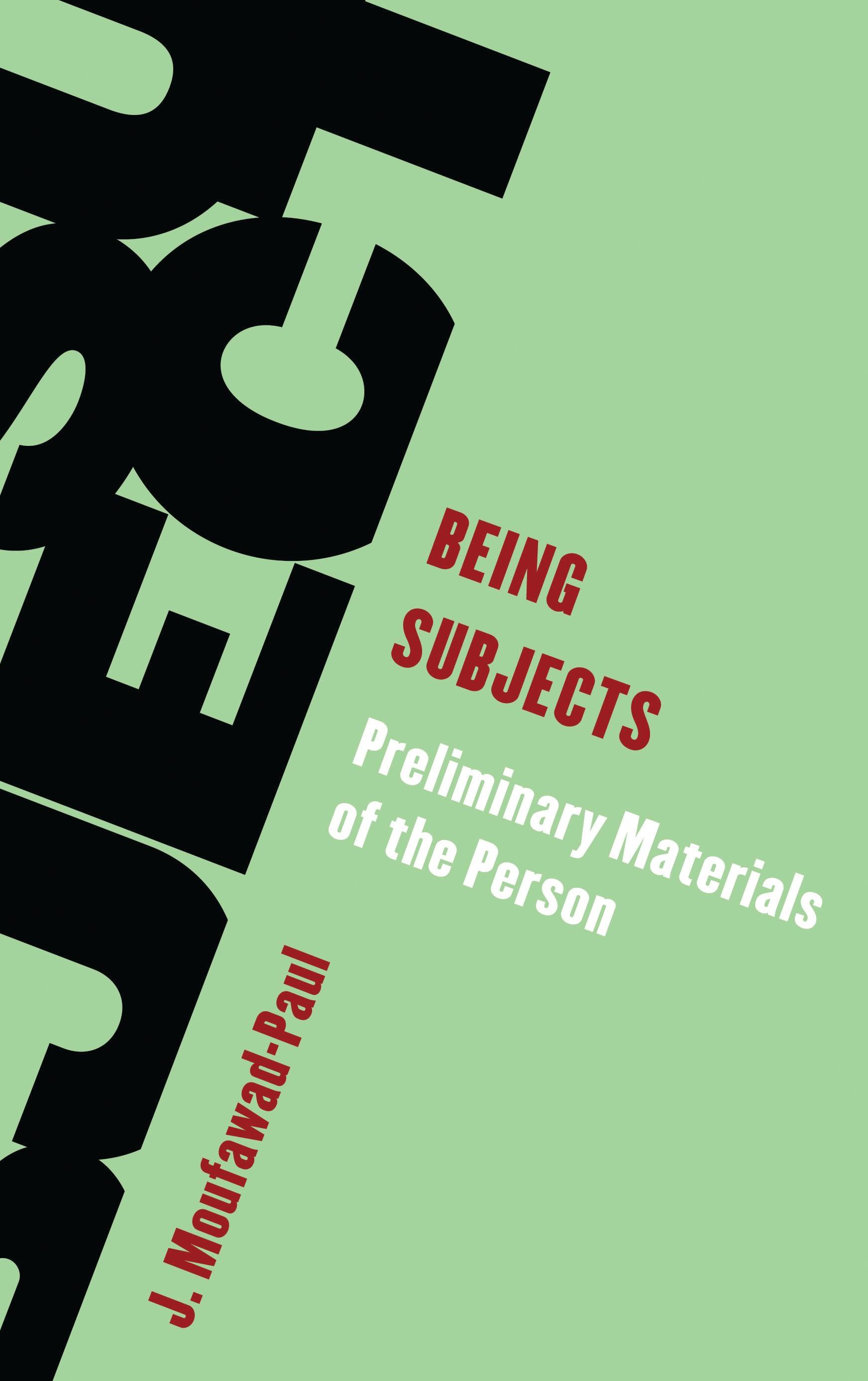
The concept of the subject remains one of the most important and debated notions in social theory and philosophy. Whether it is adopted as a central notion of personhood or rejected as a product of ideology or fiction, its usage has been a theme in a variety of political and speculative thought. Unfortunately, the prevalence of the term has often rendered its meaning opaque.
Being Subjects examines the history of this notion from Descartes to the present and discusses its emergence as a philosophical category as well as its connection to related notions such as essence and being. Drawing from the tradition of Fanon's revolutionary existentialism and a historical materialist approach to thought, J. Moufawad-Paul argues that despite the rejection of the subject by thinkers such as Althusser and Foucault, thinking the subject remains a meaningful philosophical practice for a politics dedicated to radical social transformation. If we can think through the category of the subject, we can also think through the legacy of modernity which includes settler-colonialism, slavery, and capitalism. We can also think through a conception of transformative subjectivity and the path to a new personhood and collective agency beyond this legacy's weight of dead generations.
Being Subjects examines the history of this notion from Descartes to the present and discusses its emergence as a philosophical category as well as its connection to related notions such as essence and being. Drawing from the tradition of Fanon's revolutionary existentialism and a historical materialist approach to thought, J. Moufawad-Paul argues that despite the rejection of the subject by thinkers such as Althusser and Foucault, thinking the subject remains a meaningful philosophical practice for a politics dedicated to radical social transformation. If we can think through the category of the subject, we can also think through the legacy of modernity which includes settler-colonialism, slavery, and capitalism. We can also think through a conception of transformative subjectivity and the path to a new personhood and collective agency beyond this legacy's weight of dead generations.
Paga fácilmente con tarjeta, Klarna, Apple Pay o Google Pay. ¿No estás contento? Siempre tienes 14 días de garantía de devolución. Lee más en nuestros términos. Si tienes preguntas, escríbenos a hello@memmo.org.
Memmo hace que estudiar sea más fácil, estés donde estés. Aquí tienes tus libros de texto y herramientas de estudio inteligentes en un solo lugar: resúmenes, quizzes, podcasts y flashcards. Y también a Ted, tu compañero de estudio que responde a todo lo que te preguntes. Más de 50 000 estudiantes ya estudian aquí. Está hecho para que aprendas más rápido y te estreses menos.