
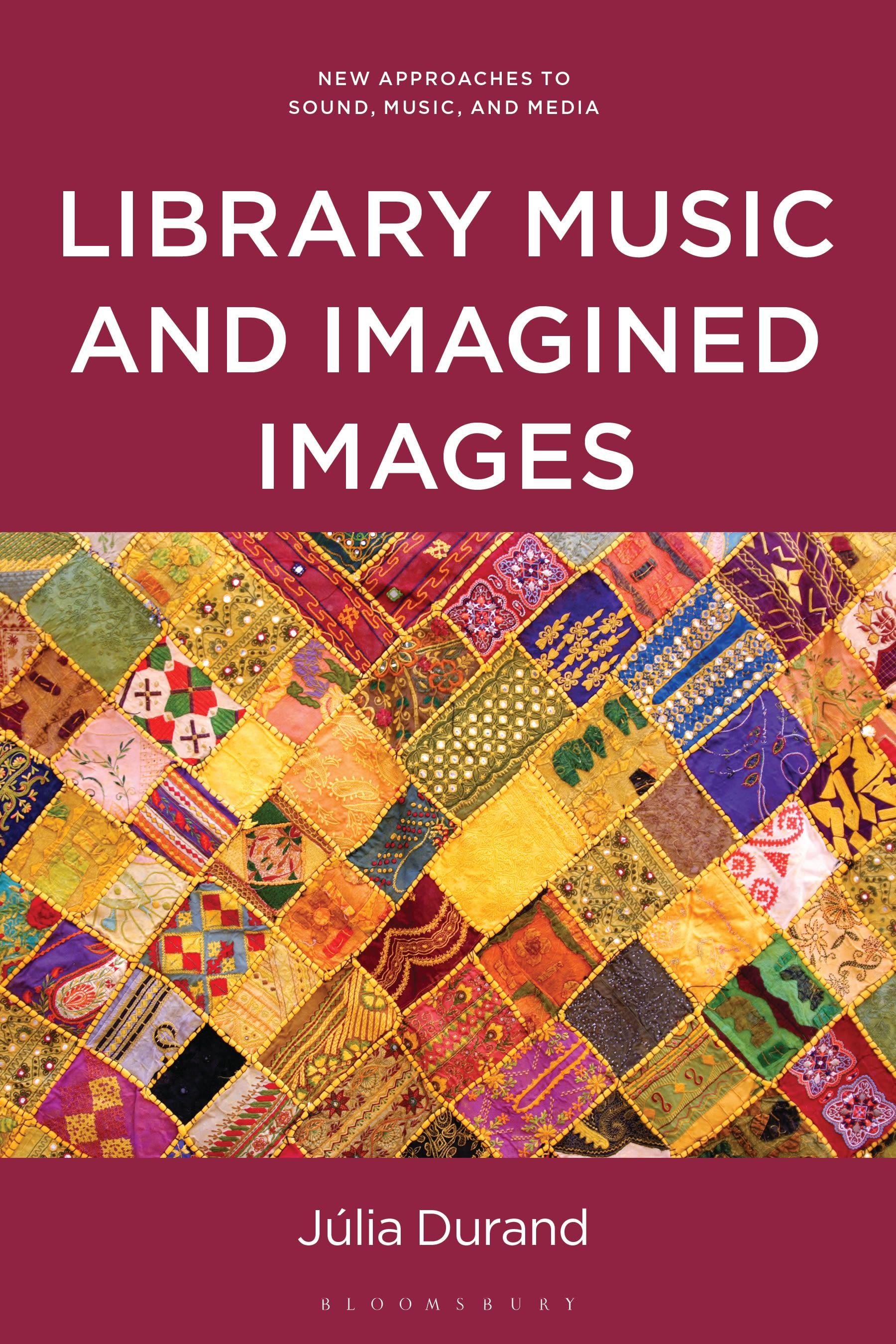
This book takes a musicological and sociological lens to the workings of this little-noticed sonic presence that shapes the media of our everyday lives, exploring how library music is created, received and used in online media, and what sets it apart from other musical practices.
Library music is an ubiquitous yet often unquestioned presence in contemporary media. This pre-existing music is used in a wide variety of contexts, from television and film trailers to YouTube videos. Although library music was first targeted at professional audiovisual producers, the spread of digital technologies has widened this music industry's client-base to include amateur videographers and online content makers.
Drawing from qualitative interviews with composers and media producers, these actors' perspectives are woven together in order to reach an in-depth insight into library music's creation and synchronization with pictures. The book teases out the patterns and peculiarities of library music that distinguish it from other musical practices: it is cast here as usable music made for imagined images, and as a repository of shared musical imaginaries.
By exploring how library music is continuously transformed in multiple and unpredictable moments of meaning-making, we also unveil its specificity not as a finished musical work, but rather as a raw material meant to be repurposed and reshaped beyond composers' hands. Ultimately, the book reframes library music as an object worthy of attention – one that can reveal much about music for media today.
Library music is an ubiquitous yet often unquestioned presence in contemporary media. This pre-existing music is used in a wide variety of contexts, from television and film trailers to YouTube videos. Although library music was first targeted at professional audiovisual producers, the spread of digital technologies has widened this music industry's client-base to include amateur videographers and online content makers.
Drawing from qualitative interviews with composers and media producers, these actors' perspectives are woven together in order to reach an in-depth insight into library music's creation and synchronization with pictures. The book teases out the patterns and peculiarities of library music that distinguish it from other musical practices: it is cast here as usable music made for imagined images, and as a repository of shared musical imaginaries.
By exploring how library music is continuously transformed in multiple and unpredictable moments of meaning-making, we also unveil its specificity not as a finished musical work, but rather as a raw material meant to be repurposed and reshaped beyond composers' hands. Ultimately, the book reframes library music as an object worthy of attention – one that can reveal much about music for media today.
Paga fácilmente con tarjeta, Klarna, Apple Pay o Google Pay. ¿No estás contento? Siempre tienes 14 días de garantía de devolución. Lee más en nuestros términos. Si tienes preguntas, escríbenos a hello@memmo.org.
Memmo hace que estudiar sea más fácil, estés donde estés. Aquí tienes tus libros de texto y herramientas de estudio inteligentes en un solo lugar: resúmenes, quizzes, podcasts y flashcards. Y también a Ted, tu compañero de estudio que responde a todo lo que te preguntes. Más de 50 000 estudiantes ya estudian aquí. Está hecho para que aprendas más rápido y te estreses menos.