
Runner-up Best Monograph, BAFTSS Publication Awards 2025
Operating between film theory, media philosophy, archival practice, and audiovisual research, Jiri Anger focuses on the relationship between figuration and materiality in early films, experimental found footage cinema, and video essays.
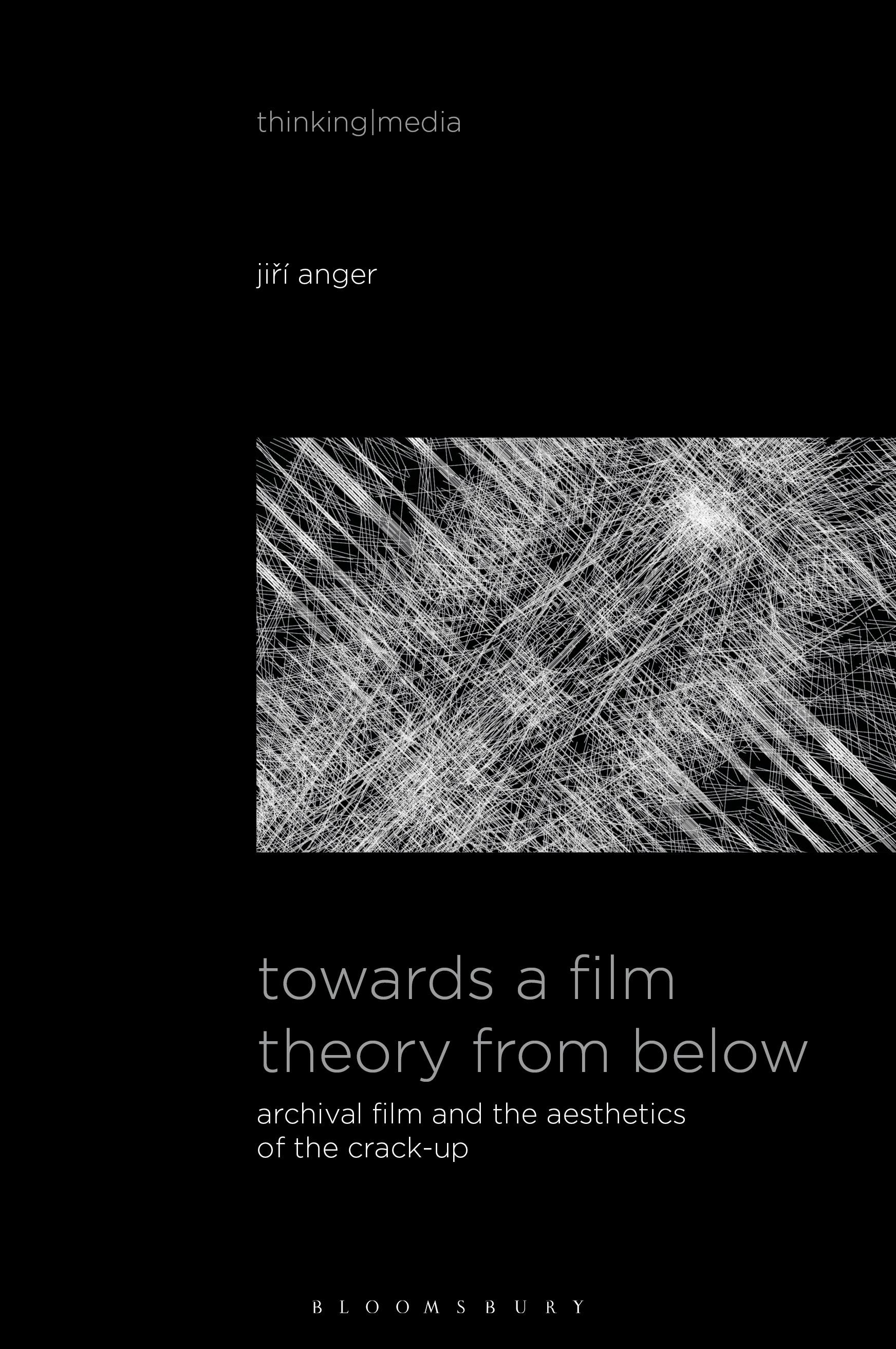
Would it be possible to do film theory from below, through the perspective of moving-image objects, of their multifarious details and facets, however marginal, unintentional, or aleatory they might be? Could we treat scratches, stains, and shakes in archival footage as speculatively and aesthetically generative features? Do these material actors have the capacity to create “weird shapes” within the figurative image that decenter, distort, and transform the existing conceptual and methodological frameworks?
Building on his theoretical as well as practical experience with the recently digitized corpus of the first Czech films, created by Jan Kríženecký between 1898 and 1911, the author demonstrates how technological defects and accidents in archival films shape their aesthetic function and our understanding of the materiality of film in the digital age. The specific clashes between the figurative and material spheres are understood through the concept of a “crack-up.” This term, developed by Francis Scott Fitzgerald and theoretically reimagined by Gilles Deleuze, allows us to capture the convoluted relationship between figuration and materiality as inherent to the medium of film, containing negativity and productivity, difference and simultaneity, contingency and fate, at the same time, even within the tiniest cinematic units.
Operating between film theory, media philosophy, archival practice, and audiovisual research, Jiri Anger focuses on the relationship between figuration and materiality in early films, experimental found footage cinema, and video essays.
Would it be possible to do film theory from below, through the perspective of moving-image objects, of their multifarious details and facets, however marginal, unintentional, or aleatory they might be? Could we treat scratches, stains, and shakes in archival footage as speculatively and aesthetically generative features? Do these material actors have the capacity to create “weird shapes” within the figurative image that decenter, distort, and transform the existing conceptual and methodological frameworks?
Building on his theoretical as well as practical experience with the recently digitized corpus of the first Czech films, created by Jan Kríženecký between 1898 and 1911, the author demonstrates how technological defects and accidents in archival films shape their aesthetic function and our understanding of the materiality of film in the digital age. The specific clashes between the figurative and material spheres are understood through the concept of a “crack-up.” This term, developed by Francis Scott Fitzgerald and theoretically reimagined by Gilles Deleuze, allows us to capture the convoluted relationship between figuration and materiality as inherent to the medium of film, containing negativity and productivity, difference and simultaneity, contingency and fate, at the same time, even within the tiniest cinematic units.
Páginas: 232
Categoría: Film- & Medievetenskap
e-ISBN: 9798765107287
Peso de envío: 1.2 kg
Envío en: 1-2 días
Paga fácilmente con tarjeta, Klarna, Apple Pay o Google Pay. ¿No estás contento? Siempre tienes 14 días de garantía de devolución. Lee más en nuestros términos. Si tienes preguntas, escríbenos a hello@memmo.org.
Memmo hace que estudiar sea más fácil, estés donde estés. Aquí tienes tus libros de texto y herramientas de estudio inteligentes en un solo lugar: resúmenes, quizzes, podcasts y flashcards. Y también a Ted, tu compañero de estudio que responde a todo lo que te preguntes. Más de 50 000 estudiantes ya estudian aquí. Está hecho para que aprendas más rápido y te estreses menos.