
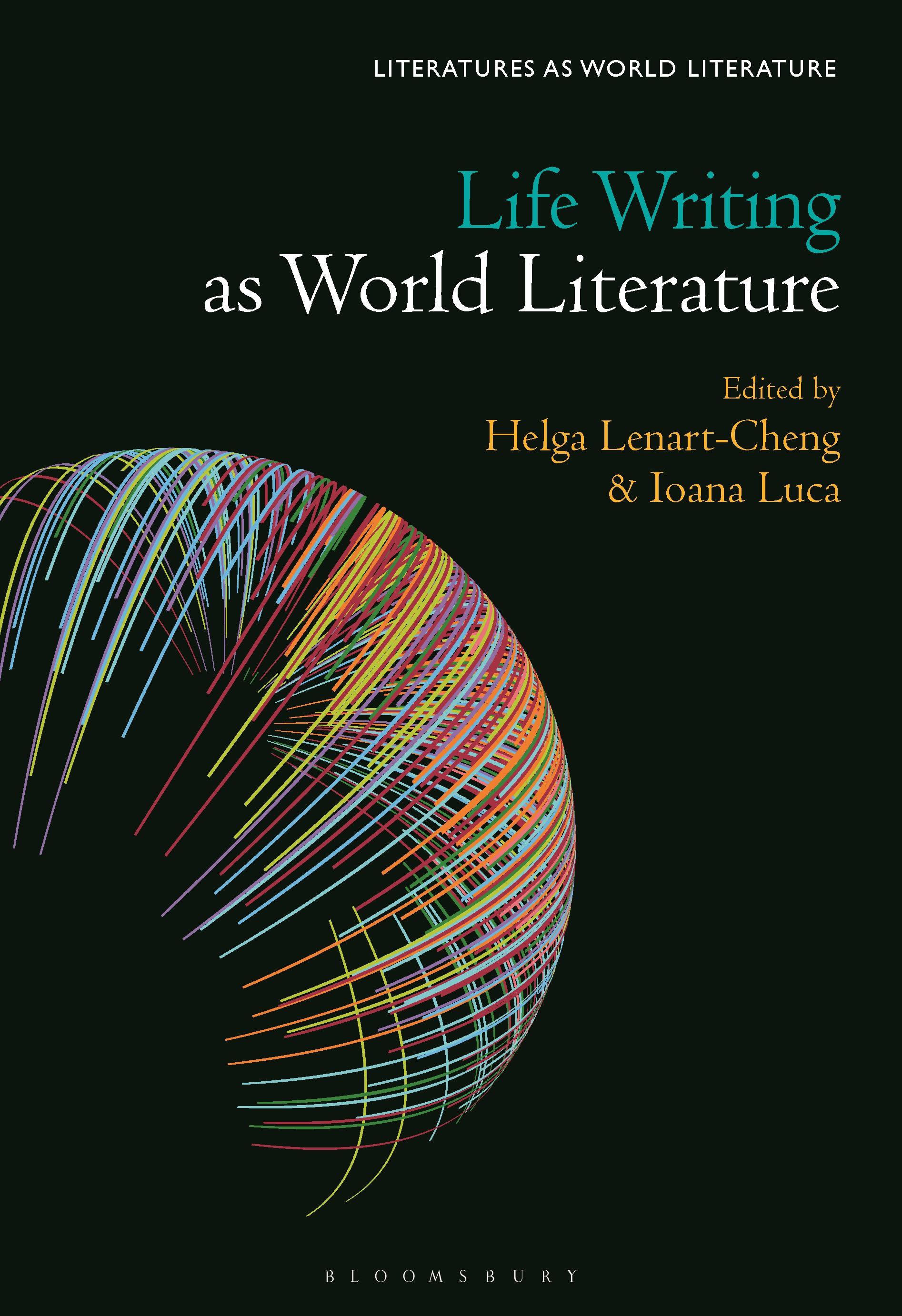
A global array of contributors explore the interplay between translation and circulation, mediums and materialities, and aesthetics and politics in how life writing is shaped by and becomes world literature.
We live in the age of popular self-representation in that most people around the globe either produce or consume autobiographical material: memoirs, selfies, blogs, etc. The current volume investigates this global phenomenon and examines how life writing and world literature converge. Why do some personal stories get “picked up,” translated, circulated, and taught in classrooms, while others remain moored in local waters? Do autobiographical stories that travel widely have something in common about them? Or is it the other way around, is it our notion of “world literature” that imposes uniform expectations on these diverse texts? And what can we gain from studying these two fields in conjunction?
Life Writing as World Literature brings together experts who map regional and local autobiographical traditions from six continents. These scholars explore the dynamic interplay between local and global aesthetics and sociopolitical concerns, presenting case studies that include prison narratives from communist regimes, Japanese diaries, multilingual Caribbean memoirs, Indian auto/biographical comics, and stories by Taiwanese domestic workers.
To understand how and why some personal stories enter global dissemination, contributors inquire into translation, market mechanisms, and circulation patterns, while also exploring the affordances of new media and materialities when recording contemporary lives. Life Writing as World Literature brings a fresh perspective to both fields – world literature and life writing – opening up exciting avenues of research.
We live in the age of popular self-representation in that most people around the globe either produce or consume autobiographical material: memoirs, selfies, blogs, etc. The current volume investigates this global phenomenon and examines how life writing and world literature converge. Why do some personal stories get “picked up,” translated, circulated, and taught in classrooms, while others remain moored in local waters? Do autobiographical stories that travel widely have something in common about them? Or is it the other way around, is it our notion of “world literature” that imposes uniform expectations on these diverse texts? And what can we gain from studying these two fields in conjunction?
Life Writing as World Literature brings together experts who map regional and local autobiographical traditions from six continents. These scholars explore the dynamic interplay between local and global aesthetics and sociopolitical concerns, presenting case studies that include prison narratives from communist regimes, Japanese diaries, multilingual Caribbean memoirs, Indian auto/biographical comics, and stories by Taiwanese domestic workers.
To understand how and why some personal stories enter global dissemination, contributors inquire into translation, market mechanisms, and circulation patterns, while also exploring the affordances of new media and materialities when recording contemporary lives. Life Writing as World Literature brings a fresh perspective to both fields – world literature and life writing – opening up exciting avenues of research.
Páginas: 328
Categoría: Litteraturvetenskap & Teori
e-ISBN: 9798765107133
Peso de envío: 1.2 kg
Envío en: 1-2 días
Paga fácilmente con tarjeta, Klarna, Apple Pay o Google Pay. ¿No estás contento? Siempre tienes 14 días de garantía de devolución. Lee más en nuestros términos. Si tienes preguntas, escríbenos a hello@memmo.org.
Memmo hace que estudiar sea más fácil, estés donde estés. Aquí tienes tus libros de texto y herramientas de estudio inteligentes en un solo lugar: resúmenes, quizzes, podcasts y flashcards. Y también a Ted, tu compañero de estudio que responde a todo lo que te preguntes. Más de 50 000 estudiantes ya estudian aquí. Está hecho para que aprendas más rápido y te estreses menos.