
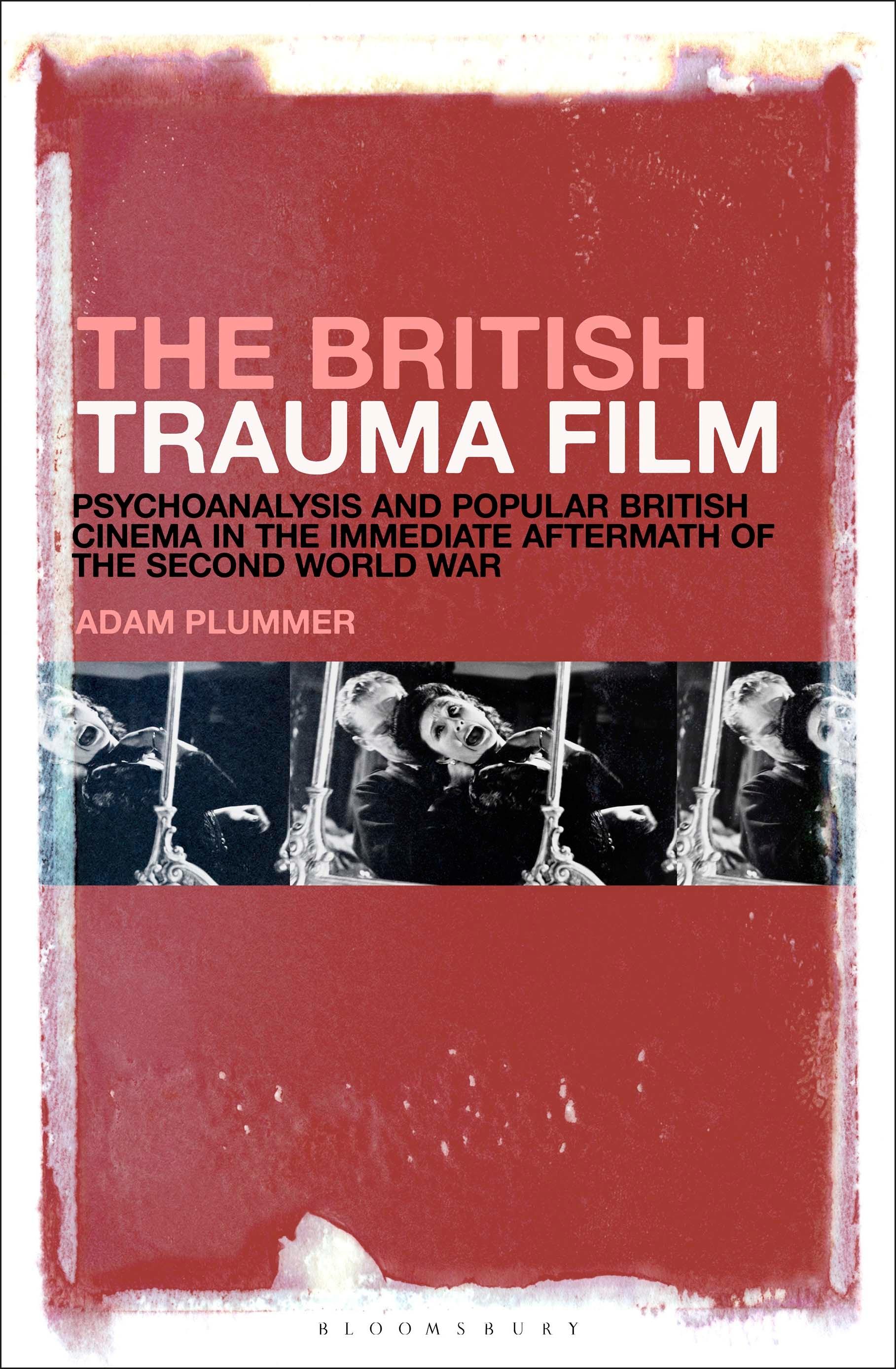
While the historical influence of psychoanalysis on Hollywood cinema has received considerable attention, the same cannot be said for its influence on British cinema. This book examines the central position that psychoanalysis occupies in British cinema in the years immediately following the Second World War.
Plummer uses a critical theory framework to understand the role that psychoanalysis plays in British culture at this time as an historical discourse, and in British cinema as a narrative, a cultural, and an ideological discourse. He defines these as arising within various areas of contemporary psychoanalytic thinking related to traumatic wartime experience, sexual difference, and the interplay between subjectivity and objectivity. He analyzes six British films of the period: The Halfway House, Dead of Night, The Seventh Veil, Madonna of the Seven Moons, They Made Me a Fugitive, and Mine Own Executioner and demonstrates how psychoanalysis operates within them as a narrative and formal structuring mechanism. He argues that this engagement enables these films to begin to address the emotional fallout of the war by creating safe representational spaces where contemporary audiences could engage with their own traumatic experiences.
While The British Trauma Film defines psychoanalysis as providing a language for British cinema at this time to confront the effects of wartime trauma, it finds that it also operates within a normalizing ideological system designed to reproduce dominant pre-war relations of political, social, and sexual power. However, in this group of films, this system is often countered by subversive discursive forces that seem to be immanent to the films themselves.
Plummer uses a critical theory framework to understand the role that psychoanalysis plays in British culture at this time as an historical discourse, and in British cinema as a narrative, a cultural, and an ideological discourse. He defines these as arising within various areas of contemporary psychoanalytic thinking related to traumatic wartime experience, sexual difference, and the interplay between subjectivity and objectivity. He analyzes six British films of the period: The Halfway House, Dead of Night, The Seventh Veil, Madonna of the Seven Moons, They Made Me a Fugitive, and Mine Own Executioner and demonstrates how psychoanalysis operates within them as a narrative and formal structuring mechanism. He argues that this engagement enables these films to begin to address the emotional fallout of the war by creating safe representational spaces where contemporary audiences could engage with their own traumatic experiences.
While The British Trauma Film defines psychoanalysis as providing a language for British cinema at this time to confront the effects of wartime trauma, it finds that it also operates within a normalizing ideological system designed to reproduce dominant pre-war relations of political, social, and sexual power. However, in this group of films, this system is often countered by subversive discursive forces that seem to be immanent to the films themselves.
Páginas: 240
Categoría: Film- & Medievetenskap
e-ISBN: 9798765100486
Peso de envío: 1.2 kg
Envío en: 1-2 días
Paga fácilmente con tarjeta, Klarna, Apple Pay o Google Pay. ¿No estás contento? Siempre tienes 14 días de garantía de devolución. Lee más en nuestros términos. Si tienes preguntas, escríbenos a hello@memmo.org.
Memmo hace que estudiar sea más fácil, estés donde estés. Aquí tienes tus libros de texto y herramientas de estudio inteligentes en un solo lugar: resúmenes, quizzes, podcasts y flashcards. Y también a Ted, tu compañero de estudio que responde a todo lo que te preguntes. Más de 50 000 estudiantes ya estudian aquí. Está hecho para que aprendas más rápido y te estreses menos.