
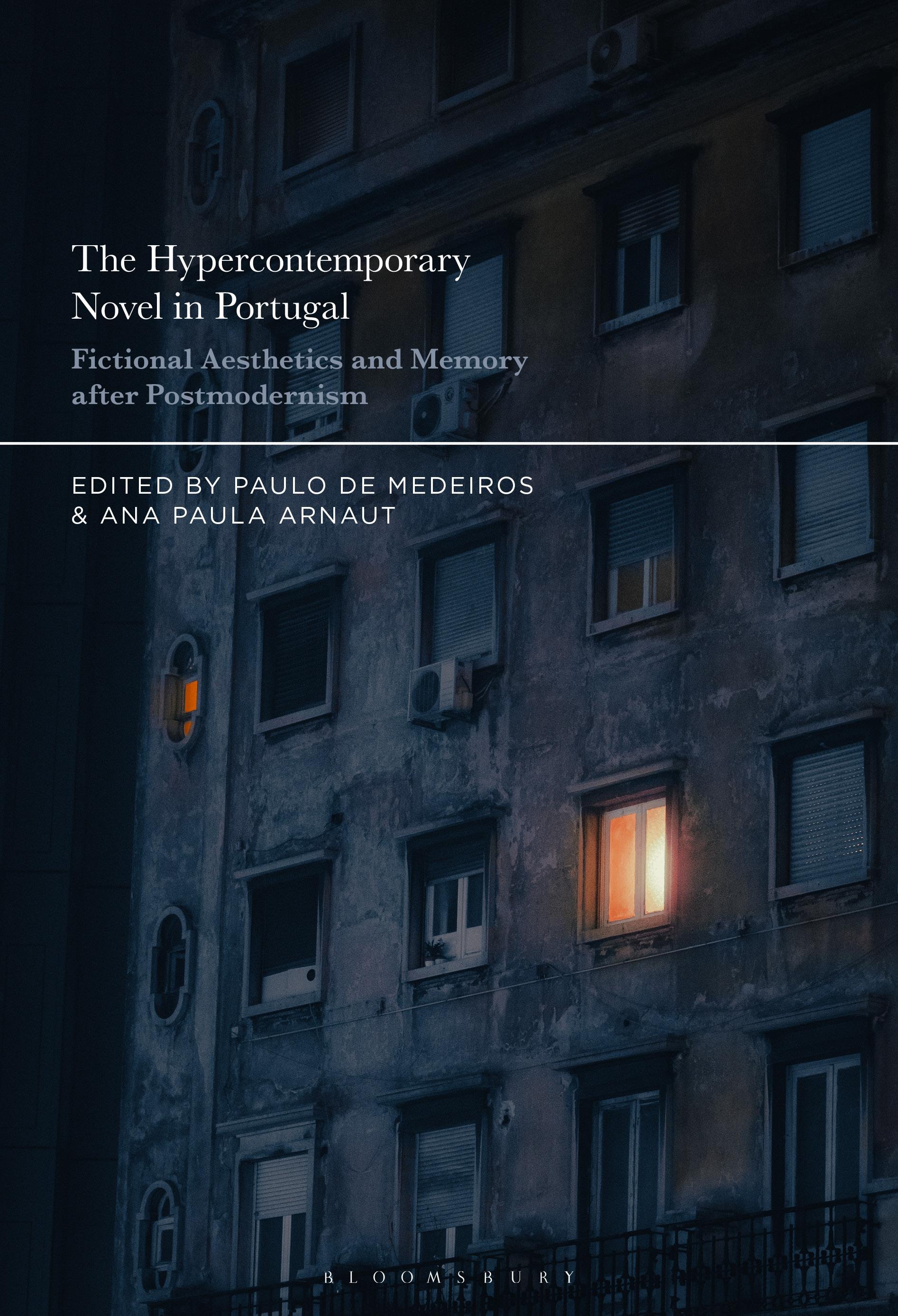
The first volume of critical essays on the contemporary Portuguese novel in English, this book theorizes the concept of the 'hypercontemporary' as a way of reading the novel after its postmodern period.
This inquiry into the notion of the hypercontemporary in its literary and cultural articulations analyzes a varied group of works representative of the most vibrant novels published in Portugal since 2000. The editors' introductory chapter theorizes the concept of the hypercontemporary as one way of looking at the novel after its postmodern period – especially in its relation to questions of violence, memory and performativity.
These essays show how the Portuguese novel has evolved in the past 25 years, and how, in their diversity, most of these novels exhibit several common traits, including new topics and writing strategies – sometimes developing further entropic lines characteristic of many Postmodern narratives – and themes of violence, rapid transformation, and the many threats to a contemporary world that seems mass-produced due to greater technological advances. Readings also discuss the use of innovative graphic forms available from current print technologies and global networks.
The Hypercontemporary Novel in Portugal provides a necessary understanding of the current literary landscape of Portugal and, in the process, the aesthetics of hyperrealism or post-postmodernism.
This inquiry into the notion of the hypercontemporary in its literary and cultural articulations analyzes a varied group of works representative of the most vibrant novels published in Portugal since 2000. The editors' introductory chapter theorizes the concept of the hypercontemporary as one way of looking at the novel after its postmodern period – especially in its relation to questions of violence, memory and performativity.
These essays show how the Portuguese novel has evolved in the past 25 years, and how, in their diversity, most of these novels exhibit several common traits, including new topics and writing strategies – sometimes developing further entropic lines characteristic of many Postmodern narratives – and themes of violence, rapid transformation, and the many threats to a contemporary world that seems mass-produced due to greater technological advances. Readings also discuss the use of innovative graphic forms available from current print technologies and global networks.
The Hypercontemporary Novel in Portugal provides a necessary understanding of the current literary landscape of Portugal and, in the process, the aesthetics of hyperrealism or post-postmodernism.
Paga fácilmente con tarjeta, Klarna, Apple Pay o Google Pay. ¿No estás contento? Siempre tienes 14 días de garantía de devolución. Lee más en nuestros términos. Si tienes preguntas, escríbenos a hello@memmo.org.
Memmo hace que estudiar sea más fácil, estés donde estés. Aquí tienes tus libros de texto y herramientas de estudio inteligentes en un solo lugar: resúmenes, quizzes, podcasts y flashcards. Y también a Ted, tu compañero de estudio que responde a todo lo que te preguntes. Más de 50 000 estudiantes ya estudian aquí. Está hecho para que aprendas más rápido y te estreses menos.