
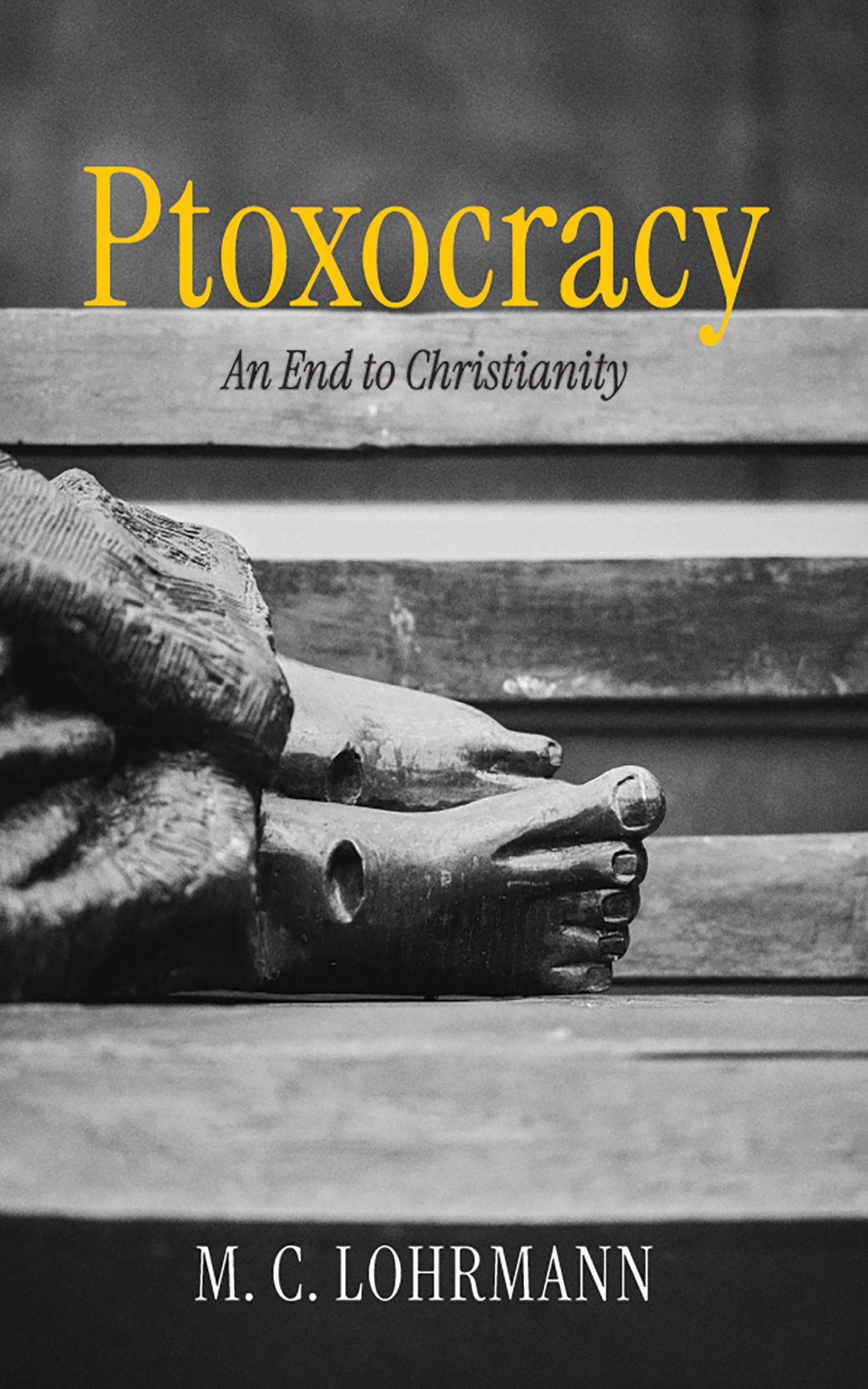
"The call of the church is ptoxocracy, either as a witness and practitioner or as its ideal standard-bearer in the world."
To have a meaningful stake in the lives of the poor, argues M. C. Lohrmann, would change the ways in which governance of all types--national or local municipalities, denominations, religious judicatories, and non-profit boards--determines its focus.
Lohrmann defines ptoxocracy (derived from the Greek ptoxoi, the poorest of the poor) as "governance by the materially poor; a hybrid form of representative democracy whereby only persons of the lowest economic status are eligible for elected public office." This model, he contends, allows us to step back from the coupling of wealth and power created by myths of meritocracy and a rich ruling class to envision a system that works for the good of the whole.
Looking to Scripture, Lohrmann follows the through-line of God's blessing of the poor in both the Hebrew and Christian canons. How might the kingdom of God appear if God's preferential option for the poor became the lens through which we organized our lives together?
Paga fácilmente con tarjeta, Klarna, Apple Pay o Google Pay. ¿No estás contento? Siempre tienes 14 días de garantía de devolución. Lee más en nuestros términos. Si tienes preguntas, escríbenos a hello@memmo.org.
Memmo hace que estudiar sea más fácil, estés donde estés. Aquí tienes tus libros de texto y herramientas de estudio inteligentes en un solo lugar: resúmenes, quizzes, podcasts y flashcards. Y también a Ted, tu compañero de estudio que responde a todo lo que te preguntes. Más de 50 000 estudiantes ya estudian aquí. Está hecho para que aprendas más rápido y te estreses menos.
También te podría gustar
Comprar el libro0