
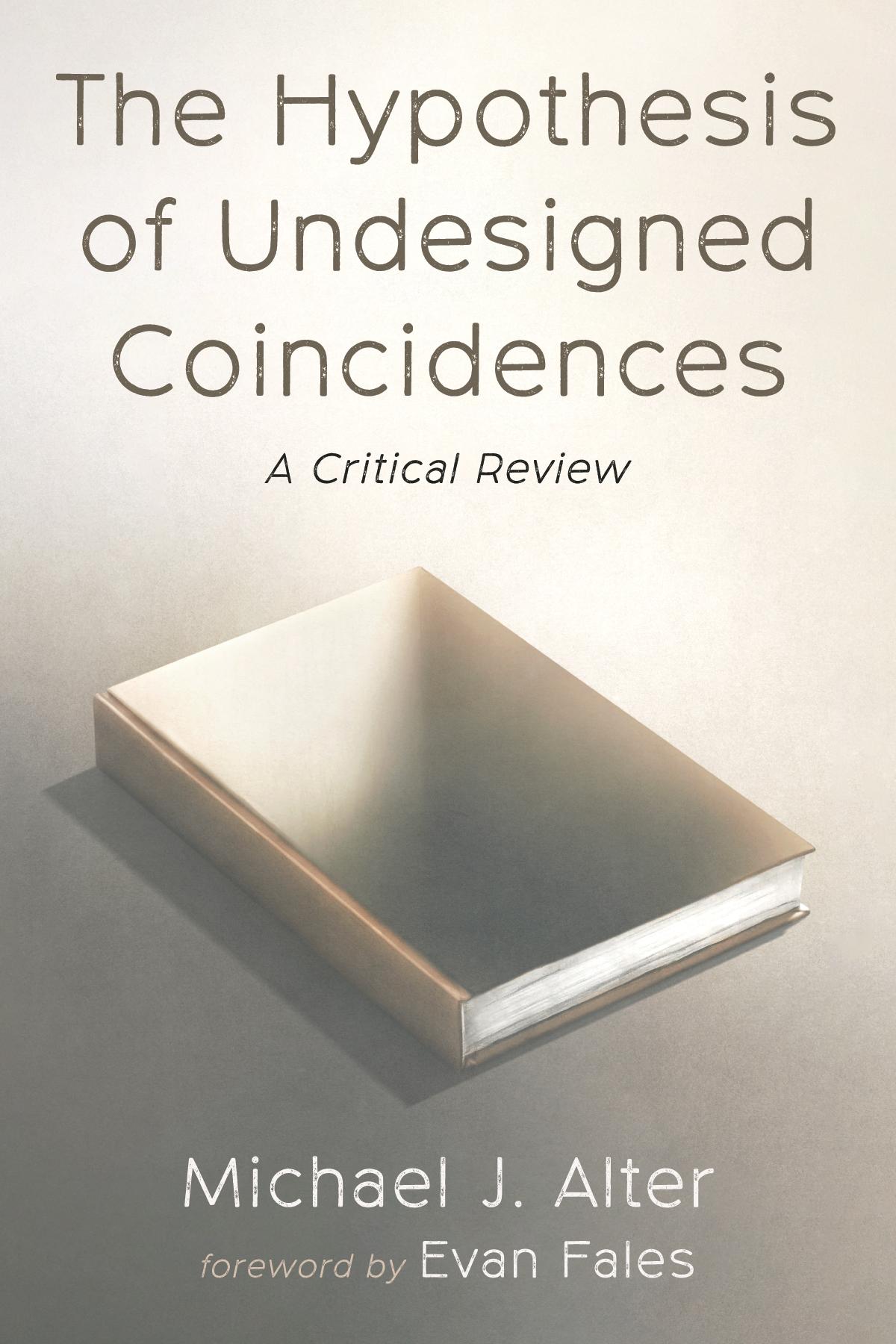
The hypothesis of Undesigned Coincidences was first proposed by William Paley (1743-1805) and later popularized by J. J. Blunt (1794-1855). More recently, Lydia and Timothy McGrew have revived this hypothesis. McGrew defines an undesigned coincidence as "a significant connection between two or more accounts or texts that does not appear to have been planned by the individuals providing the accounts. Despite their apparent independence, the elements fit together like pieces of a puzzle." Advocates use undesigned coincidences to argue that the Gospels are a compilation of independent and reliable sources. However, these advocates do not engage with biblical criticism and overlook relevant research on coincidences and casualness. The feeding of the five thousand is a prominent example discussed by proponents, who point to details such as the green grass, the location of Bethsaida, and the question posed by Jesus to Philip. These episodes are thoroughly reviewed and analyzed in The Hypothesis of Undesigned Coincidences.
Paga fácilmente con tarjeta, Klarna, Apple Pay o Google Pay. ¿No estás contento? Siempre tienes 14 días de garantía de devolución. Lee más en nuestros términos. Si tienes preguntas, escríbenos a hello@memmo.org.
Memmo hace que estudiar sea más fácil, estés donde estés. Aquí tienes tus libros de texto y herramientas de estudio inteligentes en un solo lugar: resúmenes, quizzes, podcasts y flashcards. Y también a Ted, tu compañero de estudio que responde a todo lo que te preguntes. Más de 50 000 estudiantes ya estudian aquí. Está hecho para que aprendas más rápido y te estreses menos.
También te podría gustar
Comprar el libro0