
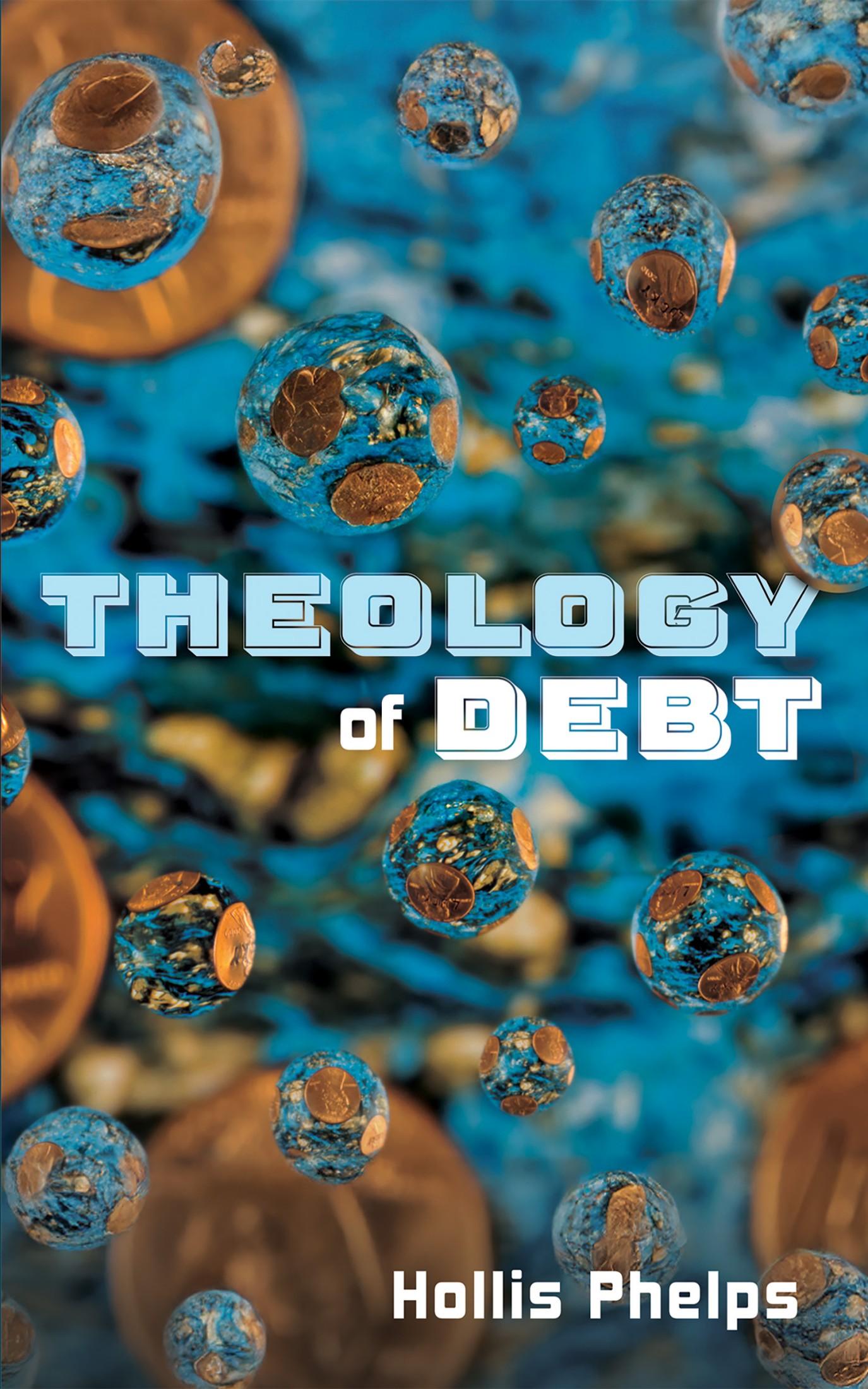
This book focuses on the various ways in which debt functions at theological and moral levels to create subjects, with chapters on the biblical jubilee tradition and usury, the gospels, Saint Paul, atonement theories in the early church, Anselm's satisfaction theory of atonement, and contemporary discussions of debt as a subjective mechanism. Phelps shows that debt and atonement as theological concepts are bound together, so to undermine debt as a subjective mechanism we need to undermine atonement theory as well, by desacralizing the latter. The goal of this book is to disrupt the sovereignty of debt over the creation and maintenance of subjectivity, so that we can think otherwise than and outside of the creditor-debtor relationship, both morally and theologically but also economically. Ultimately, the analysis presented over seven chapters incites us to rethink community and what form social life should take.
Paga fácilmente con tarjeta, Klarna, Apple Pay o Google Pay. ¿No estás contento? Siempre tienes 14 días de garantía de devolución. Lee más en nuestros términos. Si tienes preguntas, escríbenos a hello@memmo.org.
Memmo hace que estudiar sea más fácil, estés donde estés. Aquí tienes tus libros de texto y herramientas de estudio inteligentes en un solo lugar: resúmenes, quizzes, podcasts y flashcards. Y también a Ted, tu compañero de estudio que responde a todo lo que te preguntes. Más de 50 000 estudiantes ya estudian aquí. Está hecho para que aprendas más rápido y te estreses menos.
También te podría gustar
Comprar el libro0