
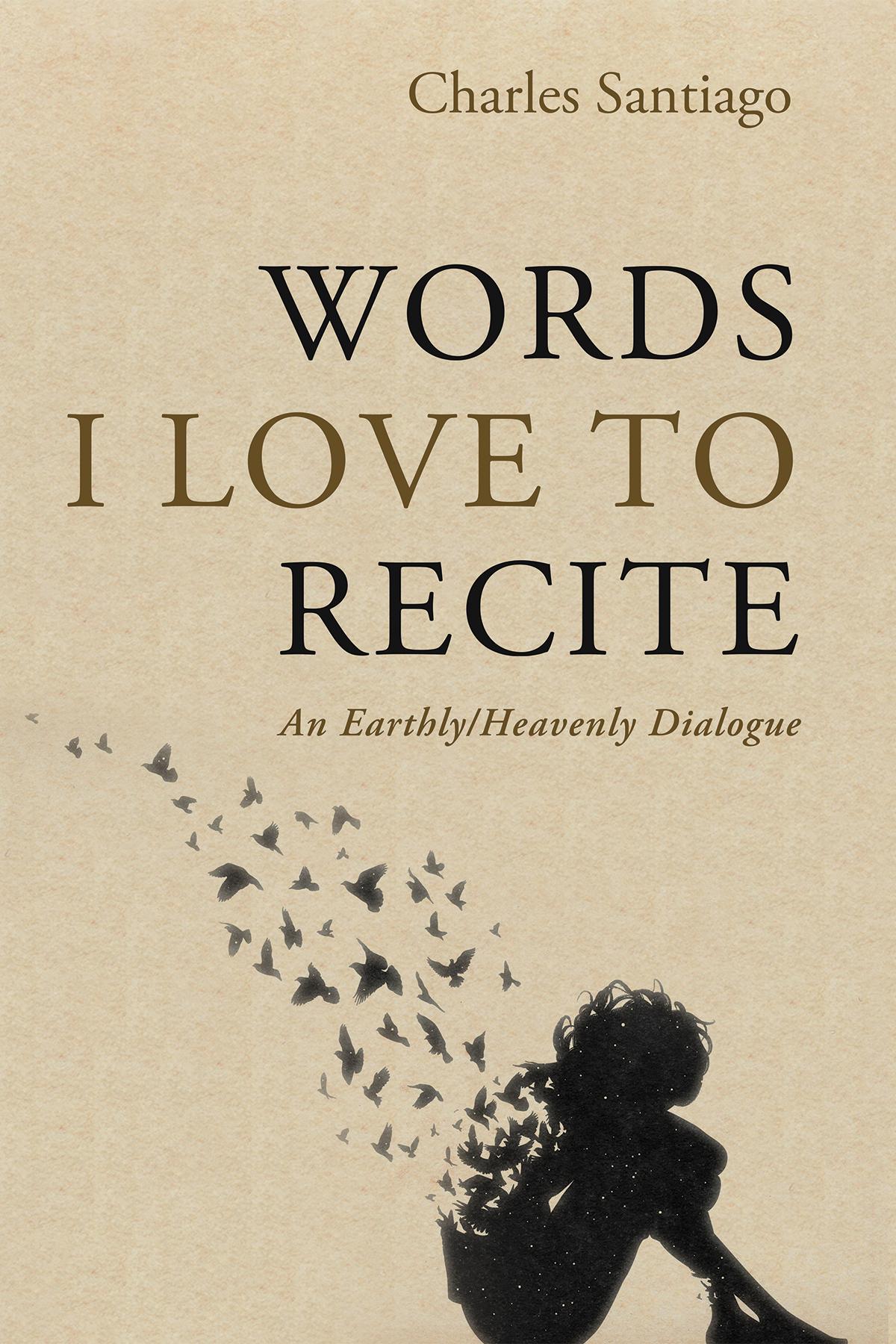
The experience of the afterlife is, normally, considered to take place after death. Death is seen as a wall of partition between those living and those departed. "Dead and gone" are words often used to describe the departed. The writer of these poems was at his wife's bedside when she took her last breath. Anyone observing the horror and desperation the author expressed at that moment would have concluded that he truly believed his wife was dead and gone. In fact, he did believe she was dead and gone. A grief counselor suggested to the new widower that he keep a journal of his experience. He started keeping a journal which, from the start, was a dialogue between him and his "departed" wife. The prose dialogue soon became peppered with poems. The widower began to notice that there were, sometimes, correlations between what was written in the poems and his daily experience. The poems and his daily experience became for the new widower proof enough that the afterlife can be experienced this side of the grave.
Paga fácilmente con tarjeta, Klarna, Apple Pay o Google Pay. ¿No estás contento? Siempre tienes 14 días de garantía de devolución. Lee más en nuestros términos. Si tienes preguntas, escríbenos a hello@memmo.org.
Memmo hace que estudiar sea más fácil, estés donde estés. Aquí tienes tus libros de texto y herramientas de estudio inteligentes en un solo lugar: resúmenes, quizzes, podcasts y flashcards. Y también a Ted, tu compañero de estudio que responde a todo lo que te preguntes. Más de 50 000 estudiantes ya estudian aquí. Está hecho para que aprendas más rápido y te estreses menos.
También te podría gustar
Comprar el libro0