
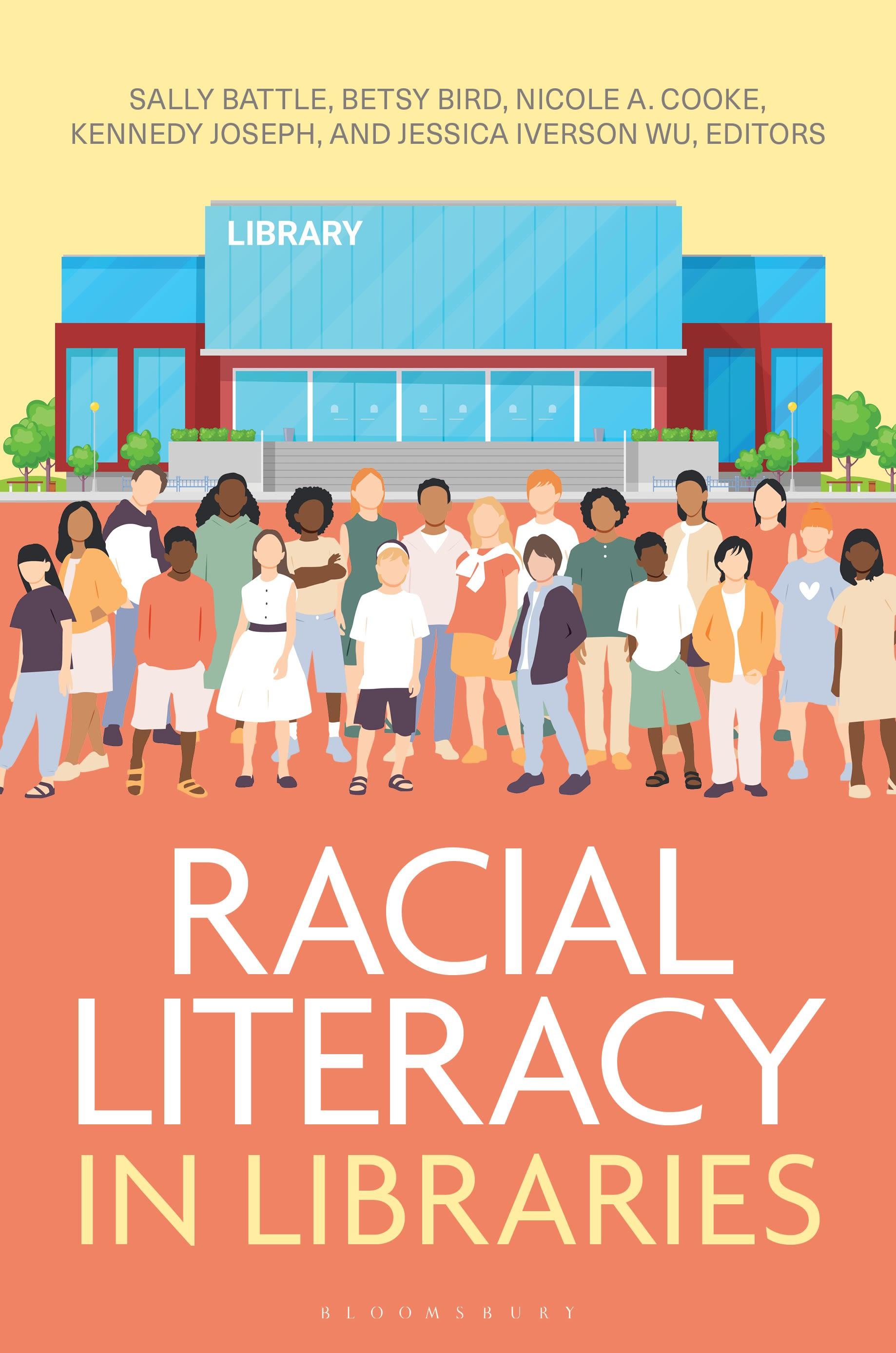
Learn how libraries can develop and use collections, space, resources, and programs to expand racial literacy in their communities.
Libraries are no longer simply providers of basic literacy – they're evolving to meet community needs for an expanding list of literacies: digital, health, information, financial. Racial Literacy in Libraries argues persuasively that libraries need to add racial literacy to that list. Its authors and contributors teach you how to understand and communicate about race and racism.
Since readers are likely to begin with different backgrounds on race, Part One offers a primer written by experts on the science and history of skin color, the invention of race and racism in the United States, and the development of racial identity. Part Two helps librarians bridge the gap between theory and practice. Chapters discuss the important concepts of representation, equity, and access and offer practical examples of how to apply them in libraries, including through collection development. Part Three offers real-life examples of libraries across the country who are bringing racial literacy to their communities through collections, curated resources, and programs. A companion website offers tools you can use right away, whenever you're ready to put your racial literacy learning into practice.
All librarians who want to bring a more bias-free worldview to library work will benefit from this guide to racial literacy.
Libraries are no longer simply providers of basic literacy – they're evolving to meet community needs for an expanding list of literacies: digital, health, information, financial. Racial Literacy in Libraries argues persuasively that libraries need to add racial literacy to that list. Its authors and contributors teach you how to understand and communicate about race and racism.
Since readers are likely to begin with different backgrounds on race, Part One offers a primer written by experts on the science and history of skin color, the invention of race and racism in the United States, and the development of racial identity. Part Two helps librarians bridge the gap between theory and practice. Chapters discuss the important concepts of representation, equity, and access and offer practical examples of how to apply them in libraries, including through collection development. Part Three offers real-life examples of libraries across the country who are bringing racial literacy to their communities through collections, curated resources, and programs. A companion website offers tools you can use right away, whenever you're ready to put your racial literacy learning into practice.
All librarians who want to bring a more bias-free worldview to library work will benefit from this guide to racial literacy.
Paga fácilmente con tarjeta, Klarna, Apple Pay o Google Pay. ¿No estás contento? Siempre tienes 14 días de garantía de devolución. Lee más en nuestros términos. Si tienes preguntas, escríbenos a hello@memmo.org.
Memmo hace que estudiar sea más fácil, estés donde estés. Aquí tienes tus libros de texto y herramientas de estudio inteligentes en un solo lugar: resúmenes, quizzes, podcasts y flashcards. Y también a Ted, tu compañero de estudio que responde a todo lo que te preguntes. Más de 50 000 estudiantes ya estudian aquí. Está hecho para que aprendas más rápido y te estreses menos.