
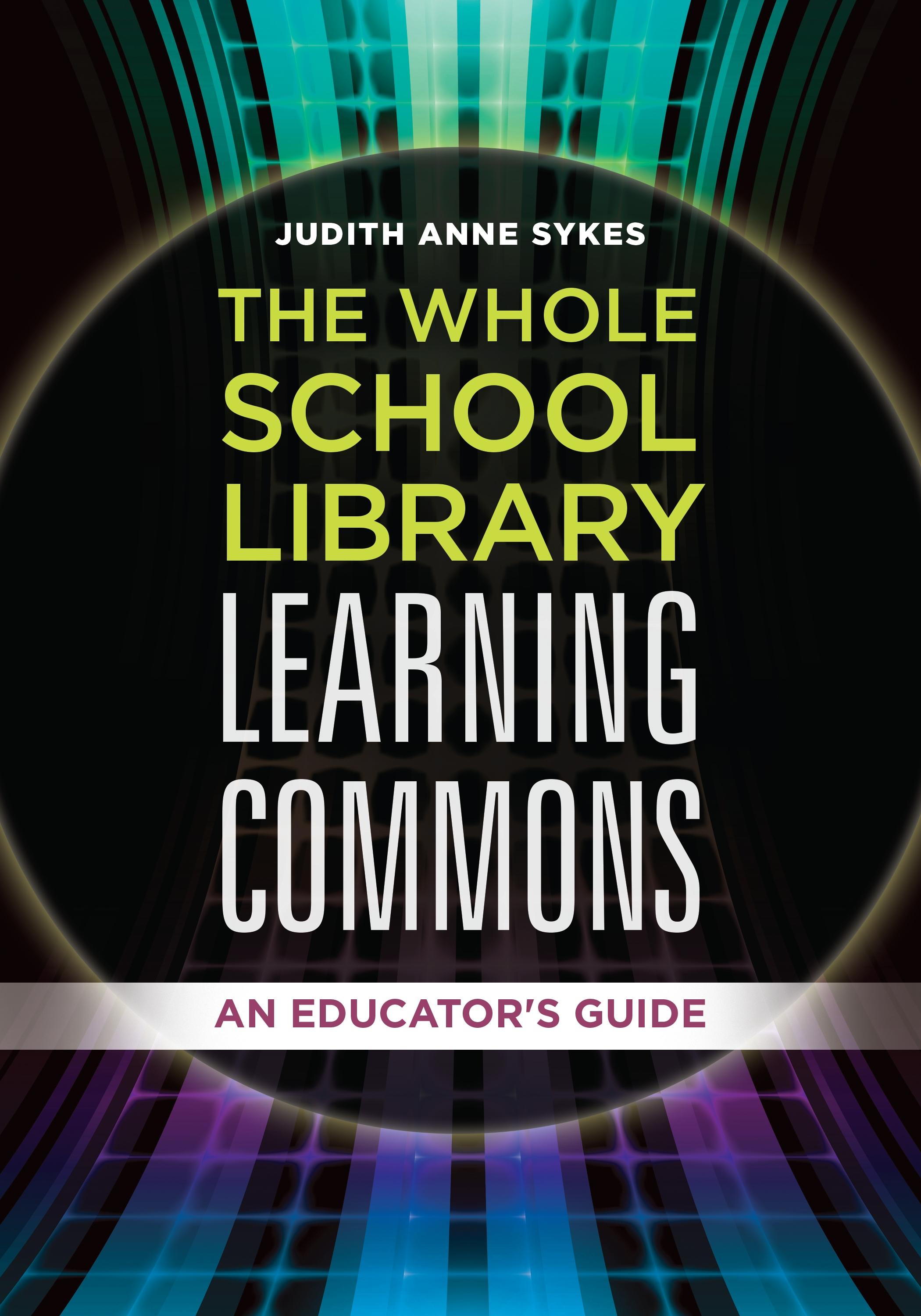
Introduce your teachers, librarians, and administrators to the roles and responsibilities of educators in advocating a whole school library learning commons using this step-by-step guide for creating shared learning space in your school.
It is no surprise that technology has shifted the way we educate—bearing on how, what, and where we learn. This guide lays the framework for helping turn your school library into a whole school library learning commons (WSLLC)—a space where traditional academics merge with the latest technologies to engage learners in a way never before realized.
Author Judith Anne Sykes contends that since the WSLLC philosophy allows staff and students to co-create knowledge in a shared space, it is more effective than the traditional approach. Sykes addresses the differences between a school library and a WSLLC, provides reasons to champion its creation in your institution, and discusses how to use mentoring as a means to sustain its survival. The book explores the roles and responsibilities of educators in developing WSLLC goals and presents strategies for using typical assessment tools—including standardized tests, report cards, and anecdotal assessments—to help support its philosophy.
It is no surprise that technology has shifted the way we educate—bearing on how, what, and where we learn. This guide lays the framework for helping turn your school library into a whole school library learning commons (WSLLC)—a space where traditional academics merge with the latest technologies to engage learners in a way never before realized.
Author Judith Anne Sykes contends that since the WSLLC philosophy allows staff and students to co-create knowledge in a shared space, it is more effective than the traditional approach. Sykes addresses the differences between a school library and a WSLLC, provides reasons to champion its creation in your institution, and discusses how to use mentoring as a means to sustain its survival. The book explores the roles and responsibilities of educators in developing WSLLC goals and presents strategies for using typical assessment tools—including standardized tests, report cards, and anecdotal assessments—to help support its philosophy.
Paga fácilmente con tarjeta, Klarna, Apple Pay o Google Pay. ¿No estás contento? Siempre tienes 14 días de garantía de devolución. Lee más en nuestros términos. Si tienes preguntas, escríbenos a hello@memmo.org.
Memmo hace que estudiar sea más fácil, estés donde estés. Aquí tienes tus libros de texto y herramientas de estudio inteligentes en un solo lugar: resúmenes, quizzes, podcasts y flashcards. Y también a Ted, tu compañero de estudio que responde a todo lo que te preguntes. Más de 50 000 estudiantes ya estudian aquí. Está hecho para que aprendas más rápido y te estreses menos.