
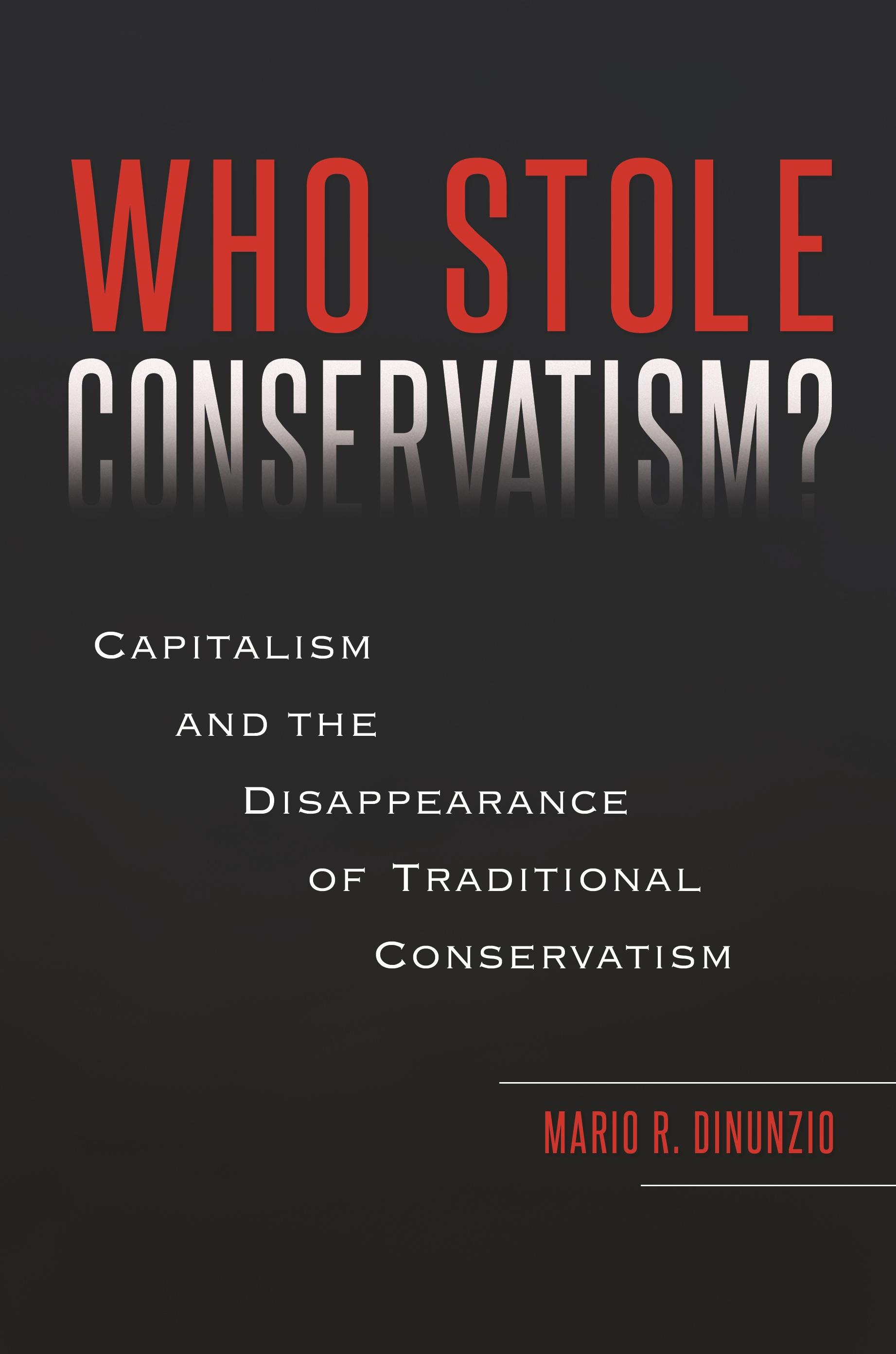
A compelling explanation of how conservatism is no longer what its founders intended and how it has been transformed into a tool of materialist economics and emptied of much of its original meaning.
During America's 19th-century Gilded Age, free-enterprise capitalist ideas distorted and deeply obscured traditional political conservatism. Conservatism today, argues distinguished historian Mario R. DiNunzio, is a grotesque version of the ideology crafted by its founders, including John Adams in America and Edmund Burke in England.
This compelling book provides a survey of conservative thought and its transformation that originated in the late 19th century, exposing the influence of that transformed conservatism on 20th-century American politics—from Hoover to Goldwater to Reagan and on to the Tea Party. It explains the historical foundations of conservative thought and the radical transformation of conservatism into a vastly different ideology primarily concerned with the defense of unfettered capitalism and extreme rights of individuals, as opposed to the values of traditional conservatism: community, good order, tempered change, and enduring values. DiNunzio challenges conservatives and scholars of conservatism to confront the differences between what passes for conservatism in modern-day American politics and the tenets of the original conservative tradition.
During America's 19th-century Gilded Age, free-enterprise capitalist ideas distorted and deeply obscured traditional political conservatism. Conservatism today, argues distinguished historian Mario R. DiNunzio, is a grotesque version of the ideology crafted by its founders, including John Adams in America and Edmund Burke in England.
This compelling book provides a survey of conservative thought and its transformation that originated in the late 19th century, exposing the influence of that transformed conservatism on 20th-century American politics—from Hoover to Goldwater to Reagan and on to the Tea Party. It explains the historical foundations of conservative thought and the radical transformation of conservatism into a vastly different ideology primarily concerned with the defense of unfettered capitalism and extreme rights of individuals, as opposed to the values of traditional conservatism: community, good order, tempered change, and enduring values. DiNunzio challenges conservatives and scholars of conservatism to confront the differences between what passes for conservatism in modern-day American politics and the tenets of the original conservative tradition.
Paga fácilmente con tarjeta, Klarna, Apple Pay o Google Pay. ¿No estás contento? Siempre tienes 14 días de garantía de devolución. Lee más en nuestros términos. Si tienes preguntas, escríbenos a hello@memmo.org.
Memmo hace que estudiar sea más fácil, estés donde estés. Aquí tienes tus libros de texto y herramientas de estudio inteligentes en un solo lugar: resúmenes, quizzes, podcasts y flashcards. Y también a Ted, tu compañero de estudio que responde a todo lo que te preguntes. Más de 50 000 estudiantes ya estudian aquí. Está hecho para que aprendas más rápido y te estreses menos.