
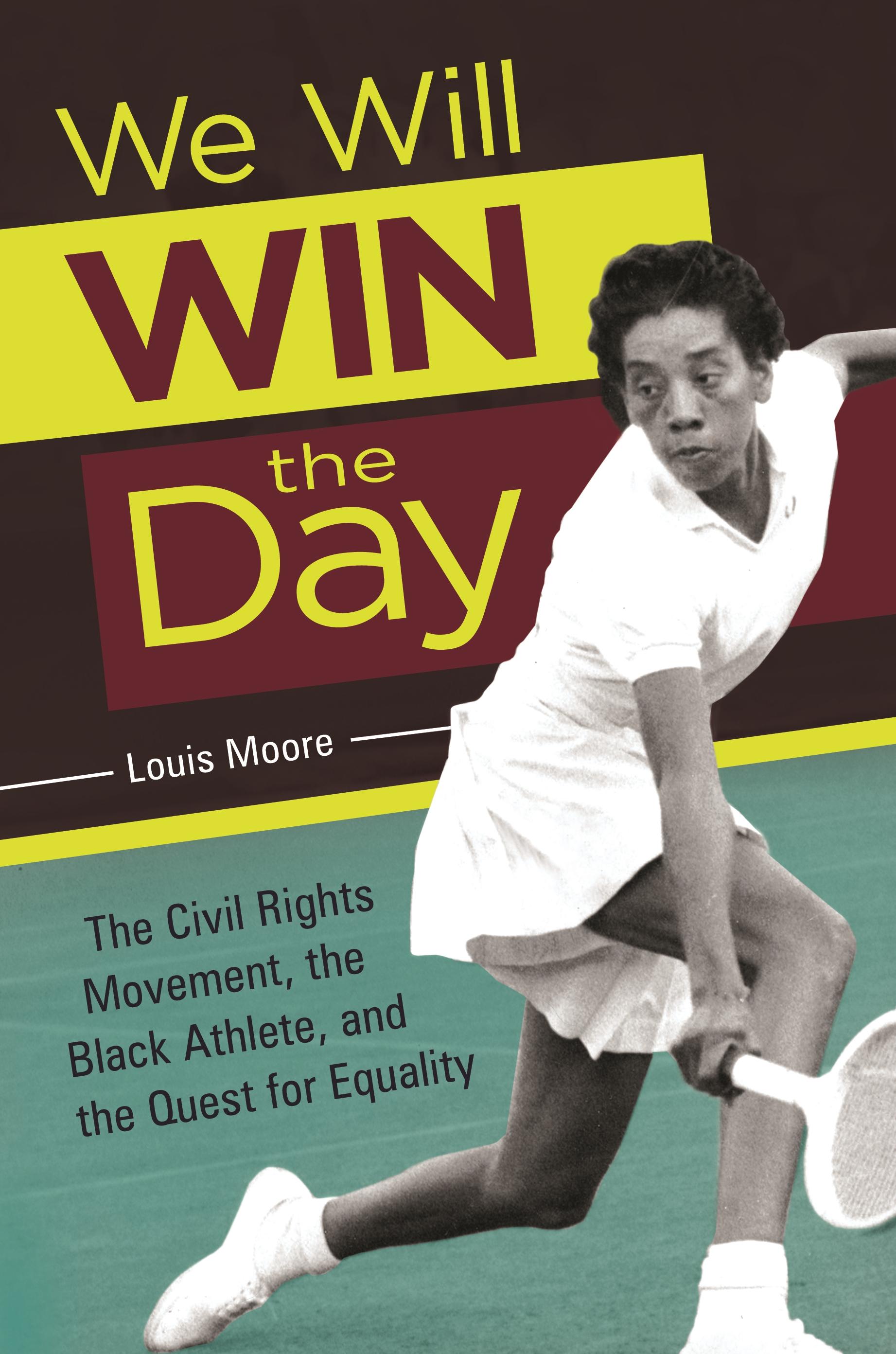
This exceedingly timely book looks at the history of black activist athletes and the important role of the black community in making sure fair play existed, not only in sports, but across U.S. society.
Most books that focus on ties between sports, black athletes, and the Civil Rights Movement focus on specific issues or people. They discuss, for example, how baseball was integrated or tell the stories of individuals like Jackie Robinson or Muhammad Ali. This book approaches the topic differently. By examining the connection between sports, black athletes and the Civil Rights Movement overall, it puts the athletes and their stories into the proper context. Rather than romanticizing the stories and the men and women who lived them, it uses the roles these individuals played—or chose not to play—to illuminate the complexities and nuances in the relationship between black athletes and the fight for racial equality.
Arranged thematically, the book starts with Jackie Robinson's entry into baseball when he signed with the Dodgers in 1945 and ends with the revolt of black athletes in the late 1960s, symbolized by Tommie Smith and John Carlos famously raising their clenched fists during a medal ceremony at the 1968 Olympics. Accounts from the black press and the athletes themselves help illustrate the role black athletes played in the Civil Rights Movement. At the same time, the book also examines how the black public viewed sports and the contributions of black athletes during these tumultuous decades, showing how the black communities' belief in merit and democracy—combined with black athletic success—influenced the push for civil rights.
Most books that focus on ties between sports, black athletes, and the Civil Rights Movement focus on specific issues or people. They discuss, for example, how baseball was integrated or tell the stories of individuals like Jackie Robinson or Muhammad Ali. This book approaches the topic differently. By examining the connection between sports, black athletes and the Civil Rights Movement overall, it puts the athletes and their stories into the proper context. Rather than romanticizing the stories and the men and women who lived them, it uses the roles these individuals played—or chose not to play—to illuminate the complexities and nuances in the relationship between black athletes and the fight for racial equality.
Arranged thematically, the book starts with Jackie Robinson's entry into baseball when he signed with the Dodgers in 1945 and ends with the revolt of black athletes in the late 1960s, symbolized by Tommie Smith and John Carlos famously raising their clenched fists during a medal ceremony at the 1968 Olympics. Accounts from the black press and the athletes themselves help illustrate the role black athletes played in the Civil Rights Movement. At the same time, the book also examines how the black public viewed sports and the contributions of black athletes during these tumultuous decades, showing how the black communities' belief in merit and democracy—combined with black athletic success—influenced the push for civil rights.
Paga fácilmente con tarjeta, Klarna, Apple Pay o Google Pay. ¿No estás contento? Siempre tienes 14 días de garantía de devolución. Lee más en nuestros términos. Si tienes preguntas, escríbenos a hello@memmo.org.
Memmo hace que estudiar sea más fácil, estés donde estés. Aquí tienes tus libros de texto y herramientas de estudio inteligentes en un solo lugar: resúmenes, quizzes, podcasts y flashcards. Y también a Ted, tu compañero de estudio que responde a todo lo que te preguntes. Más de 50 000 estudiantes ya estudian aquí. Está hecho para que aprendas más rápido y te estreses menos.