
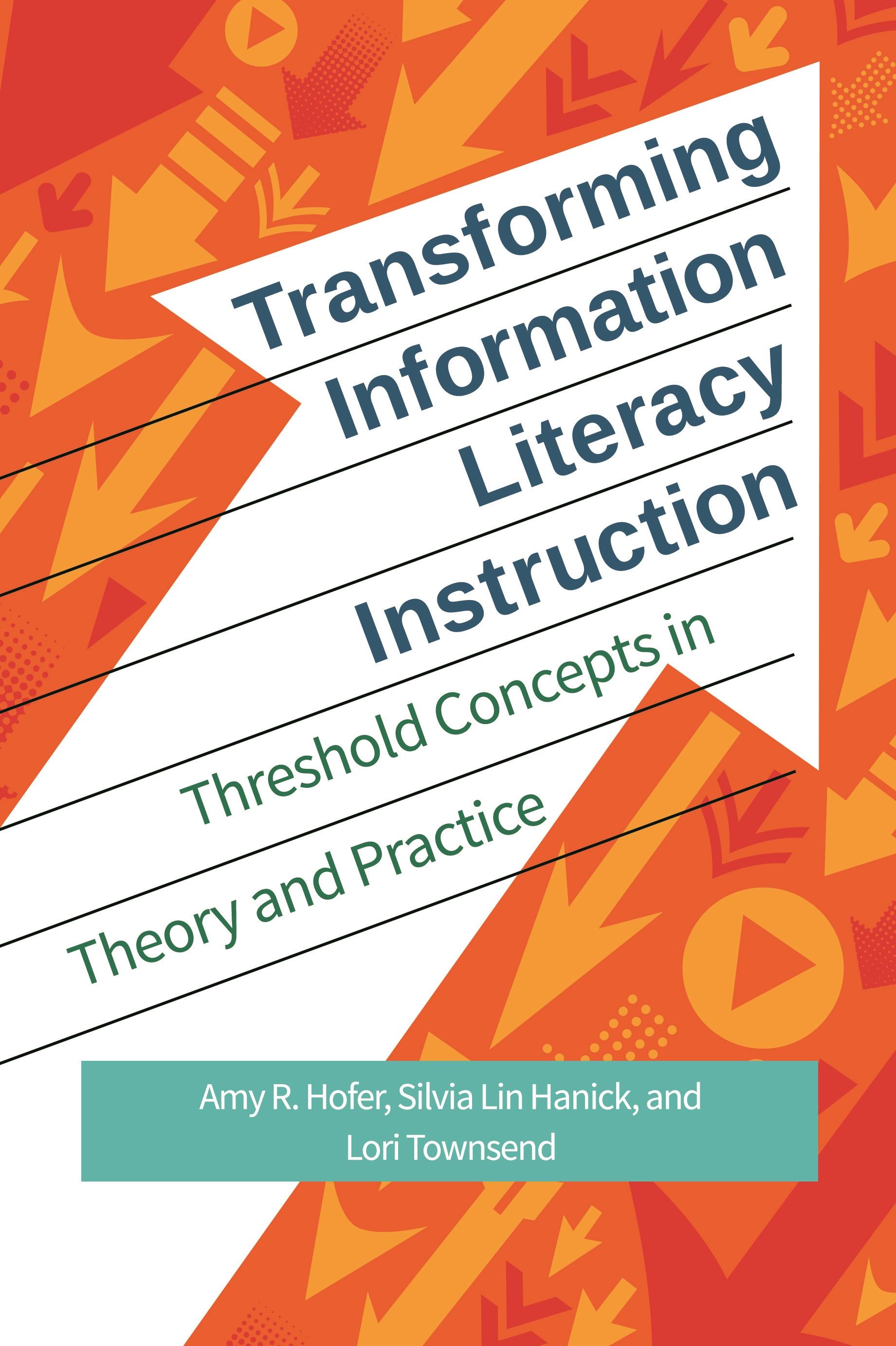
Provides information literacy practitioners with a thorough exploration of how threshold concepts can be applied to information literacy, identifying important elements and connections between each concept, and relating theory to practical methods that can transform how librarians teach.
A model that emerged from the Enhancing Teaching-Learning Environments project in Great Britain, threshold concepts are those transformative core ideas and processes in a given discipline that define the ways of thinking and practicing shared by experts. Once a learner grasps a threshold concept, new pathways to understanding and learning are opened up. The authors of this book provide readers with both a substantial introduction to and a working knowledge of this emerging theory and then describe how it can be adapted for local information literacy instruction contexts.
Five threshold concepts are presented and covered in depth within the context of how they relate and connect to each other. The chapters offer an in-depth explanation of the threshold concepts model and identify how it relates to various disciplines (and our own discipline, information science) and to the understandings we want our students to acquire. This text will benefit readers in these primary audiences: academic librarians involved with information literacy efforts at their institutions, faculty teaching in higher education, upper-level college administrators involved in academic accreditation, and high school librarians working with college-bound students.
A model that emerged from the Enhancing Teaching-Learning Environments project in Great Britain, threshold concepts are those transformative core ideas and processes in a given discipline that define the ways of thinking and practicing shared by experts. Once a learner grasps a threshold concept, new pathways to understanding and learning are opened up. The authors of this book provide readers with both a substantial introduction to and a working knowledge of this emerging theory and then describe how it can be adapted for local information literacy instruction contexts.
Five threshold concepts are presented and covered in depth within the context of how they relate and connect to each other. The chapters offer an in-depth explanation of the threshold concepts model and identify how it relates to various disciplines (and our own discipline, information science) and to the understandings we want our students to acquire. This text will benefit readers in these primary audiences: academic librarians involved with information literacy efforts at their institutions, faculty teaching in higher education, upper-level college administrators involved in academic accreditation, and high school librarians working with college-bound students.
Paga fácilmente con tarjeta, Klarna, Apple Pay o Google Pay. ¿No estás contento? Siempre tienes 14 días de garantía de devolución. Lee más en nuestros términos. Si tienes preguntas, escríbenos a hello@memmo.org.
Memmo hace que estudiar sea más fácil, estés donde estés. Aquí tienes tus libros de texto y herramientas de estudio inteligentes en un solo lugar: resúmenes, quizzes, podcasts y flashcards. Y también a Ted, tu compañero de estudio que responde a todo lo que te preguntes. Más de 50 000 estudiantes ya estudian aquí. Está hecho para que aprendas más rápido y te estreses menos.