
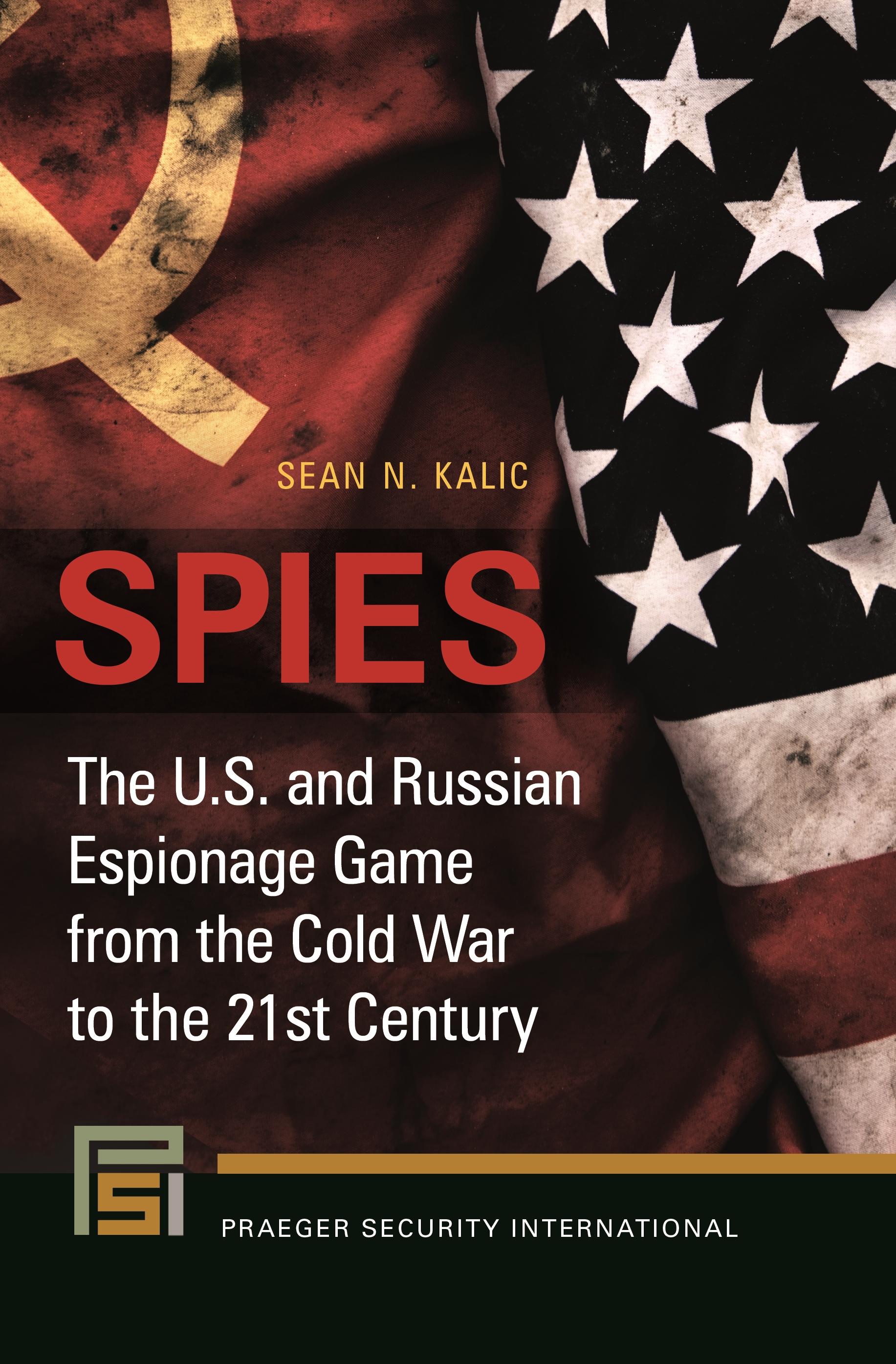
Provides a comprehensive understanding of the evolution of the espionage game in the post-World War II era.
For more than four decades after World War II, the quest for intelligence drove the Soviet Union and the United States to develop a high-stakes "game" of spying on one another throughout the Cold War. Each nation needed to be aware of and prepared to counter the capabilities of their primary nemesis. Therefore, as the Cold War period developed and technology advanced, the mutual goal to maintain up-to-date intelligence mandated that the process by which the "game" was played encompass an ever-wider range of intelligence gathering means. Covering far more than the United States and Soviet Union's use of human spies, this book examines the advanced technological means by which the two nations' intelligence agencies worked to ensure that they had an accurate understanding of the enemy.
The easily accessible narrative covers the Cold War period from 1945 to 1989 as well as the post-Cold War era, enabling readers to gain an understanding of how the spies and elaborate espionage operations fit within the greater context of the national security concerns of the United States and the Soviet Union. Well-known Cold War historian Sean N. Kalic explains the ideological tenets that fueled the distrust and "the need to know" between the two adversarial countries, supplies a complete history of the technological means used to collect intelligence throughout the Cold War and into the more recent post-Cold War years, and documents how a mutual desire to have the upper hand resulted in both sides employing diverse and creative espionage methods.
For more than four decades after World War II, the quest for intelligence drove the Soviet Union and the United States to develop a high-stakes "game" of spying on one another throughout the Cold War. Each nation needed to be aware of and prepared to counter the capabilities of their primary nemesis. Therefore, as the Cold War period developed and technology advanced, the mutual goal to maintain up-to-date intelligence mandated that the process by which the "game" was played encompass an ever-wider range of intelligence gathering means. Covering far more than the United States and Soviet Union's use of human spies, this book examines the advanced technological means by which the two nations' intelligence agencies worked to ensure that they had an accurate understanding of the enemy.
The easily accessible narrative covers the Cold War period from 1945 to 1989 as well as the post-Cold War era, enabling readers to gain an understanding of how the spies and elaborate espionage operations fit within the greater context of the national security concerns of the United States and the Soviet Union. Well-known Cold War historian Sean N. Kalic explains the ideological tenets that fueled the distrust and "the need to know" between the two adversarial countries, supplies a complete history of the technological means used to collect intelligence throughout the Cold War and into the more recent post-Cold War years, and documents how a mutual desire to have the upper hand resulted in both sides employing diverse and creative espionage methods.
Paga fácilmente con tarjeta, Klarna, Apple Pay o Google Pay. ¿No estás contento? Siempre tienes 14 días de garantía de devolución. Lee más en nuestros términos. Si tienes preguntas, escríbenos a hello@memmo.org.
Memmo hace que estudiar sea más fácil, estés donde estés. Aquí tienes tus libros de texto y herramientas de estudio inteligentes en un solo lugar: resúmenes, quizzes, podcasts y flashcards. Y también a Ted, tu compañero de estudio que responde a todo lo que te preguntes. Más de 50 000 estudiantes ya estudian aquí. Está hecho para que aprendas más rápido y te estreses menos.