
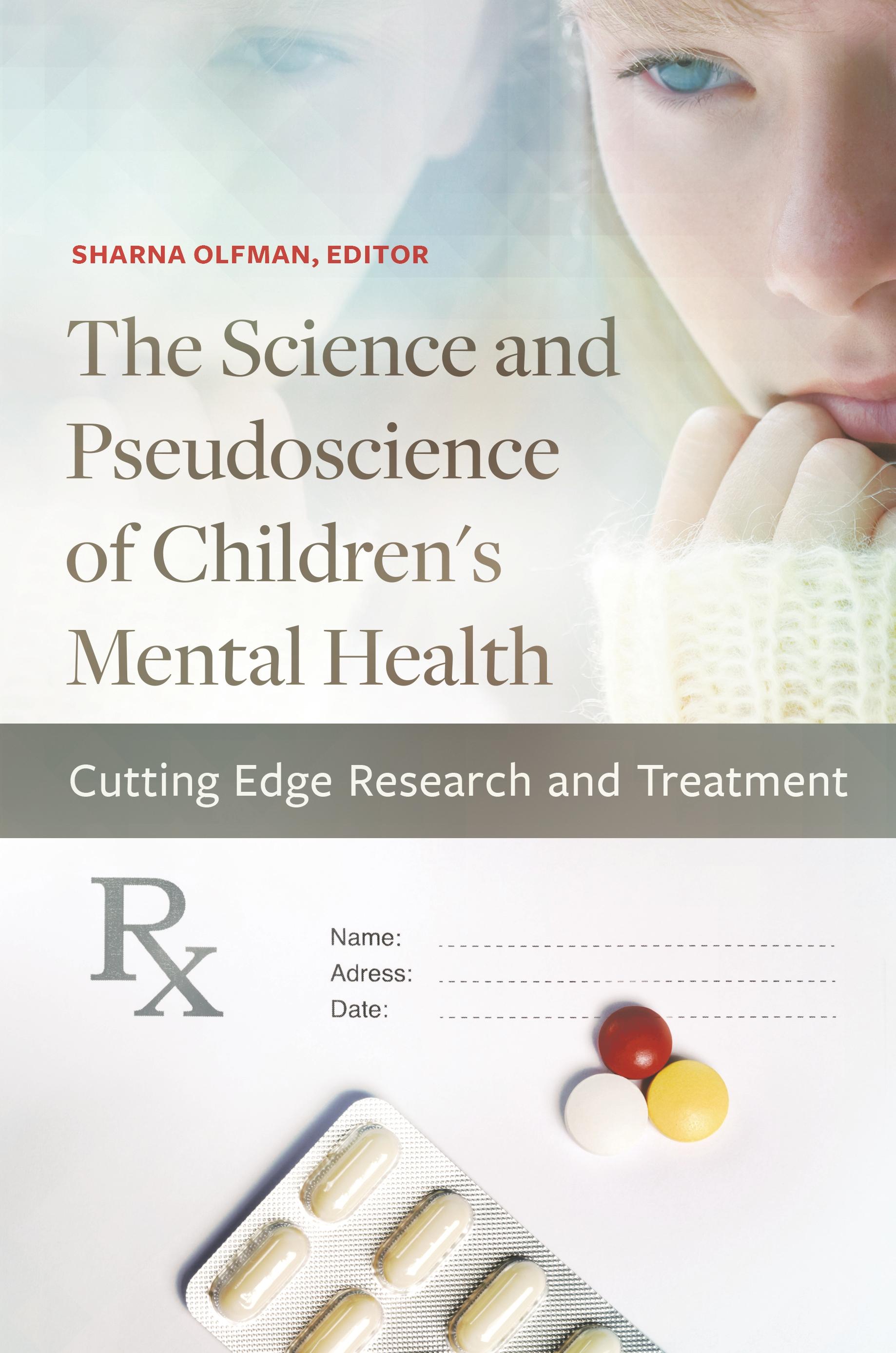
This book explains how studies in brain development and epigenetics—the inextricable interplay of genes and environments—have led to breakthroughs in the understanding of children's psychological disturbances and serve to discredit the scientifically unsupported "chemical imbalance theory" of mental illness.
Intended for mental health practitioners, concerned parents, and child advocates alike, this book presents a powerful new paradigm for understanding the causes of children's psychological disturbances—and as a result, the proper treatment of these symptoms. Based in cutting-edge research on the developing brain and epigenetics, this important volume serves to inform readers about the latest scientific conclusions and clinical practices that need to supplant pervasive and often dangerous drug prescriptions to millions of children.
Sharna Olfman, PhD, and contributors including leading researchers, clinicians, and childhood advocates present their research findings and explain the implications for treatment of a range of symptoms, including autism spectrum disorders, attention deficit hyperactivity disorder (ADHD), concussion syndromes, and mood disorders. The book definitively lays to rest the "chemical imbalance theory" of mental illness, a theory that has been roundly discredited by the scientific community but kept alive by the pharmaceutical industry. Chapters focus on the real science of epigenetics and the sensitivity of the developing brain to environmental influences such as trauma and chemical toxins—legitimate research findings that are largely ignored by mental health practitioners and rarely influence practice.
Intended for mental health practitioners, concerned parents, and child advocates alike, this book presents a powerful new paradigm for understanding the causes of children's psychological disturbances—and as a result, the proper treatment of these symptoms. Based in cutting-edge research on the developing brain and epigenetics, this important volume serves to inform readers about the latest scientific conclusions and clinical practices that need to supplant pervasive and often dangerous drug prescriptions to millions of children.
Sharna Olfman, PhD, and contributors including leading researchers, clinicians, and childhood advocates present their research findings and explain the implications for treatment of a range of symptoms, including autism spectrum disorders, attention deficit hyperactivity disorder (ADHD), concussion syndromes, and mood disorders. The book definitively lays to rest the "chemical imbalance theory" of mental illness, a theory that has been roundly discredited by the scientific community but kept alive by the pharmaceutical industry. Chapters focus on the real science of epigenetics and the sensitivity of the developing brain to environmental influences such as trauma and chemical toxins—legitimate research findings that are largely ignored by mental health practitioners and rarely influence practice.
Paga fácilmente con tarjeta, Klarna, Apple Pay o Google Pay. ¿No estás contento? Siempre tienes 14 días de garantía de devolución. Lee más en nuestros términos. Si tienes preguntas, escríbenos a hello@memmo.org.
Memmo hace que estudiar sea más fácil, estés donde estés. Aquí tienes tus libros de texto y herramientas de estudio inteligentes en un solo lugar: resúmenes, quizzes, podcasts y flashcards. Y también a Ted, tu compañero de estudio que responde a todo lo que te preguntes. Más de 50 000 estudiantes ya estudian aquí. Está hecho para que aprendas más rápido y te estreses menos.