
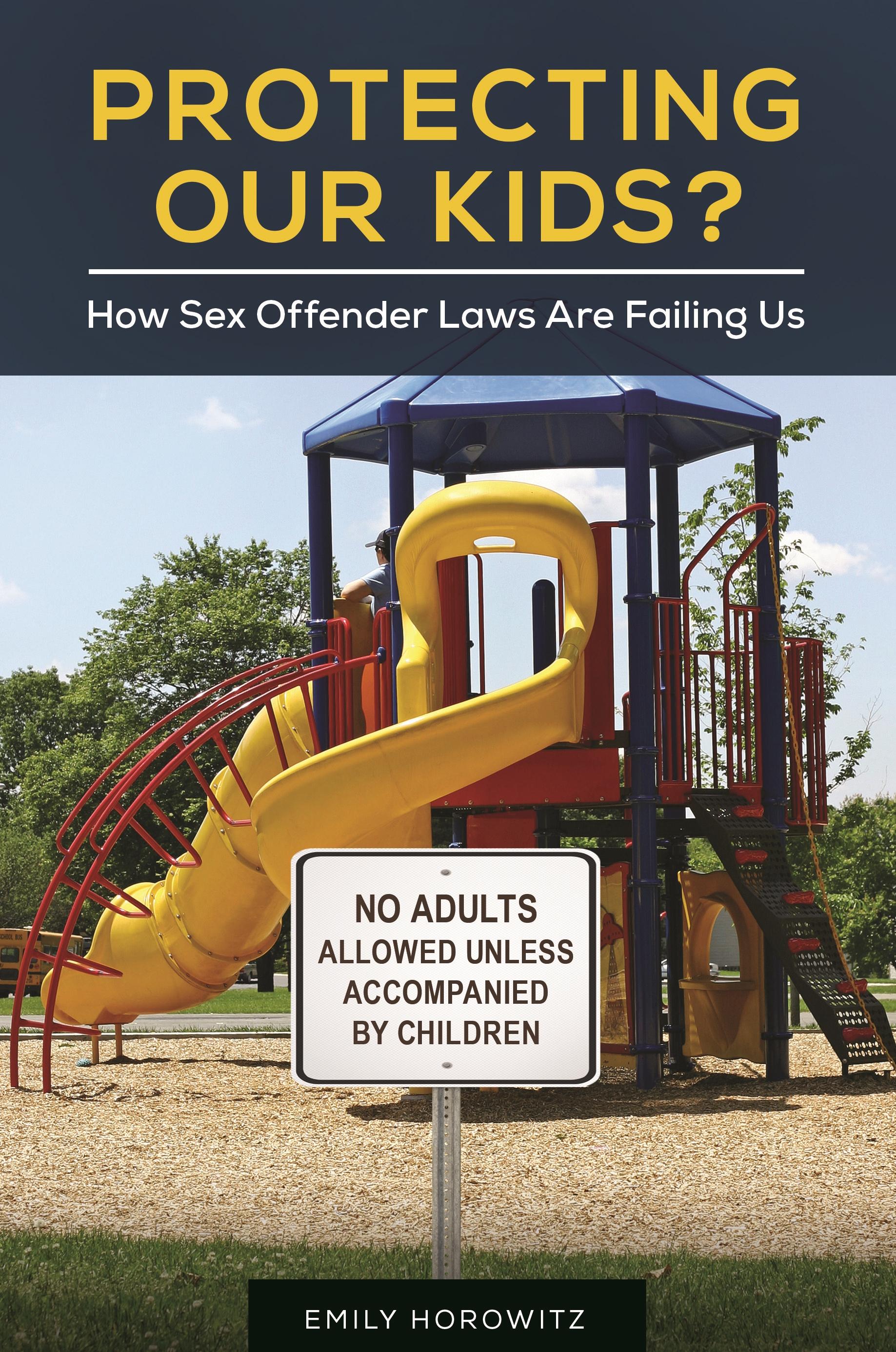
This thought-provoking work raises important questions about sex offender laws, drawing from personal stories, research, and data to prove the policies promote fear, destroy lives, and fail to protect children.
Do sex offender laws protect children, or are they inherently unfair practices that, at their worst, promote vigilante justice? The latter, this book argues. By analyzing the social, political, historical, and cultural context surrounding the emergence of current sex offender policies and laws, the work shows how sex offenders have come to loom as greater-than-life monsters when, in many cases, that is not true at all. Looking at its subject from a fresh viewpoint, the book shares research and new analyses of data and qualitative evidence to show how sex-offender laws are not only ineffective, but engender destructive fear and anxiety.
To help readers understand the impact of these laws, the author presents interviews with sex offenders and their families as they describe the day-to-day reality of living on the sex offender registry. Citing research and statistics, the book challenges the idea that sex offenders must be continually monitored and publicly identified because they are incurably predatory. Most important, the study shows that undue sex offender panic is preventing policymakers from addressing the true threats to children—poverty and growing inequality.
Do sex offender laws protect children, or are they inherently unfair practices that, at their worst, promote vigilante justice? The latter, this book argues. By analyzing the social, political, historical, and cultural context surrounding the emergence of current sex offender policies and laws, the work shows how sex offenders have come to loom as greater-than-life monsters when, in many cases, that is not true at all. Looking at its subject from a fresh viewpoint, the book shares research and new analyses of data and qualitative evidence to show how sex-offender laws are not only ineffective, but engender destructive fear and anxiety.
To help readers understand the impact of these laws, the author presents interviews with sex offenders and their families as they describe the day-to-day reality of living on the sex offender registry. Citing research and statistics, the book challenges the idea that sex offenders must be continually monitored and publicly identified because they are incurably predatory. Most important, the study shows that undue sex offender panic is preventing policymakers from addressing the true threats to children—poverty and growing inequality.
Paga fácilmente con tarjeta, Klarna, Apple Pay o Google Pay. ¿No estás contento? Siempre tienes 14 días de garantía de devolución. Lee más en nuestros términos. Si tienes preguntas, escríbenos a hello@memmo.org.
Memmo hace que estudiar sea más fácil, estés donde estés. Aquí tienes tus libros de texto y herramientas de estudio inteligentes en un solo lugar: resúmenes, quizzes, podcasts y flashcards. Y también a Ted, tu compañero de estudio que responde a todo lo que te preguntes. Más de 50 000 estudiantes ya estudian aquí. Está hecho para que aprendas más rápido y te estreses menos.