
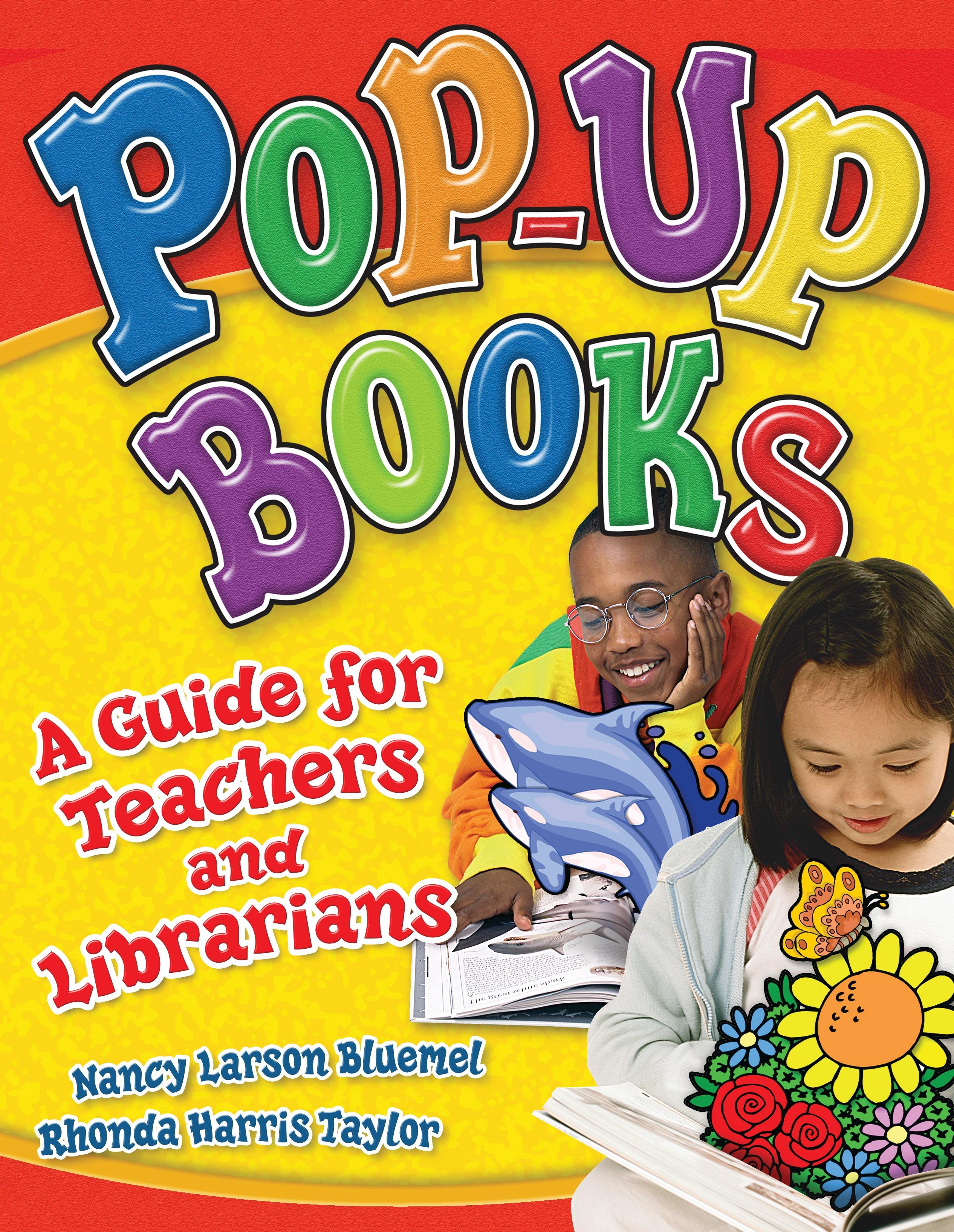
A convincing explanation of why interactive or movable books should be included in the library collection that documents their value as motivational instructional tools—in all areas of the school curriculum, across many grade levels.
Pop-up books possess universal appeal. Everyone from preschoolers to adults loves to see and tactilely experience the beautiful three-dimensional work of Robert Sabuda, David A. Carter, and other pop-up book creators. Sabuda himself was inspired to become a pop-up book artist after experiencing the 1972 classic pop-up The Adventures of Super Pickle. The effect of these movable books on young minds is uniquely powerful. Besides riveting children's attention, pop-up books can also help build motor skills, teach cause and effect, and develop spatial understanding of objects.
Based on their direct experience and many presentations to teachers and librarians, the authors have provided template lesson plans with curriculum and standards links for using the best pop-up books currently available in the instructional program of the school. The book also includes profiles of the most notable authors, a history of the format, definitions of terms such as "flap book" and "paper engineer," and information on how to create movable books. Librarians will find the section regarding collection development with the format—how and where to acquire them, proper storage methods—and the annotated listing of the authors' 50 favorite pop-ups extremely helpful.
Pop-up books possess universal appeal. Everyone from preschoolers to adults loves to see and tactilely experience the beautiful three-dimensional work of Robert Sabuda, David A. Carter, and other pop-up book creators. Sabuda himself was inspired to become a pop-up book artist after experiencing the 1972 classic pop-up The Adventures of Super Pickle. The effect of these movable books on young minds is uniquely powerful. Besides riveting children's attention, pop-up books can also help build motor skills, teach cause and effect, and develop spatial understanding of objects.
Based on their direct experience and many presentations to teachers and librarians, the authors have provided template lesson plans with curriculum and standards links for using the best pop-up books currently available in the instructional program of the school. The book also includes profiles of the most notable authors, a history of the format, definitions of terms such as "flap book" and "paper engineer," and information on how to create movable books. Librarians will find the section regarding collection development with the format—how and where to acquire them, proper storage methods—and the annotated listing of the authors' 50 favorite pop-ups extremely helpful.
Páginas: 340
Categoría: Konst, Design & Fotografi
e-ISBN: 9798216130420
Peso de envío: 1.2 kg
Envío en: 1-2 días
Paga fácilmente con tarjeta, Klarna, Apple Pay o Google Pay. ¿No estás contento? Siempre tienes 14 días de garantía de devolución. Lee más en nuestros términos. Si tienes preguntas, escríbenos a hello@memmo.org.
Memmo hace que estudiar sea más fácil, estés donde estés. Aquí tienes tus libros de texto y herramientas de estudio inteligentes en un solo lugar: resúmenes, quizzes, podcasts y flashcards. Y también a Ted, tu compañero de estudio que responde a todo lo que te preguntes. Más de 50 000 estudiantes ya estudian aquí. Está hecho para que aprendas más rápido y te estreses menos.