
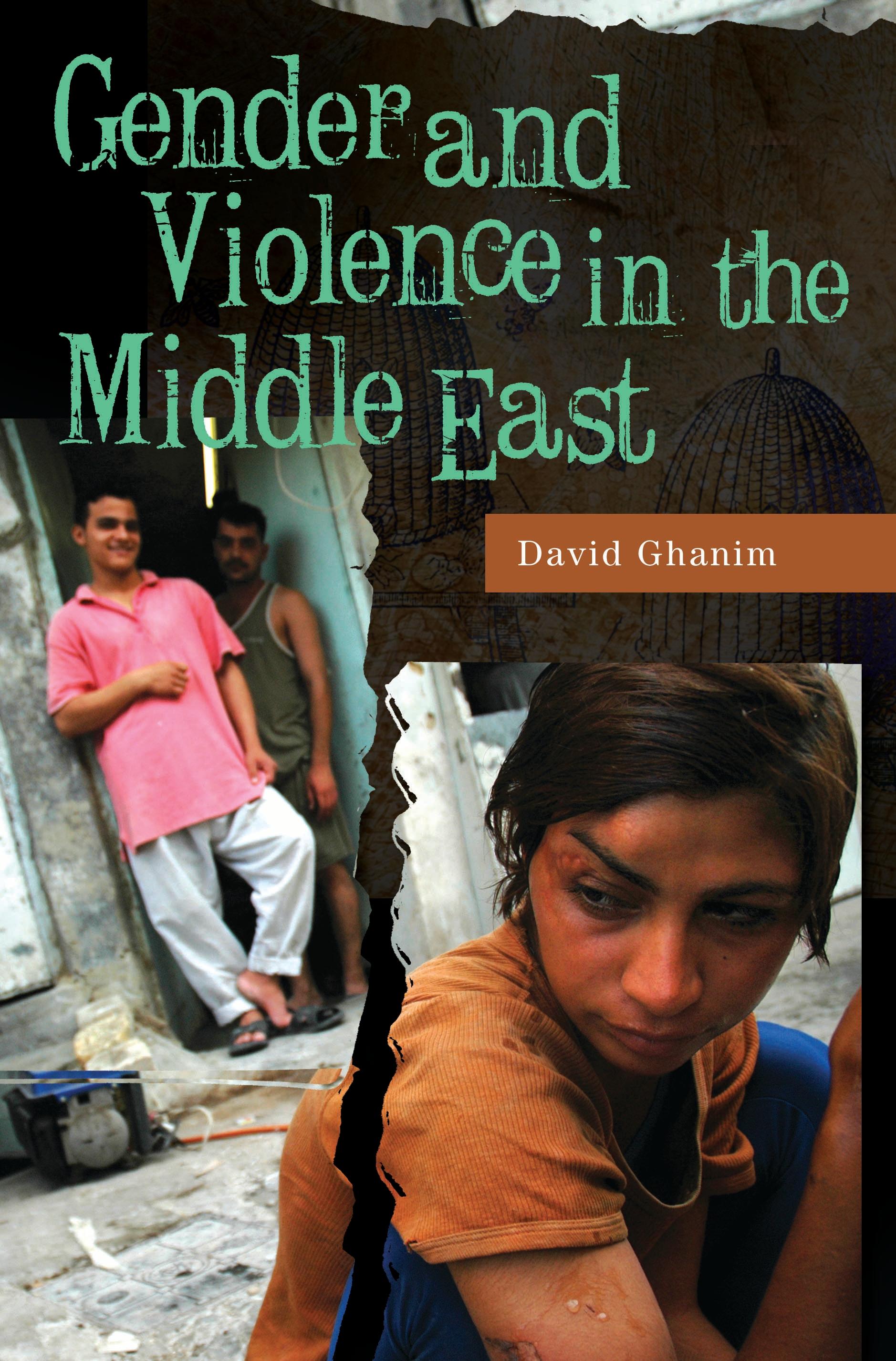
Gender and Violence in the Middle East argues that violence is fundamental to the functioning of the patriarchal gender structure that governs daily life in Middle Eastern societies. Ghanim contends that the inherent violence of gender relations in the Middle East feeds the authoritarianism and political violence that plague public life in the region. In this societal sense, men as well as women may be said to be victims of the structural violence inherent in Middle Eastern gender relations. The author shows that the varieties of physical violence against women for which the Middle East is notorious—honor killings, obligatory beatings, female genital mutilation—are merely eruptions of an ethos of psychological violence and the threat of physical violence that pervades gender relations in the Middle East.
Ghanim documents and analyzes the complementary roles of both sexes in sustaining the system of violence and oppressive control that regulates gender relations in Middle Eastern societies. He reveals that women are not only victims of violence but welcome the opportunity to become perpetrators of violence in the married female life cycle of subordination followed by domination. The mother-in-law plays a crucial role in supporting the structure of patriarchal control by stoking tensions with her daughter-in-law and provoking her son to commit sanctioned violence on his wife. The author applies his deep analysis of gender and violence in the Middle East to illuminate the motivational profiles of male and female political suicidalists from the Middle East and the martyrological adulation that they are accorded in Middle Eastern societies.
Ghanim documents and analyzes the complementary roles of both sexes in sustaining the system of violence and oppressive control that regulates gender relations in Middle Eastern societies. He reveals that women are not only victims of violence but welcome the opportunity to become perpetrators of violence in the married female life cycle of subordination followed by domination. The mother-in-law plays a crucial role in supporting the structure of patriarchal control by stoking tensions with her daughter-in-law and provoking her son to commit sanctioned violence on his wife. The author applies his deep analysis of gender and violence in the Middle East to illuminate the motivational profiles of male and female political suicidalists from the Middle East and the martyrological adulation that they are accorded in Middle Eastern societies.
Paga fácilmente con tarjeta, Klarna, Apple Pay o Google Pay. ¿No estás contento? Siempre tienes 14 días de garantía de devolución. Lee más en nuestros términos. Si tienes preguntas, escríbenos a hello@memmo.org.
Memmo hace que estudiar sea más fácil, estés donde estés. Aquí tienes tus libros de texto y herramientas de estudio inteligentes en un solo lugar: resúmenes, quizzes, podcasts y flashcards. Y también a Ted, tu compañero de estudio que responde a todo lo que te preguntes. Más de 50 000 estudiantes ya estudian aquí. Está hecho para que aprendas más rápido y te estreses menos.