
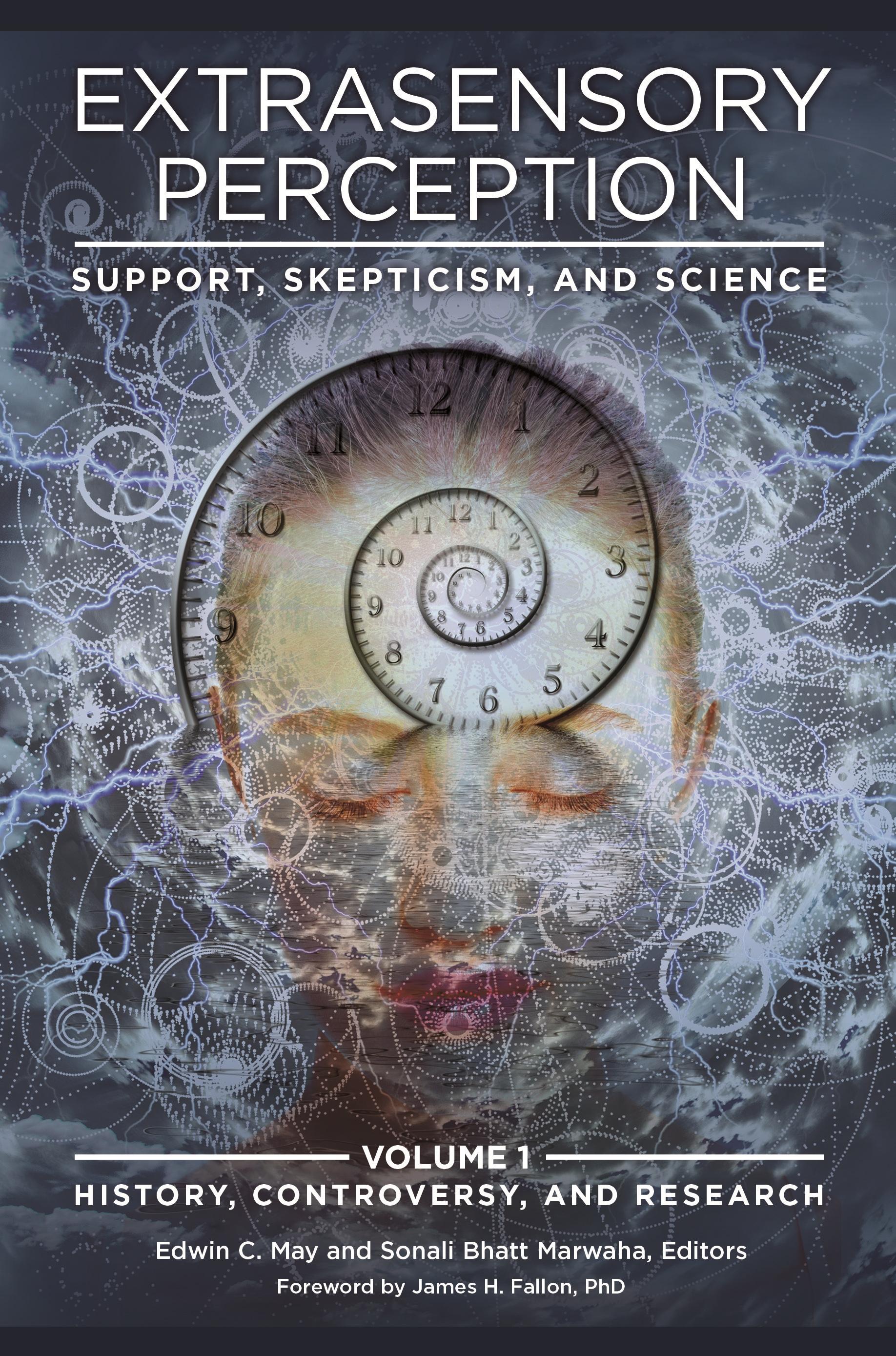
Scholars from around the world collaborate to explain the history of parapsychology, the study of extrasensory perception (ESP), and the arguments of skeptics and supporters in this fascinating collection.
This two-volume set introduces ESP—also known as anomalous cognition—and psychokinesis, addressing the history, research, philosophy, and scientific theories surrounding the phenomena. With contributions from leading research scientists from within the field of parapsychology and other areas of study, this reference addresses the fundamental questions that the evidence of ESP evokes; examines parapsychology research from all over the world; and explores the controversies, skepticism, and contemporary criticism disparaging the field.
Written for a multidisciplinary audience ranging from physicists to psychologists to lay persons, the volumes present the scientific validity of the field. Volume 1 addresses the historical, philosophical, skeptical, and research viewpoints; volume 2 lays out the current theories on ESP. Chapters reveal how strict scientific protocols and state-of-the-art technologies enable scientists—at sites such as Harvard and Cornell universities to their international counterparts in Amsterdam, Austria, and Asia—to pinpoint and investigate ESP abilities. Appendices include a glossary of key terms in parapsychology, ESP research protocol, ESP research organizations, skeptic associations, and recommended reading.
This two-volume set introduces ESP—also known as anomalous cognition—and psychokinesis, addressing the history, research, philosophy, and scientific theories surrounding the phenomena. With contributions from leading research scientists from within the field of parapsychology and other areas of study, this reference addresses the fundamental questions that the evidence of ESP evokes; examines parapsychology research from all over the world; and explores the controversies, skepticism, and contemporary criticism disparaging the field.
Written for a multidisciplinary audience ranging from physicists to psychologists to lay persons, the volumes present the scientific validity of the field. Volume 1 addresses the historical, philosophical, skeptical, and research viewpoints; volume 2 lays out the current theories on ESP. Chapters reveal how strict scientific protocols and state-of-the-art technologies enable scientists—at sites such as Harvard and Cornell universities to their international counterparts in Amsterdam, Austria, and Asia—to pinpoint and investigate ESP abilities. Appendices include a glossary of key terms in parapsychology, ESP research protocol, ESP research organizations, skeptic associations, and recommended reading.
Paga fácilmente con tarjeta, Klarna, Apple Pay o Google Pay. ¿No estás contento? Siempre tienes 14 días de garantía de devolución. Lee más en nuestros términos. Si tienes preguntas, escríbenos a hello@memmo.org.
Memmo hace que estudiar sea más fácil, estés donde estés. Aquí tienes tus libros de texto y herramientas de estudio inteligentes en un solo lugar: resúmenes, quizzes, podcasts y flashcards. Y también a Ted, tu compañero de estudio que responde a todo lo que te preguntes. Más de 50 000 estudiantes ya estudian aquí. Está hecho para que aprendas más rápido y te estreses menos.