
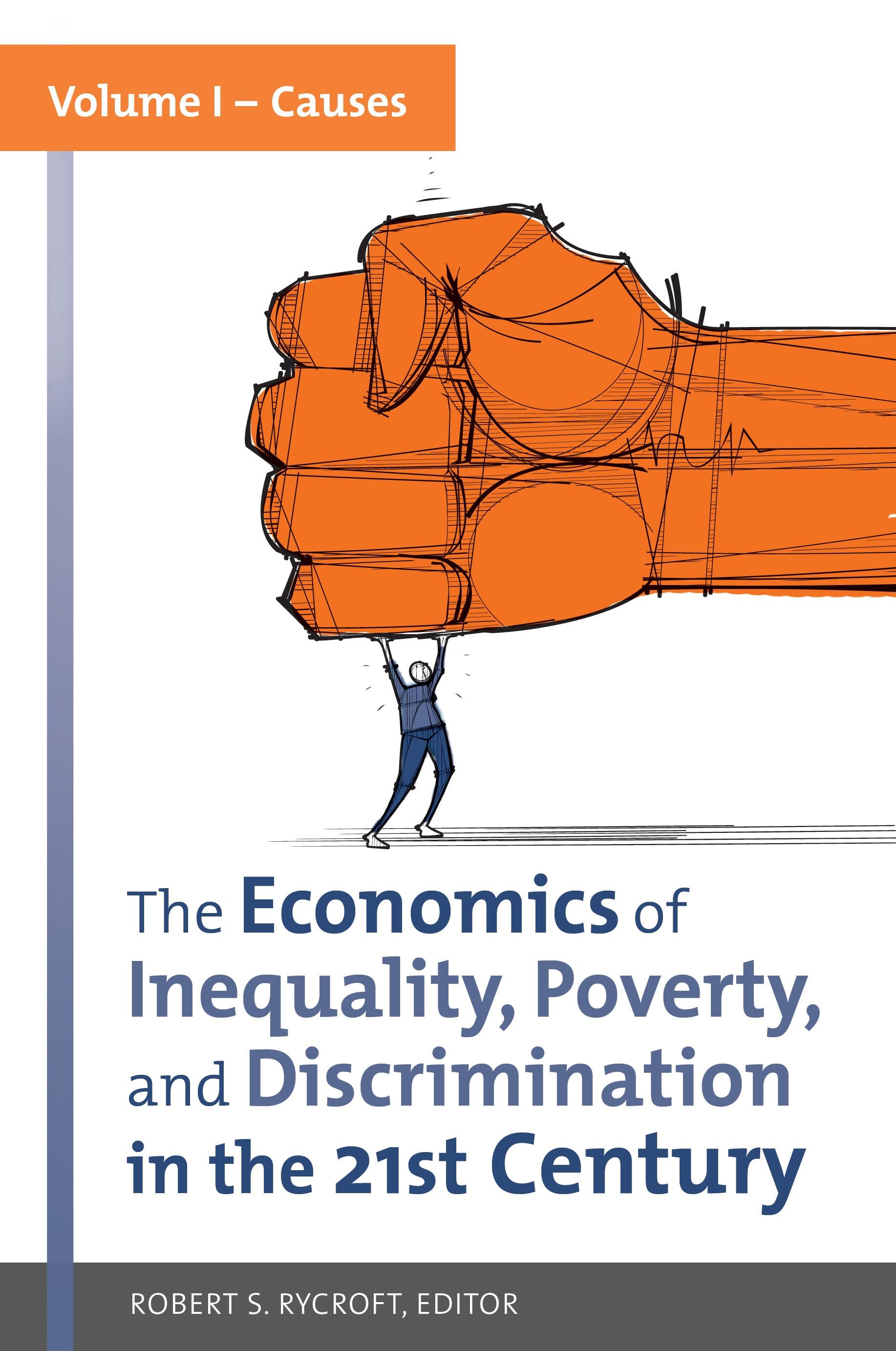
Leading scholars examine the conflicting paradigms of affluence and destitution in the United States—as well as other free societies—and discuss the influence of education, race, and status on economic mobility.
While recent catastrophic events in New Orleans and Haiti may have magnified issues of social inequity, leaders have debated over poverty and discrimination for decades. Are the poor disadvantaged by the institutions of society or by the choices they make? Through two insightful volumes, the author examines differing academic and political perspectives to help shed light on the causes of poverty and inequality; the role that gender, race, age, or sexual preference plays in determining opportunity; and the effectiveness of current social and economic policies in balancing the inequity among disparate groups.
The Economics of Inequality, Poverty, and Discrimination in the 21st Century consists of 2 volumes containing 32 papers divided into 5 categories: measurement, inequality and mobility, institutions and choices, demographic groups and discrimination, and policy. The papers—written by economists, sociologists, philosophers and lawyers—deal with the extent of inequality in the United States and how it compares to other countries, and the newly emerging evidence on the relationship between inequality and mobility within a society.
While recent catastrophic events in New Orleans and Haiti may have magnified issues of social inequity, leaders have debated over poverty and discrimination for decades. Are the poor disadvantaged by the institutions of society or by the choices they make? Through two insightful volumes, the author examines differing academic and political perspectives to help shed light on the causes of poverty and inequality; the role that gender, race, age, or sexual preference plays in determining opportunity; and the effectiveness of current social and economic policies in balancing the inequity among disparate groups.
The Economics of Inequality, Poverty, and Discrimination in the 21st Century consists of 2 volumes containing 32 papers divided into 5 categories: measurement, inequality and mobility, institutions and choices, demographic groups and discrimination, and policy. The papers—written by economists, sociologists, philosophers and lawyers—deal with the extent of inequality in the United States and how it compares to other countries, and the newly emerging evidence on the relationship between inequality and mobility within a society.
Paga fácilmente con tarjeta, Klarna, Apple Pay o Google Pay. ¿No estás contento? Siempre tienes 14 días de garantía de devolución. Lee más en nuestros términos. Si tienes preguntas, escríbenos a hello@memmo.org.
Memmo hace que estudiar sea más fácil, estés donde estés. Aquí tienes tus libros de texto y herramientas de estudio inteligentes en un solo lugar: resúmenes, quizzes, podcasts y flashcards. Y también a Ted, tu compañero de estudio que responde a todo lo que te preguntes. Más de 50 000 estudiantes ya estudian aquí. Está hecho para que aprendas más rápido y te estreses menos.