
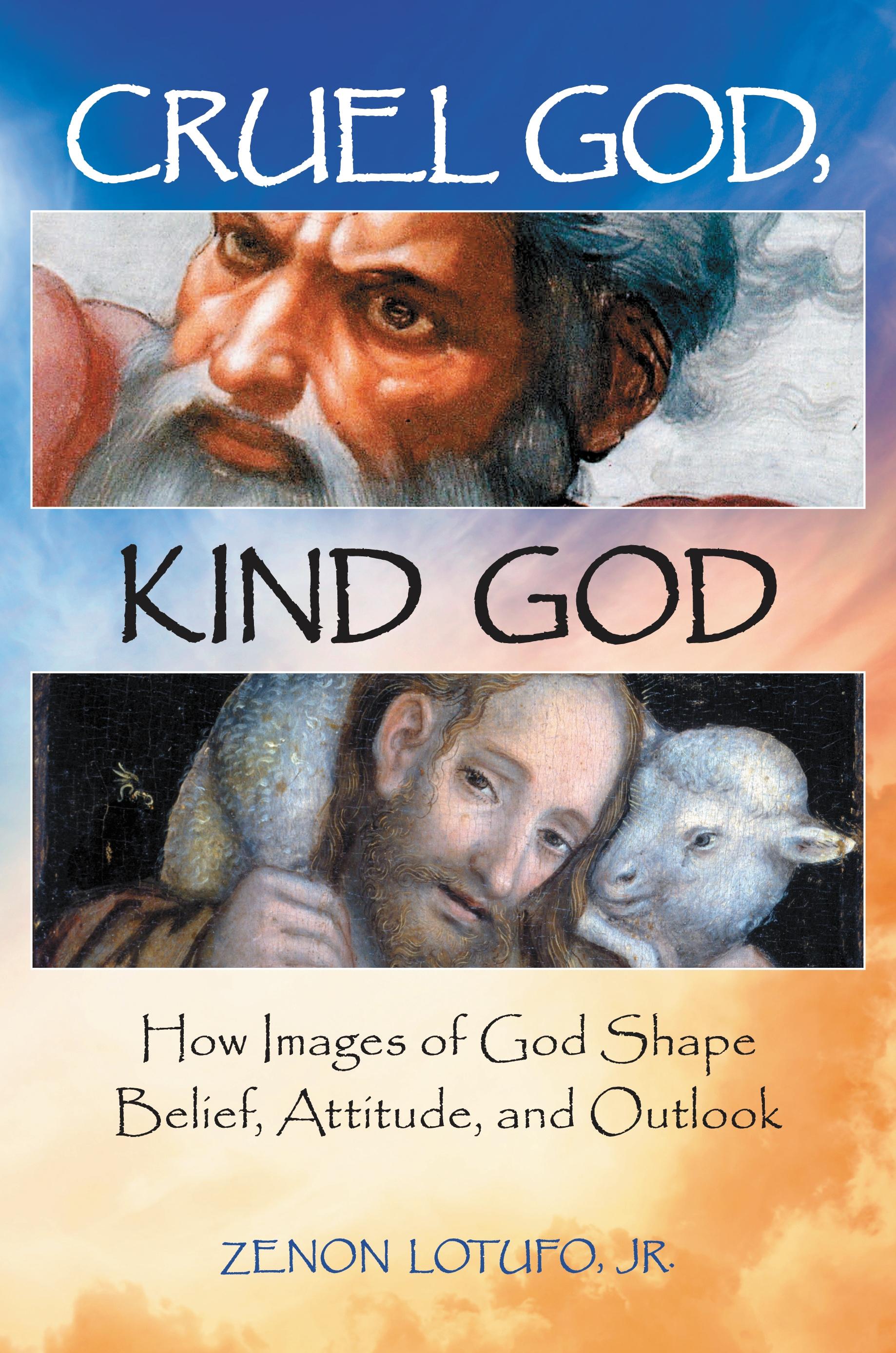
This enlightening analysis of the image of a cruel God sustained by conservative Christianity reveals how this image formed, the psychological effects of this concept, and the ways in which it has guided religious individuals—in both positive and negative ways.
This book is born, in large measure, as a result of a writing by contemporary theologian J. Harold Ellens. In his essay "Religious Metaphors Can Kill" from Praeger's The Destructive Power of Religion, Ellens espouses that theological doctrines are rooted in a model of God that determines all the aspects of those doctrines, and strongly influences the cultures into which it is inserted. Conservative Christianity in the Western world, says Ellens, has at its center the image of a cruel and wrathful God. The juridical atonement theory of Anselm is a result of such an image of God, and has an important role in justifying the resort to violence in human interaction.
Starting from these considerations, Cruel God, Kind God: How Images of God Shape Belief, Attitude, and Outlook analyzes three general topics: how two very different kinds of Christianities have emerged from these disparate images of God; how the doctrines of "original sin," "the plan of salvation," and "penal substitution" can be explained by psychological factors, as can the wide dissemination and acceptance of these doctrines; and how the image of a cruel God affects mental health, atrophies personality, and produces guilt and shame.
This book is born, in large measure, as a result of a writing by contemporary theologian J. Harold Ellens. In his essay "Religious Metaphors Can Kill" from Praeger's The Destructive Power of Religion, Ellens espouses that theological doctrines are rooted in a model of God that determines all the aspects of those doctrines, and strongly influences the cultures into which it is inserted. Conservative Christianity in the Western world, says Ellens, has at its center the image of a cruel and wrathful God. The juridical atonement theory of Anselm is a result of such an image of God, and has an important role in justifying the resort to violence in human interaction.
Starting from these considerations, Cruel God, Kind God: How Images of God Shape Belief, Attitude, and Outlook analyzes three general topics: how two very different kinds of Christianities have emerged from these disparate images of God; how the doctrines of "original sin," "the plan of salvation," and "penal substitution" can be explained by psychological factors, as can the wide dissemination and acceptance of these doctrines; and how the image of a cruel God affects mental health, atrophies personality, and produces guilt and shame.
Paga fácilmente con tarjeta, Klarna, Apple Pay o Google Pay. ¿No estás contento? Siempre tienes 14 días de garantía de devolución. Lee más en nuestros términos. Si tienes preguntas, escríbenos a hello@memmo.org.
Memmo hace que estudiar sea más fácil, estés donde estés. Aquí tienes tus libros de texto y herramientas de estudio inteligentes en un solo lugar: resúmenes, quizzes, podcasts y flashcards. Y también a Ted, tu compañero de estudio que responde a todo lo que te preguntes. Más de 50 000 estudiantes ya estudian aquí. Está hecho para que aprendas más rápido y te estreses menos.