
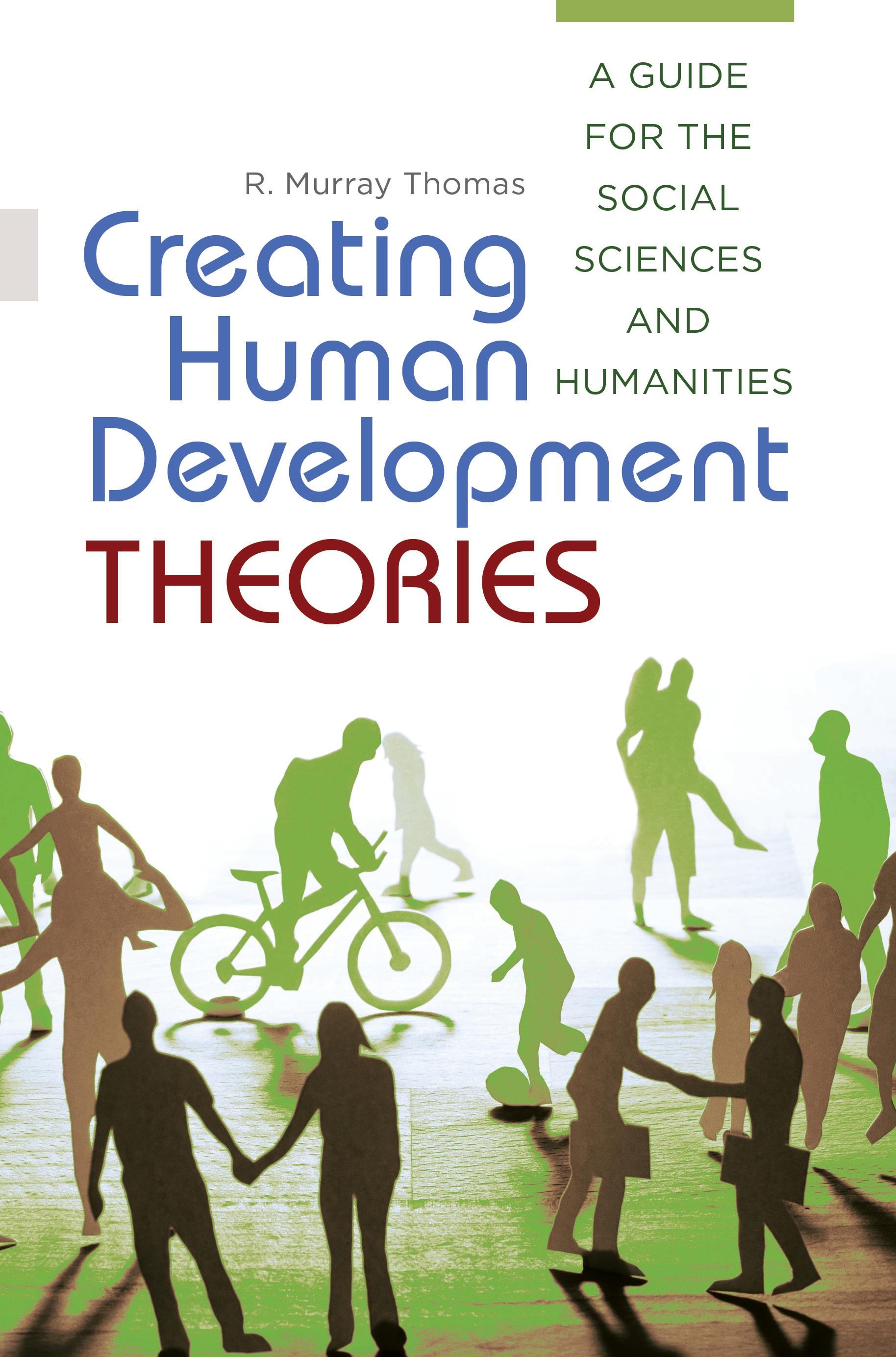
How—and why—do humans develop as they do? This book clearly explains the key components of human development theories and describes how to compose novel theories regarding this age-old puzzle.
As college students progress through bachelor's degree programs and then advance to their master's degree theses and doctoral dissertations, they are bombarded with studies of countless theories, often adopting some author's theory for interpreting information about human development, even when the theory does not precisely meet their needs. One way to solve the problem—a way especially tuned to the current classroom push for creative, critical thinking—is for the student to create his or her own theory. Unfortunately, even students as high as the doctoral level often don't understand how to create a well-ordered, workable theory of their own—a crucial gap in their "critical thinking" skillsets. This book is the solution to that specific problem. In these pages, in clear and detailed steps, is a complete explanation for developing a theory.
The book addresses key topics such as attention to need, population, basic assumptions, key terms, causes and stages, interpreting evidence, and applications. Author R. Murray Thomas—a well-known and highly respected elder in the social sciences—also details five illustrative theories, covering their history and providing insights about how they were developed. This work will be valuable to students of psychology, human development, child development, and theory as well as those in other disciplines seeking an understanding of theory building.
As college students progress through bachelor's degree programs and then advance to their master's degree theses and doctoral dissertations, they are bombarded with studies of countless theories, often adopting some author's theory for interpreting information about human development, even when the theory does not precisely meet their needs. One way to solve the problem—a way especially tuned to the current classroom push for creative, critical thinking—is for the student to create his or her own theory. Unfortunately, even students as high as the doctoral level often don't understand how to create a well-ordered, workable theory of their own—a crucial gap in their "critical thinking" skillsets. This book is the solution to that specific problem. In these pages, in clear and detailed steps, is a complete explanation for developing a theory.
The book addresses key topics such as attention to need, population, basic assumptions, key terms, causes and stages, interpreting evidence, and applications. Author R. Murray Thomas—a well-known and highly respected elder in the social sciences—also details five illustrative theories, covering their history and providing insights about how they were developed. This work will be valuable to students of psychology, human development, child development, and theory as well as those in other disciplines seeking an understanding of theory building.
Paga fácilmente con tarjeta, Klarna, Apple Pay o Google Pay. ¿No estás contento? Siempre tienes 14 días de garantía de devolución. Lee más en nuestros términos. Si tienes preguntas, escríbenos a hello@memmo.org.
Memmo hace que estudiar sea más fácil, estés donde estés. Aquí tienes tus libros de texto y herramientas de estudio inteligentes en un solo lugar: resúmenes, quizzes, podcasts y flashcards. Y también a Ted, tu compañero de estudio que responde a todo lo que te preguntes. Más de 50 000 estudiantes ya estudian aquí. Está hecho para que aprendas más rápido y te estreses menos.