
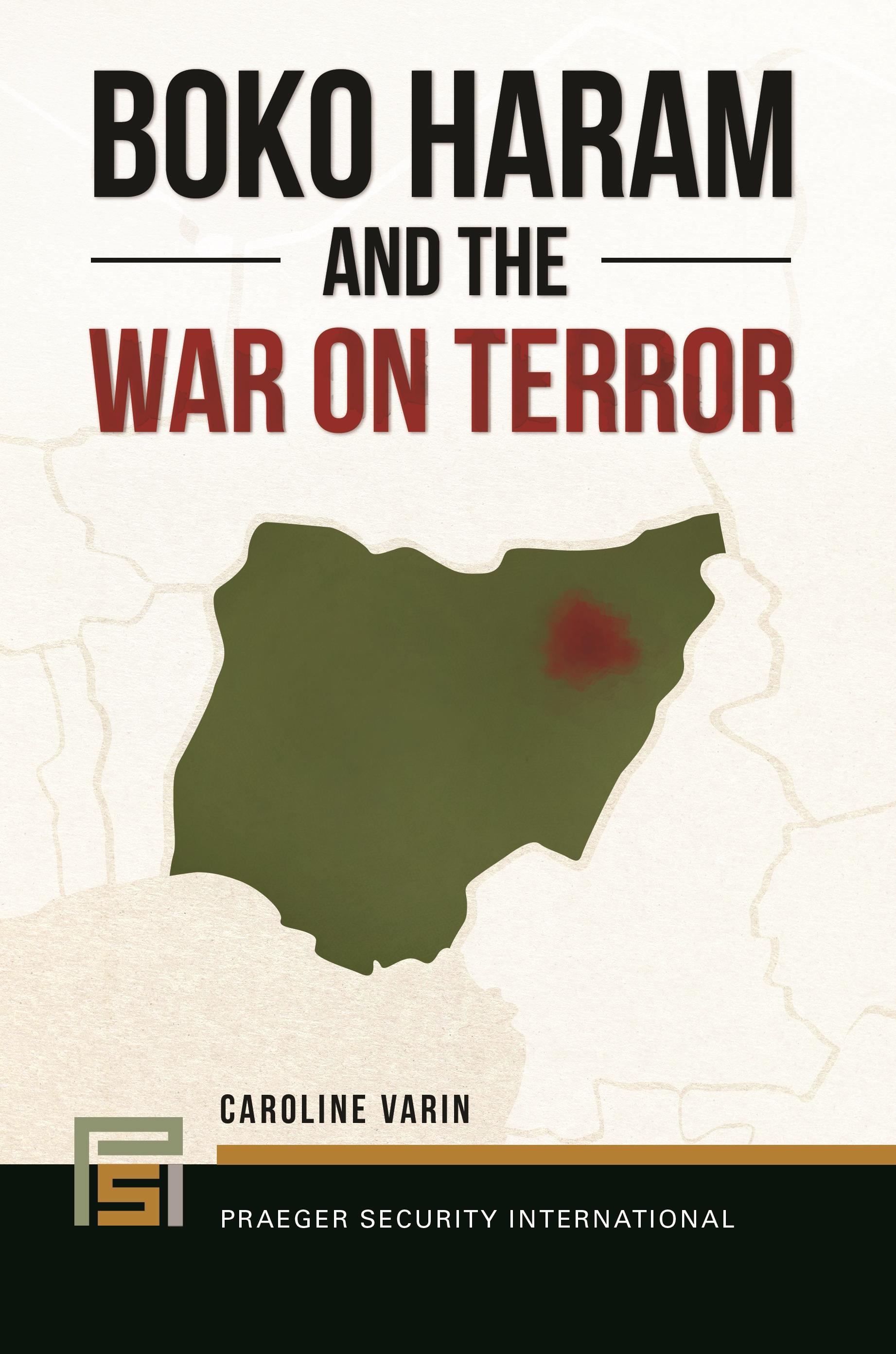
A comprehensive analysis of the rise of Boko Haram from a small religious cult to a major terrorist group, placing them within the context of Nigerian politics and the international War on Terror.
In 2009, Nigerian security forces stormed a religious cult by the name of Boko Haram, killing its leader and thousands of followers. Six years later, Boko Haram is an enemy to reckon with, boasting 15,000 members and taking credit for 20,000 deaths. This book looks at the successful rise of this terrorist group, probing the religious and political environment that enabled a relatively small cult to threaten a nation.
The study draws on the author's fieldwork in Nigeria, where she had access to officials, activists, psychologists, and military personnel. Written in a clear and accessible manner, it offers a micro-to-macro investigation of the Boko Haram as a phenomenon. It also provides readers with an understanding of the regional dynamics that obstructed political and military cooperation among neighboring countries, enabling Boko Haram's success. This book traces the group's religious origins in the early 2000s and documents its violent political claims in Nigeria and across the border in Northern Cameroon, Niger, and Chad. Finally, it examines the impact of the international War on Terror and presents a comparative study of other contemporary terrorism movements and their networks.
In 2009, Nigerian security forces stormed a religious cult by the name of Boko Haram, killing its leader and thousands of followers. Six years later, Boko Haram is an enemy to reckon with, boasting 15,000 members and taking credit for 20,000 deaths. This book looks at the successful rise of this terrorist group, probing the religious and political environment that enabled a relatively small cult to threaten a nation.
The study draws on the author's fieldwork in Nigeria, where she had access to officials, activists, psychologists, and military personnel. Written in a clear and accessible manner, it offers a micro-to-macro investigation of the Boko Haram as a phenomenon. It also provides readers with an understanding of the regional dynamics that obstructed political and military cooperation among neighboring countries, enabling Boko Haram's success. This book traces the group's religious origins in the early 2000s and documents its violent political claims in Nigeria and across the border in Northern Cameroon, Niger, and Chad. Finally, it examines the impact of the international War on Terror and presents a comparative study of other contemporary terrorism movements and their networks.
Paga fácilmente con tarjeta, Klarna, Apple Pay o Google Pay. ¿No estás contento? Siempre tienes 14 días de garantía de devolución. Lee más en nuestros términos. Si tienes preguntas, escríbenos a hello@memmo.org.
Memmo hace que estudiar sea más fácil, estés donde estés. Aquí tienes tus libros de texto y herramientas de estudio inteligentes en un solo lugar: resúmenes, quizzes, podcasts y flashcards. Y también a Ted, tu compañero de estudio que responde a todo lo que te preguntes. Más de 50 000 estudiantes ya estudian aquí. Está hecho para que aprendas más rápido y te estreses menos.