
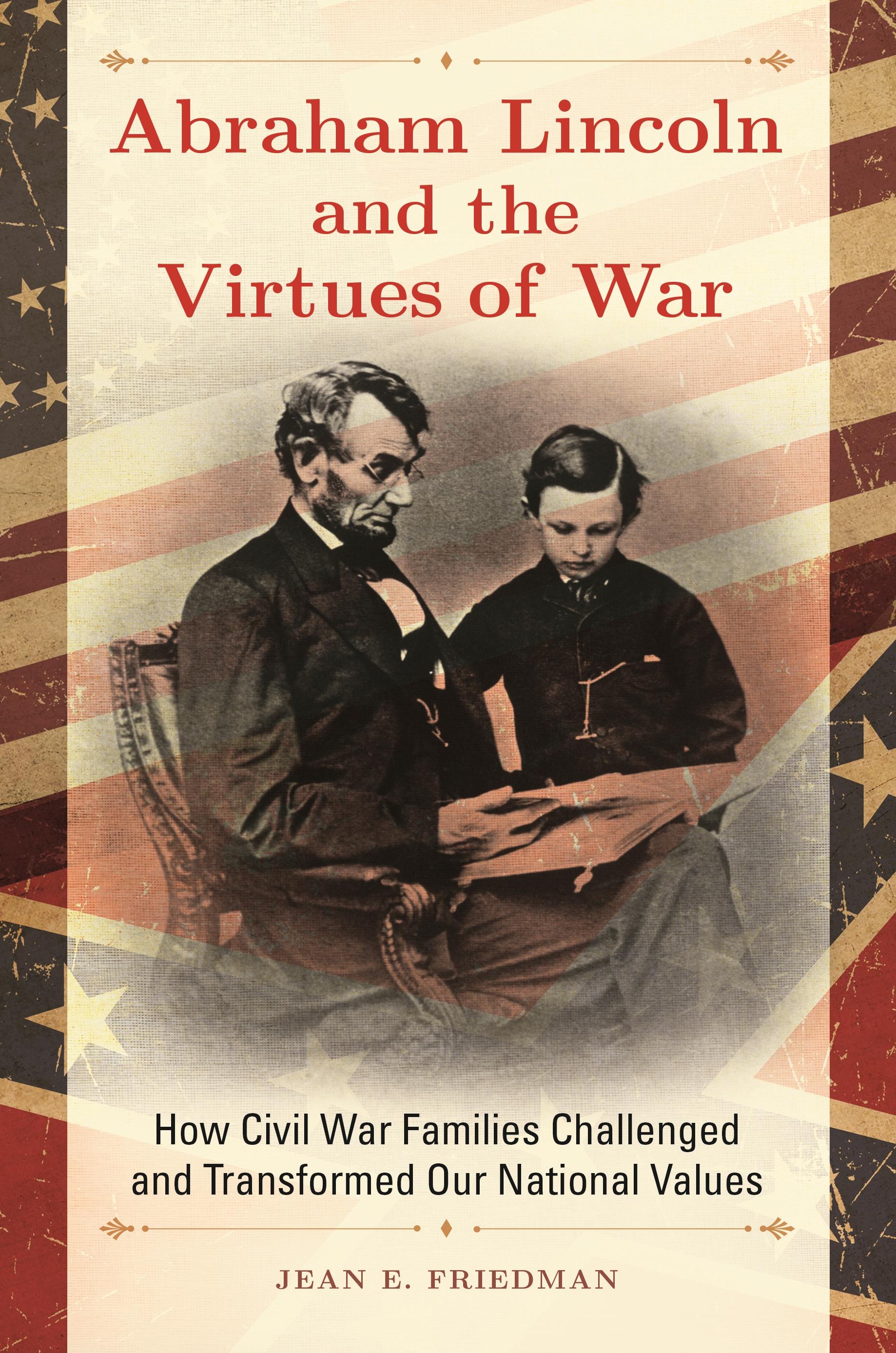
This study introduces a new perspective on Lincoln and the Civil War through an examination of his declaration of our national values and the subsequent interpretation of those values by families during the war.
This volume is a completely new approach to Civil War history. Historians rightly regard Abraham Lincoln as a moral exemplar, a president who gave new life to the national values that defined America. While some previous studies attest to Lincoln's identification with family virtues, this is the first to link Lincoln's personal biography with actual histories of families at war. It analyzes the relationship that existed between Lincoln and these families and assesses the moral struggles that validated the families' decision for or against the conflict.
Written to be accessible to students and the general reader alike, the book examines Lincoln's presidency as measured against the stories of families, North and South, that struggled with his definition of Union virtues. It looks at Lincoln's compelling case for democratic values—among them, justice, patriotism, honor, and commitment—first stated in his 1861 speech before Independence Hall. The work also uses case studies to demonstrate how virtue, as practiced in families, illuminated, contested, adapted, and even transformed his concept, giving new meaning to the "virtues of war."
This volume is a completely new approach to Civil War history. Historians rightly regard Abraham Lincoln as a moral exemplar, a president who gave new life to the national values that defined America. While some previous studies attest to Lincoln's identification with family virtues, this is the first to link Lincoln's personal biography with actual histories of families at war. It analyzes the relationship that existed between Lincoln and these families and assesses the moral struggles that validated the families' decision for or against the conflict.
Written to be accessible to students and the general reader alike, the book examines Lincoln's presidency as measured against the stories of families, North and South, that struggled with his definition of Union virtues. It looks at Lincoln's compelling case for democratic values—among them, justice, patriotism, honor, and commitment—first stated in his 1861 speech before Independence Hall. The work also uses case studies to demonstrate how virtue, as practiced in families, illuminated, contested, adapted, and even transformed his concept, giving new meaning to the "virtues of war."
Paga fácilmente con tarjeta, Klarna, Apple Pay o Google Pay. ¿No estás contento? Siempre tienes 14 días de garantía de devolución. Lee más en nuestros términos. Si tienes preguntas, escríbenos a hello@memmo.org.
Memmo hace que estudiar sea más fácil, estés donde estés. Aquí tienes tus libros de texto y herramientas de estudio inteligentes en un solo lugar: resúmenes, quizzes, podcasts y flashcards. Y también a Ted, tu compañero de estudio que responde a todo lo que te preguntes. Más de 50 000 estudiantes ya estudian aquí. Está hecho para que aprendas más rápido y te estreses menos.