
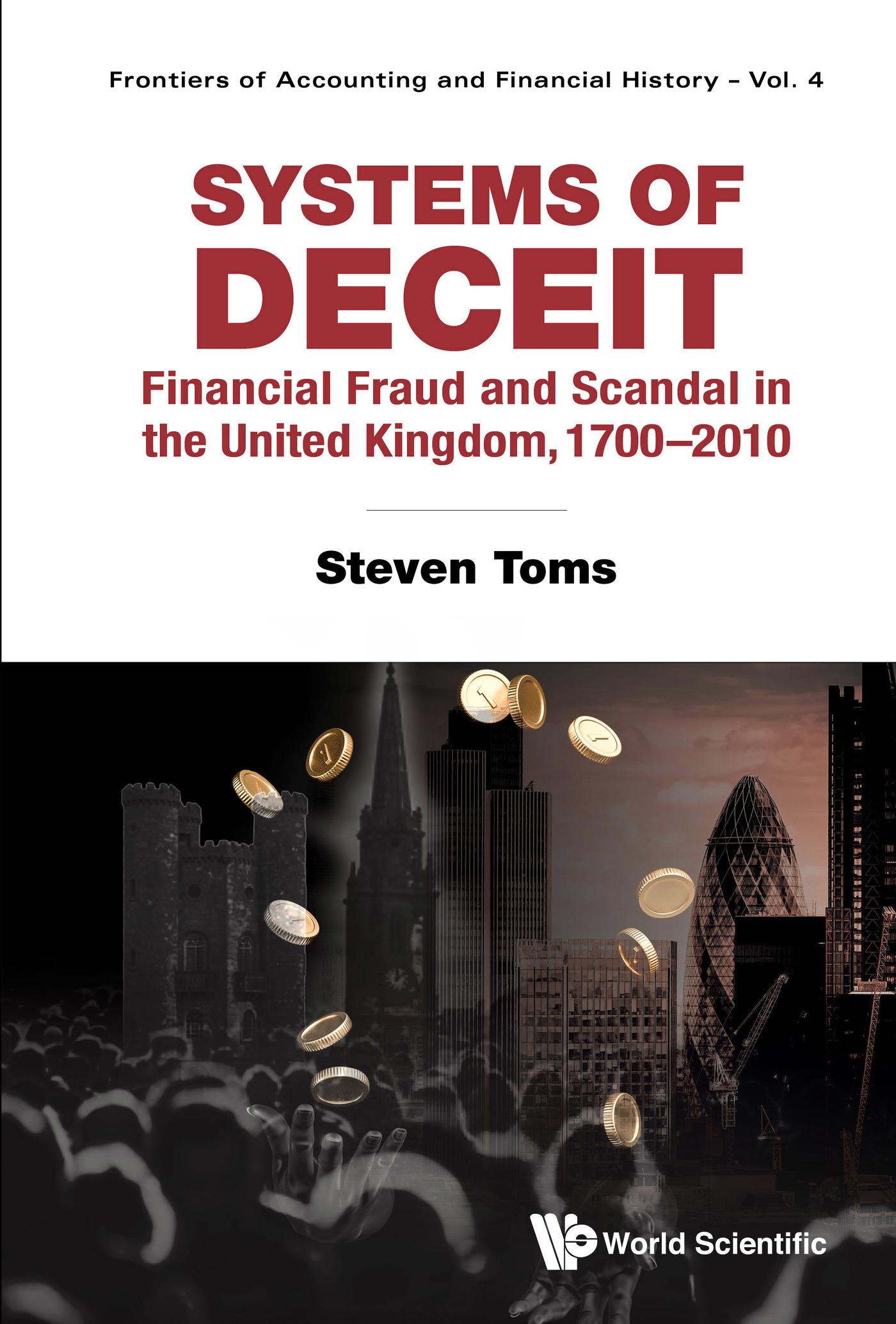
Financial fraud is a serious and seemingly intractable problem. Financial scandals regularly punctuate newspaper headlines and regulators and auditors appear bereft of effective responses. But has this always been the case?
This book quantifies financial crime in the UK using three centuries of data. It demonstrates how financial fraud and scandal vary according to systematic economic and institutional arrangements. In doing so, it retells the history of British capitalism, from the mercantilism of the eighteenth century to the financial capitalism of the twenty-first century, illustrating the often negative consequences of economic ideology, policy and structure. It identifies periods when fraud has been less problematic and contrasts these with times when it has surged. The variation of outcomes reflects the balance of power between the state, industrial and financial sectors, the provision of credit through risky lending, and the effectiveness of audits. 'Rogue traders' and other flawed individuals are frequently the focus of blame narratives constructed with the intention of deflecting comprehensive systematic reforms.
Contents:
- Introduction: The Systemic Determinants of Financial Crime
- Mercantile Capitalism: Financial Crime and Corruption, 1700–1800
- Laissez-Faire Capitalism: Smoke and Mirrors in Banking and Railways, 1801–1870
- Monopoly Capitalism and Professionalisation: Rogue Directors, 1871–1945
- Managerial Capitalism — The Fraud Hiatus: 1946–1970
- Financial Capitalism: The Resurgence of Financial Fraud and Scandal, 1970–2010
- Systems of Deceit
Readership: Students studying finance and financial history. Researchers working on financial frauds and crises. Financial practitioners, policymakers, government officials.
Key Features:
- The book considers 300 years of British financial history through the unique lens of financial fraud
- The mix of history and finance will engage a generalist audience as well as financial practitioners, academics and students
- The book provides a historical explanation of a very contemporary problem
- Author uses a unique dataset of financial scandals
Paga fácilmente con tarjeta, Klarna, Apple Pay o Google Pay. ¿No estás contento? Siempre tienes 14 días de garantía de devolución. Lee más en nuestros términos. Si tienes preguntas, escríbenos a hello@memmo.org.
Memmo hace que estudiar sea más fácil, estés donde estés. Aquí tienes tus libros de texto y herramientas de estudio inteligentes en un solo lugar: resúmenes, quizzes, podcasts y flashcards. Y también a Ted, tu compañero de estudio que responde a todo lo que te preguntes. Más de 50 000 estudiantes ya estudian aquí. Está hecho para que aprendas más rápido y te estreses menos.