
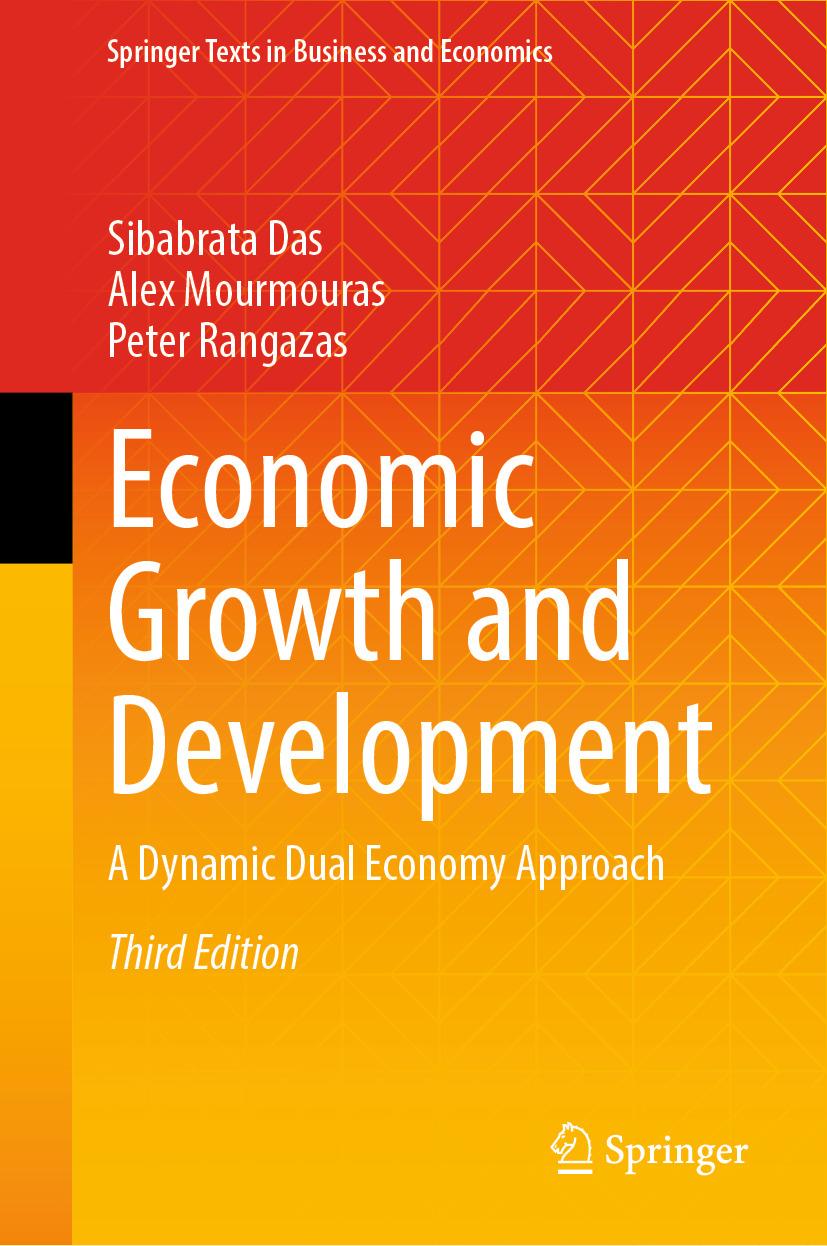
Revised and updated for the third edition, this text is an introduction to the newer features of growth theory that are particularly useful in examining the issues of economic development. Growth theory provides a rich and versatile analytical framework through which fundamental questions about economic development can be examined. Structural transformation, in which developing countries transition from traditional production in largely rural areas to modern production in largely urban areas, is an important causal force in creating early economic growth, and as such, is made central in this approach. Towards this end, the authors augment the Solow model to include endogenous theories of saving, fertility, human capital, institutional arrangements, and policy formation, creating a single two-sector model of structural transformation. Based on applied research and practical experiences in macroeconomic development, the model in this book presents a more rigorous, quantifiable, andexplicitly dynamic dual economy approach to development. Common microeconomic foundations and notation are used throughout, with each chapter building on the previous material in a continuous flow.
The updated third edition includes two completely new chapters on government debt and growth slowdowns, topics that will be useful for undergraduate and graduate students studying development economics and macroeconomics.
Paga fácilmente con tarjeta, Klarna, Apple Pay o Google Pay. ¿No estás contento? Siempre tienes 14 días de garantía de devolución. Lee más en nuestros términos. Si tienes preguntas, escríbenos a hello@memmo.org.
Memmo hace que estudiar sea más fácil, estés donde estés. Aquí tienes tus libros de texto y herramientas de estudio inteligentes en un solo lugar: resúmenes, quizzes, podcasts y flashcards. Y también a Ted, tu compañero de estudio que responde a todo lo que te preguntes. Más de 50 000 estudiantes ya estudian aquí. Está hecho para que aprendas más rápido y te estreses menos.