
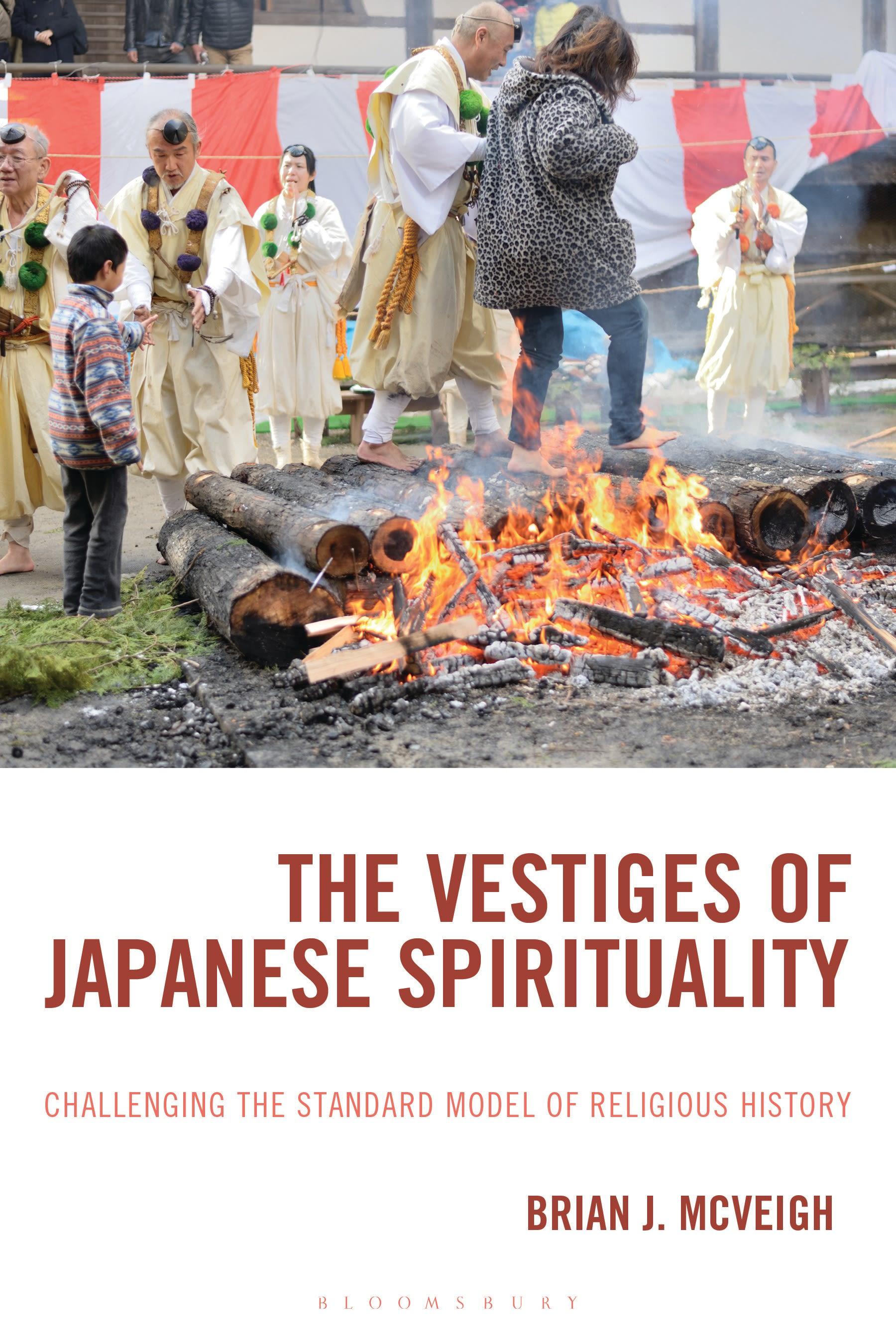
By positioning Japan within a global perspective, this work challenges the “black-box” approach to psyche dominating studies in the history of religion.
Brian J. McVeigh employs a cultural psychological analysis by first highlighting the conceptual obstacles hindering the psychology of religion, such as neglecting sociohistorical forces that shape mental processes. Next, by exploring shamanism, divination, and the mountain asceticism or Shugendo, he contextualizes the historical background of Japanese religion. He argues that current practices of Japan's new religions are relics of an earlier mentality that has been creatively renovated and re-adapted for the present-day. This is demonstrated by investigating spirit possession, a vestige of an obsolete neurocultural arrangement. Unlike other works, this book treats possession as a legitimate phenomenon in and of itself, requiring explanatory analysis rather than dismissing it as a mere epiphenomenon. This genuinely interdisciplinary work transcends mainstream academic fields and will appeal to readers interested in Japanese and Asian religions and the psychology of religion.
Brian J. McVeigh employs a cultural psychological analysis by first highlighting the conceptual obstacles hindering the psychology of religion, such as neglecting sociohistorical forces that shape mental processes. Next, by exploring shamanism, divination, and the mountain asceticism or Shugendo, he contextualizes the historical background of Japanese religion. He argues that current practices of Japan's new religions are relics of an earlier mentality that has been creatively renovated and re-adapted for the present-day. This is demonstrated by investigating spirit possession, a vestige of an obsolete neurocultural arrangement. Unlike other works, this book treats possession as a legitimate phenomenon in and of itself, requiring explanatory analysis rather than dismissing it as a mere epiphenomenon. This genuinely interdisciplinary work transcends mainstream academic fields and will appeal to readers interested in Japanese and Asian religions and the psychology of religion.
Paga fácilmente con tarjeta, Klarna, Apple Pay o Google Pay. ¿No estás contento? Siempre tienes 14 días de garantía de devolución. Lee más en nuestros términos. Si tienes preguntas, escríbenos a hello@memmo.org.
Memmo hace que estudiar sea más fácil, estés donde estés. Aquí tienes tus libros de texto y herramientas de estudio inteligentes en un solo lugar: resúmenes, quizzes, podcasts y flashcards. Y también a Ted, tu compañero de estudio que responde a todo lo que te preguntes. Más de 50 000 estudiantes ya estudian aquí. Está hecho para que aprendas más rápido y te estreses menos.