
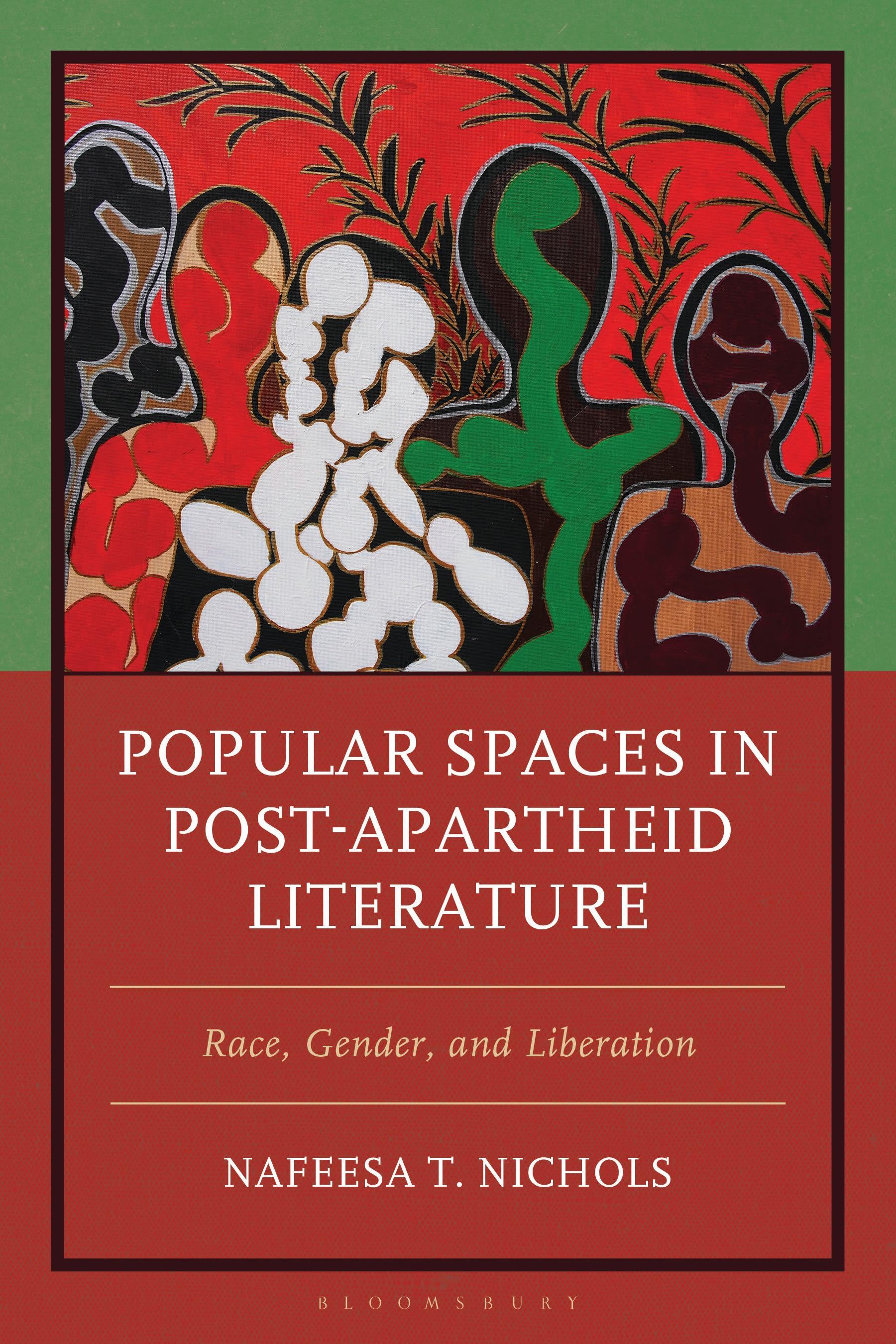
Nafeesa T. Nichols analyzes how racialized and gendered spaces are presented in post-apartheid South African literature.
Through the examination of four novels, Kopano Matlwa's Coconut (2007), Zukiswa Wanner's The Madams (2006), Niq Mhlongo's After Tears (2007), and Kgebetli Moele's Room 207 (2006), Popular Spaces in Post-Apartheid Literature highlights the interconnections between space, race, gender, and popular culture within the post-apartheid South Africa. Nichols not only explores how post-1994 literature attempts to represent the realities of the post-apartheid condition, but also reveals the innovative and radical contributions that these young authors of the early twenty-first century made within the literary world.
This book mediates the dynamics and complexities of space in connection to race and gender, exemplifies the challenge of working with and in violent masculinist textual spaces, and conceptualizes the popular in connection with class, race, and gender struggles. Drawing on an interdisciplinary mix of Black feminist theory, feminist geographical perspectives, and spatial theory, Nichols provides a close reading of each of the selected texts, offering broader insights into the how Black subjects navigate various spaces of oppression. Through these novels, she shows how we are able to imagine the possibilities of liberatory spaces, celebrate local knowledge, creativity, the popular, and, most importantly, the beauty and resistance found in the everyday. In the end, this book contributes to the academic conversations that continue to take place surrounding gender, space, literature, and liberation in South Africa.
Through the examination of four novels, Kopano Matlwa's Coconut (2007), Zukiswa Wanner's The Madams (2006), Niq Mhlongo's After Tears (2007), and Kgebetli Moele's Room 207 (2006), Popular Spaces in Post-Apartheid Literature highlights the interconnections between space, race, gender, and popular culture within the post-apartheid South Africa. Nichols not only explores how post-1994 literature attempts to represent the realities of the post-apartheid condition, but also reveals the innovative and radical contributions that these young authors of the early twenty-first century made within the literary world.
This book mediates the dynamics and complexities of space in connection to race and gender, exemplifies the challenge of working with and in violent masculinist textual spaces, and conceptualizes the popular in connection with class, race, and gender struggles. Drawing on an interdisciplinary mix of Black feminist theory, feminist geographical perspectives, and spatial theory, Nichols provides a close reading of each of the selected texts, offering broader insights into the how Black subjects navigate various spaces of oppression. Through these novels, she shows how we are able to imagine the possibilities of liberatory spaces, celebrate local knowledge, creativity, the popular, and, most importantly, the beauty and resistance found in the everyday. In the end, this book contributes to the academic conversations that continue to take place surrounding gender, space, literature, and liberation in South Africa.
Páginas: 200
Categoría: Kultur-, Genus- & Postkoloniala studier
e-ISBN: 9781978766440
Peso de envío: 1.2 kg
Envío en: 1-2 días
Paga fácilmente con tarjeta, Klarna, Apple Pay o Google Pay. ¿No estás contento? Siempre tienes 14 días de garantía de devolución. Lee más en nuestros términos. Si tienes preguntas, escríbenos a hello@memmo.org.
Memmo hace que estudiar sea más fácil, estés donde estés. Aquí tienes tus libros de texto y herramientas de estudio inteligentes en un solo lugar: resúmenes, quizzes, podcasts y flashcards. Y también a Ted, tu compañero de estudio que responde a todo lo que te preguntes. Más de 50 000 estudiantes ya estudian aquí. Está hecho para que aprendas más rápido y te estreses menos.