
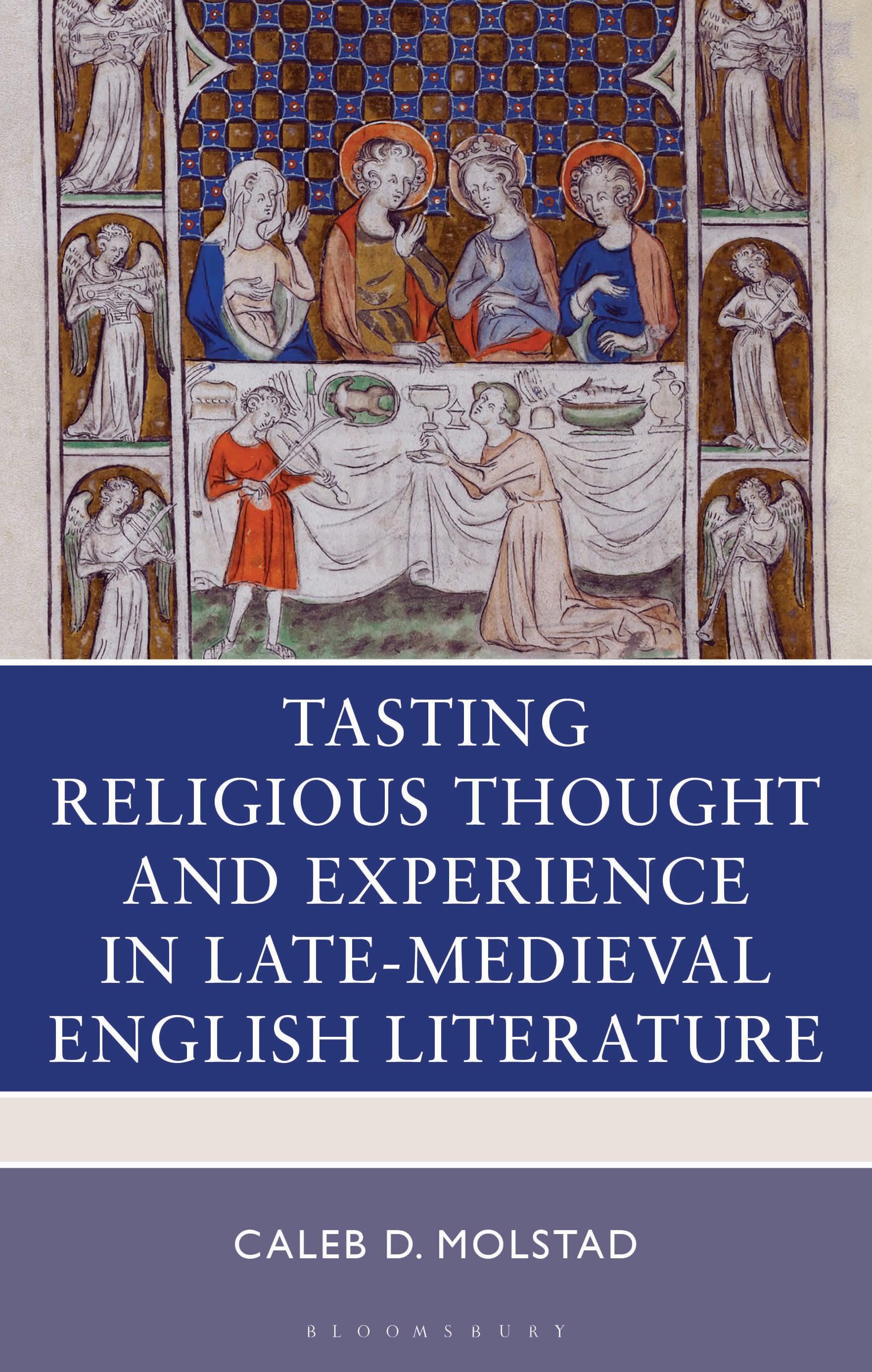
Through an analysis of vernacular metaphors of food and consumption for religious experience and theology in late-fourteenth and early fifteenth century England, Caleb D. Molstad explores what that language reveals about late-medieval religion during a time of swift religious and linguistic change.
In the move from Latin to Middle English, medieval authors gave vibrant expression to religious ideas through the emerging literary language, a phenomenon Nicholas Watson has termed “vernacular theology.” Molstad places focus on poetic and prose works including William Langland's Piers Plowman, Nicholas Love's A Mirror of the Blessed Life of Jesus Christ, and Walter Hilton's Scale of Perfection, Pearl-Poet's Cleanness, and A Ladder of Foure Ronges. Alimentary metaphors not only make religious concepts more accessible to a non-educated, lay audience, the language of food and consumption alters the shape of the religious content communicated through it. This book employs cognitive linguistics and food studies to explore the transcultural, sociological, anthropological, and historical significance of the food and foodways behind the metaphorical language and the theological transformations the metaphors produce.
In the move from Latin to Middle English, medieval authors gave vibrant expression to religious ideas through the emerging literary language, a phenomenon Nicholas Watson has termed “vernacular theology.” Molstad places focus on poetic and prose works including William Langland's Piers Plowman, Nicholas Love's A Mirror of the Blessed Life of Jesus Christ, and Walter Hilton's Scale of Perfection, Pearl-Poet's Cleanness, and A Ladder of Foure Ronges. Alimentary metaphors not only make religious concepts more accessible to a non-educated, lay audience, the language of food and consumption alters the shape of the religious content communicated through it. This book employs cognitive linguistics and food studies to explore the transcultural, sociological, anthropological, and historical significance of the food and foodways behind the metaphorical language and the theological transformations the metaphors produce.
Paga fácilmente con tarjeta, Klarna, Apple Pay o Google Pay. ¿No estás contento? Siempre tienes 14 días de garantía de devolución. Lee más en nuestros términos. Si tienes preguntas, escríbenos a hello@memmo.org.
Memmo hace que estudiar sea más fácil, estés donde estés. Aquí tienes tus libros de texto y herramientas de estudio inteligentes en un solo lugar: resúmenes, quizzes, podcasts y flashcards. Y también a Ted, tu compañero de estudio que responde a todo lo que te preguntes. Más de 50 000 estudiantes ya estudian aquí. Está hecho para que aprendas más rápido y te estreses menos.