
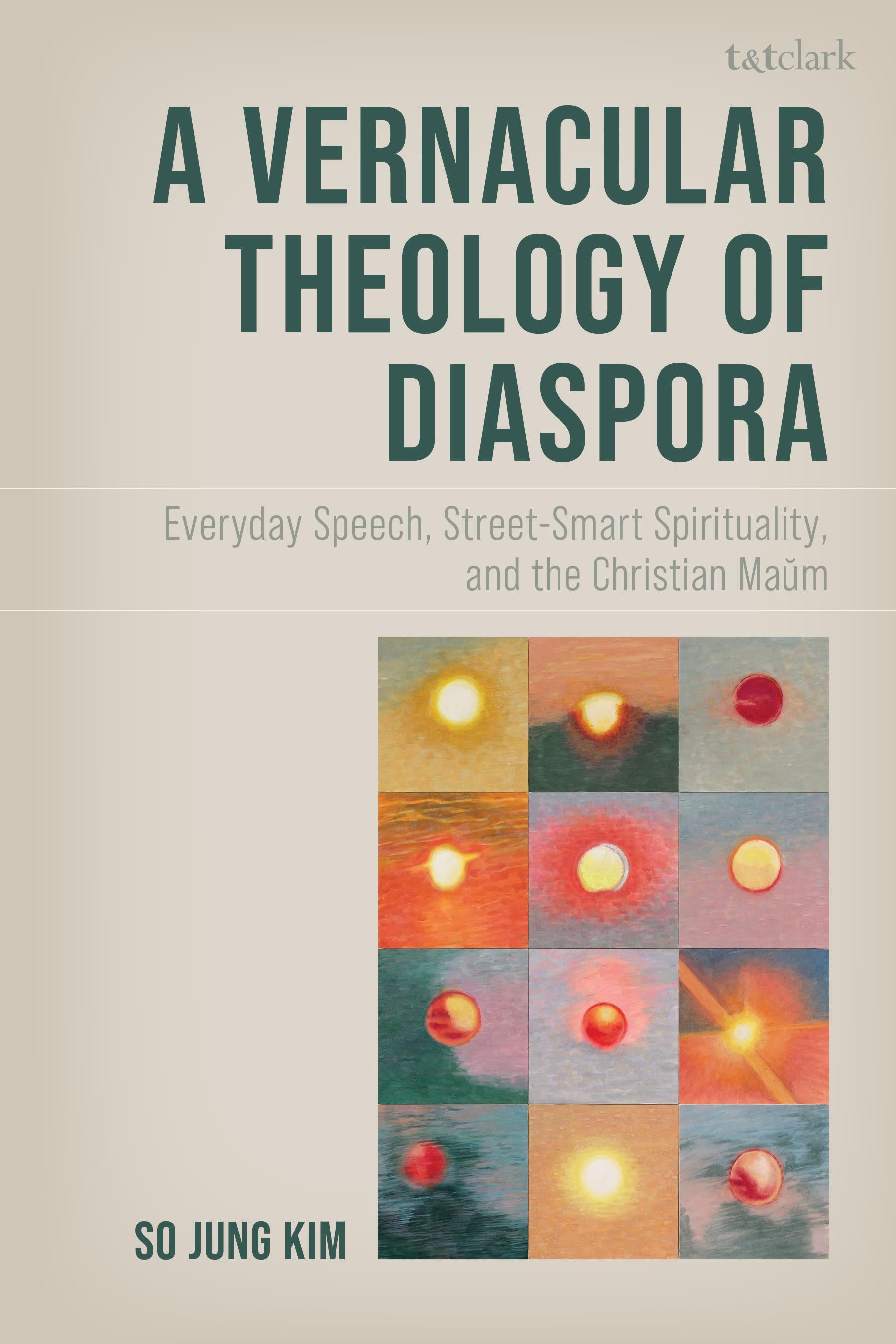
This book explores how language-in-use shapes the soul, identity, and spirituality of Asian American Christian women in diaspora, focusing on the theological and semiotic significance of language.
In employing an interdisciplinary framework cutting across Christian theology, linguistic anthropology, and feminist theory, the author suggests the concept of street-smart spirituality-a form of everyday mysticism embodied in vernacular speech acts. Focusing on the Korean term maum (heart–mind–soul), the book argues that everyday utterances, gestures, and vocal practices convey qualia-textured signs of internal experience-that articulate Christian subjectivity beyond institutional orders or dominant linguistic norms. Tracing the rhetorical tradition of sermo humilis and vernacularity from Augustine to Dante, and placing it in conversation with Marguerite Porete and Yi Suni, the book reveals how Christian vernaculars have functioned as vehicles of resistance, intimacy, and transformation. In grappling with the racialized demands of “standard” American English, this work affirms the power of fragile, diasporic, and accented speech as a site of divine encounter and theological agency. The book invites readers to rethink what makes language “Christian,” what renders a person “American enough,” and how voice becomes a sacred medium of becoming.
In employing an interdisciplinary framework cutting across Christian theology, linguistic anthropology, and feminist theory, the author suggests the concept of street-smart spirituality-a form of everyday mysticism embodied in vernacular speech acts. Focusing on the Korean term maum (heart–mind–soul), the book argues that everyday utterances, gestures, and vocal practices convey qualia-textured signs of internal experience-that articulate Christian subjectivity beyond institutional orders or dominant linguistic norms. Tracing the rhetorical tradition of sermo humilis and vernacularity from Augustine to Dante, and placing it in conversation with Marguerite Porete and Yi Suni, the book reveals how Christian vernaculars have functioned as vehicles of resistance, intimacy, and transformation. In grappling with the racialized demands of “standard” American English, this work affirms the power of fragile, diasporic, and accented speech as a site of divine encounter and theological agency. The book invites readers to rethink what makes language “Christian,” what renders a person “American enough,” and how voice becomes a sacred medium of becoming.
Paga fácilmente con tarjeta, Klarna, Apple Pay o Google Pay. ¿No estás contento? Siempre tienes 14 días de garantía de devolución. Lee más en nuestros términos. Si tienes preguntas, escríbenos a hello@memmo.org.
Memmo hace que estudiar sea más fácil, estés donde estés. Aquí tienes tus libros de texto y herramientas de estudio inteligentes en un solo lugar: resúmenes, quizzes, podcasts y flashcards. Y también a Ted, tu compañero de estudio que responde a todo lo que te preguntes. Más de 50 000 estudiantes ya estudian aquí. Está hecho para que aprendas más rápido y te estreses menos.