
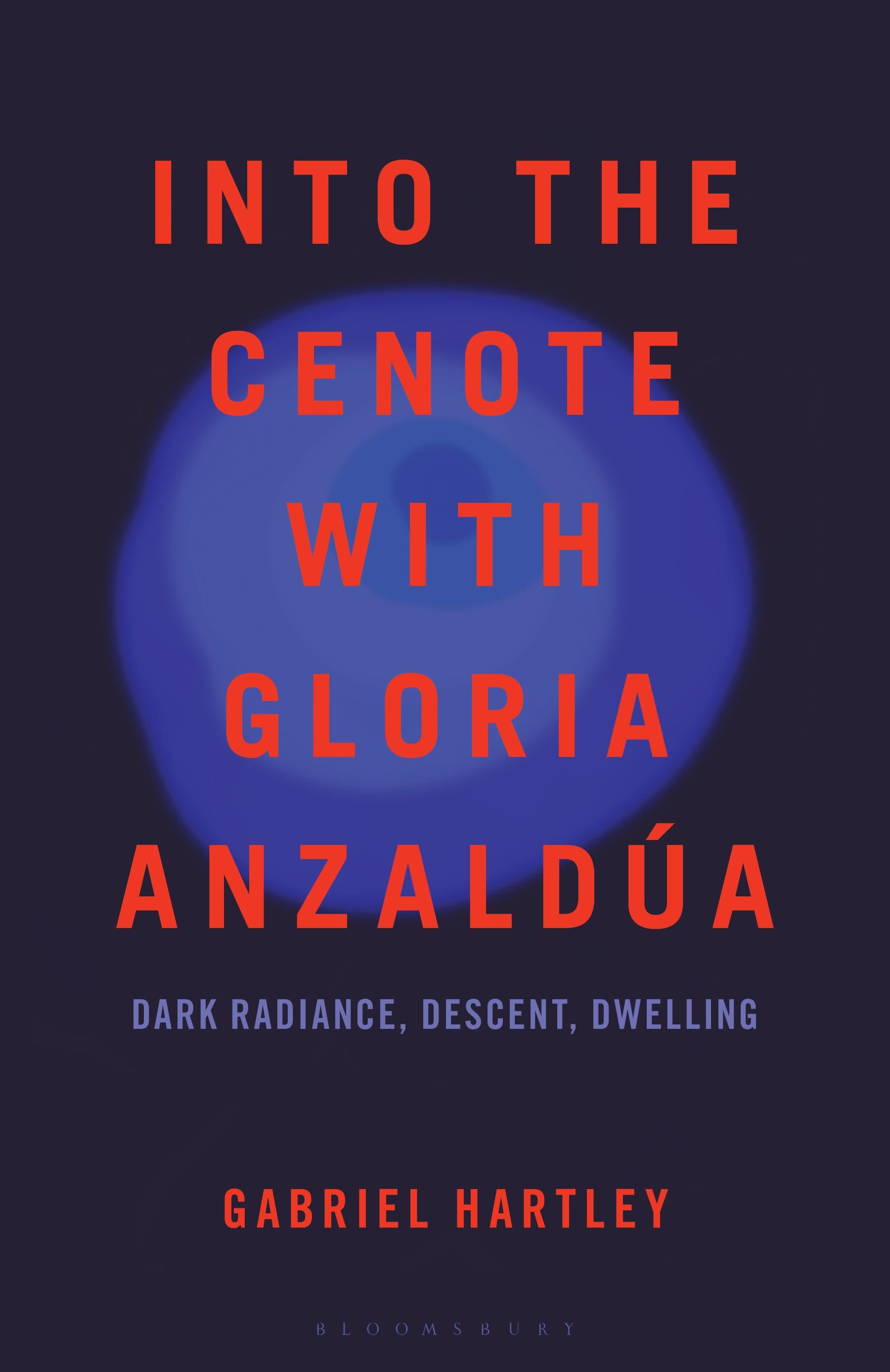
Equal parts poetic and philosophical, this innovative study positions Chicana feminist activist, Gloria Anzaldúa's canonical work as a main departure point for critical meditations on indigeneity, solidarity, and human proximity in the Americas and beyond.
By employing Anzaldúa's notion of the open wound (una herida abierta), Gabriel Hartley argues against the Western epistemological dominance in extant conceptions of identity constructions, citizenship, belonging and, generally, discriminatory hierarchical social and cultural categorizations. Blending close engagement with Anzaldúa, decolonial thought, indigenous cosmologies, and personal visionary experience, Gabriel Hartley offers a rigorous yet evocative reimagining of darkness as a generative force in fractured times.
Divided into two stages, this book takes Gloria Anzaldúa's concept of the Coyolxauhqui imperative-dismemberment without final resolution-as its guiding force, refusing narratives of healing that promise closure. Stage I, The Anzaldúan Vortex, follows a geomantic sequence through the Medicine Wheel, the open wound, curanderismo, and a series of goddess figures-Coatlicue, Tlazolteotl, and Coyolxauhqui-understood not as symbols to be interpreted but as chthonic agencies that draw consciousness into recursive descent. Stage II, Into the Cenote, enters the cenote as a living transformation engine rather than a metaphor. Here, Hartley introduces the Cenotehedron and the Š-dimension as structures of descent, perforation, and inversion, culminating in an account of Coyolxauhqui's dark radiance as a mode of illumination that emerges from fragmentation itself.
By employing Anzaldúa's notion of the open wound (una herida abierta), Gabriel Hartley argues against the Western epistemological dominance in extant conceptions of identity constructions, citizenship, belonging and, generally, discriminatory hierarchical social and cultural categorizations. Blending close engagement with Anzaldúa, decolonial thought, indigenous cosmologies, and personal visionary experience, Gabriel Hartley offers a rigorous yet evocative reimagining of darkness as a generative force in fractured times.
Divided into two stages, this book takes Gloria Anzaldúa's concept of the Coyolxauhqui imperative-dismemberment without final resolution-as its guiding force, refusing narratives of healing that promise closure. Stage I, The Anzaldúan Vortex, follows a geomantic sequence through the Medicine Wheel, the open wound, curanderismo, and a series of goddess figures-Coatlicue, Tlazolteotl, and Coyolxauhqui-understood not as symbols to be interpreted but as chthonic agencies that draw consciousness into recursive descent. Stage II, Into the Cenote, enters the cenote as a living transformation engine rather than a metaphor. Here, Hartley introduces the Cenotehedron and the Š-dimension as structures of descent, perforation, and inversion, culminating in an account of Coyolxauhqui's dark radiance as a mode of illumination that emerges from fragmentation itself.
Páginas: 248
Categoría: Kultur-, Genus- & Postkoloniala studier
e-ISBN: 9781978759237
Peso de envío: 1.2 kg
Envío en: 1-2 días
Paga fácilmente con tarjeta, Klarna, Apple Pay o Google Pay. ¿No estás contento? Siempre tienes 14 días de garantía de devolución. Lee más en nuestros términos. Si tienes preguntas, escríbenos a hello@memmo.org.
Memmo hace que estudiar sea más fácil, estés donde estés. Aquí tienes tus libros de texto y herramientas de estudio inteligentes en un solo lugar: resúmenes, quizzes, podcasts y flashcards. Y también a Ted, tu compañero de estudio que responde a todo lo que te preguntes. Más de 50 000 estudiantes ya estudian aquí. Está hecho para que aprendas más rápido y te estreses menos.