
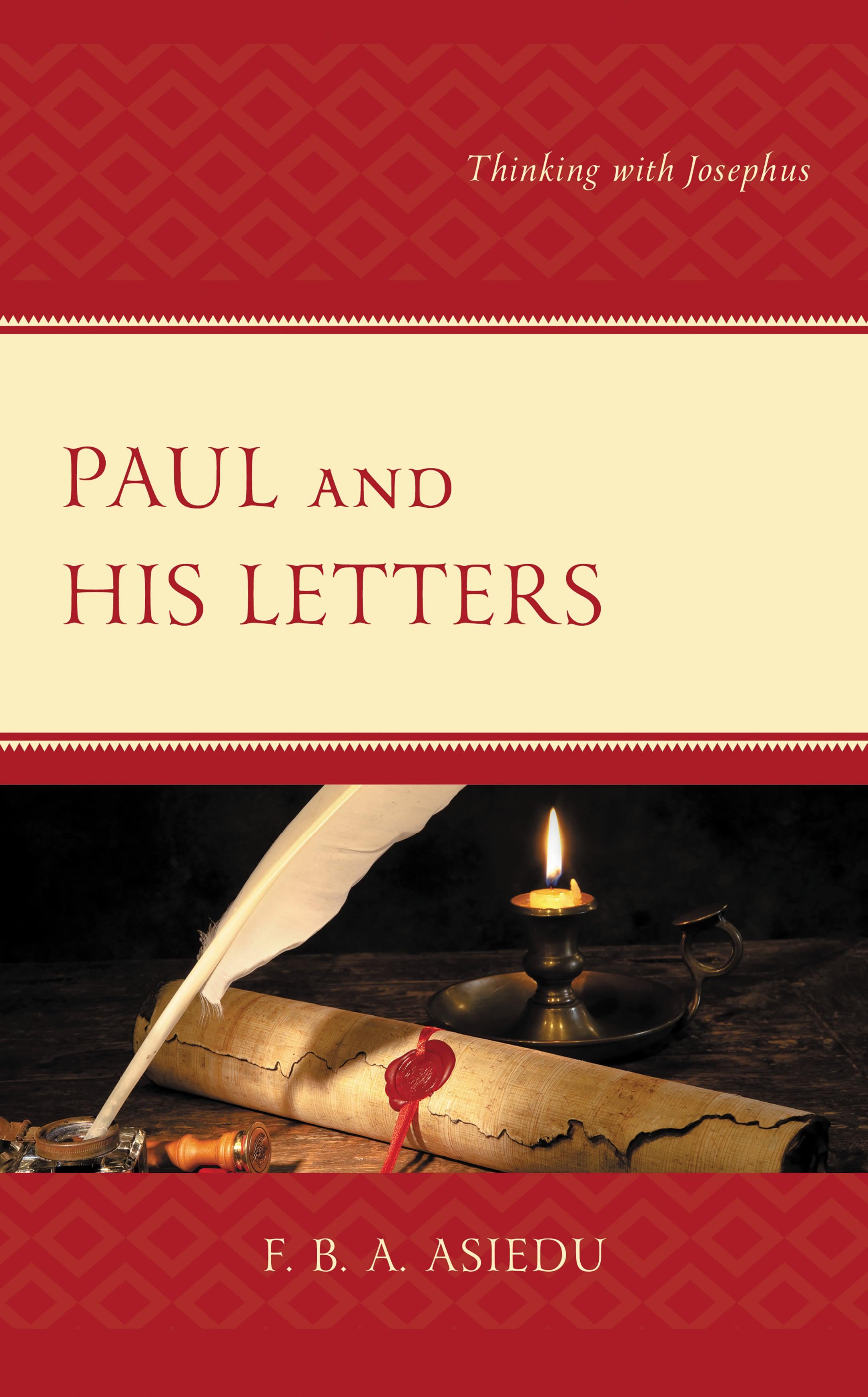
Paul the apostle and historian Flavius Josephus spent considerable parts of their careers away from Jerusalem. They cultivated Roman audiences under very different circumstances: Paul with his Letter to the Romans, and Josephus with the writings he produced in Rome after the Jewish War. Curiously, Paul’s last visit to Jerusalem coincided with Josephus’s entry into public life, a period about which Josephus is deliberately silent. In Paul and His Letters: Thinking with Josephus, F. B. A. Asiedu selects themes from Josephus’s life to explore Paul’s letters and biography that contribute to his uniqueness in Jewish history. He highlights, for example, the need to read Romans 9–11 as aporetic discourse to appreciate Paul as an existential thinker. Asiedu considers, among other things, the authenticity of Paul’s letters and offers an alternative to the prevailing scholarly consensus. He also maintains that the Pauline collection in the New Testament first took shape in the house of Gaius in Corinth, where Paul composed his Letter to the Romans. Asiedu also suggests that the traditional view that Luke the physician wrote the Acts of the Apostles is probably a mistake. He argues that Titus the Greek, the coworker and friend of Barnabas and Paul, most likely authored it.
Paga fácilmente con tarjeta, Klarna, Apple Pay o Google Pay. ¿No estás contento? Siempre tienes 14 días de garantía de devolución. Lee más en nuestros términos. Si tienes preguntas, escríbenos a hello@memmo.org.
Memmo hace que estudiar sea más fácil, estés donde estés. Aquí tienes tus libros de texto y herramientas de estudio inteligentes en un solo lugar: resúmenes, quizzes, podcasts y flashcards. Y también a Ted, tu compañero de estudio que responde a todo lo que te preguntes. Más de 50 000 estudiantes ya estudian aquí. Está hecho para que aprendas más rápido y te estreses menos.