
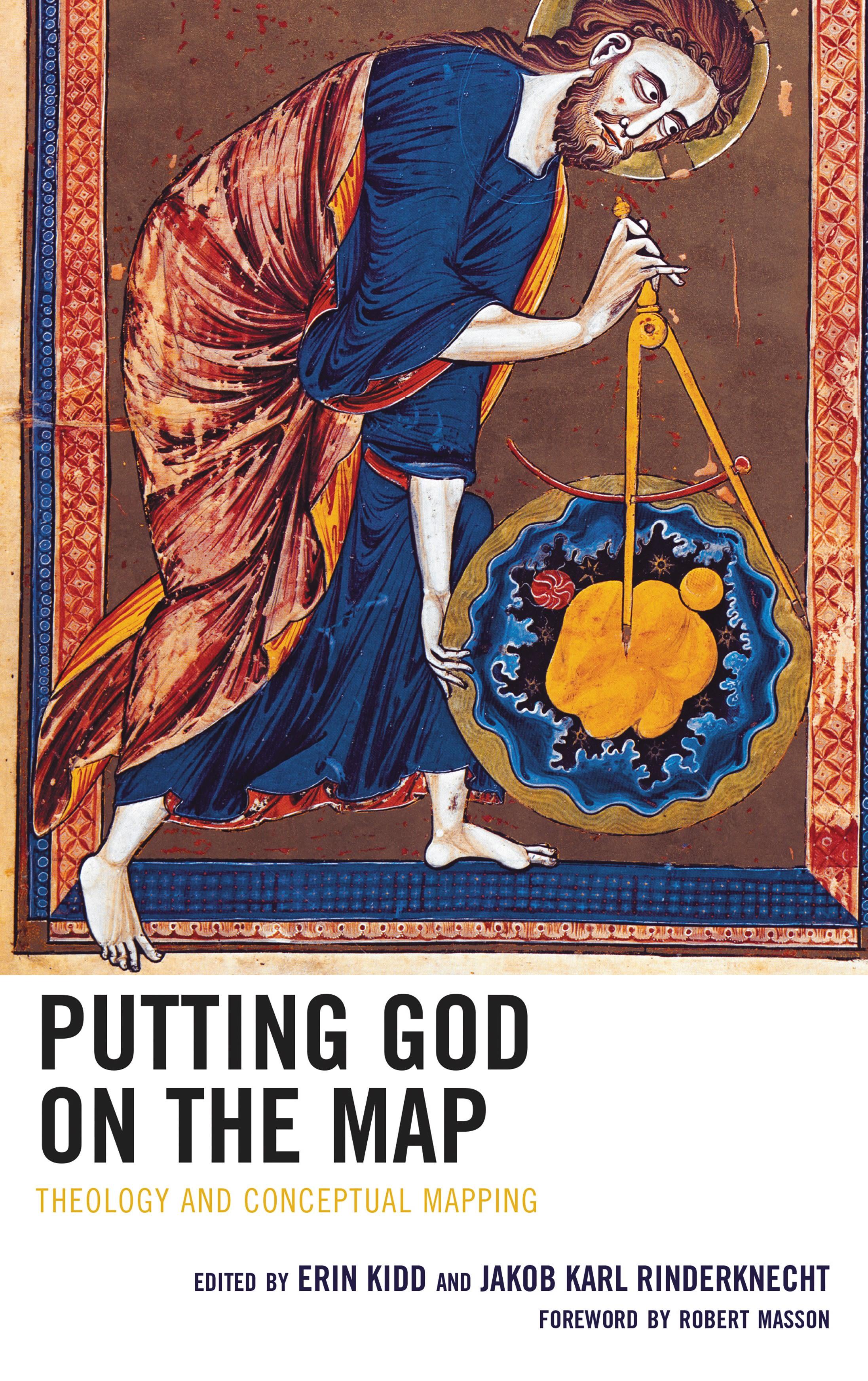
Since the middle of the last century, the emergence and development of fields as diverse as artificial intelligence, evolutionary science, cognitive linguistics, and neuroscience have led to a greater understanding of the ways in which humans think. One of the major discoveries involves what researchers refer to as conceptual mapping. According to theories of conceptual mapping, human thought is profoundly shaped by the ability to make connections. Simply put, human thinking is metaphorical all the way down. This insight has revolutionized the way in which scientists and philosophers think about the mind/body problem, the formation and function of language, and even the development of scientific progress itself. Until recently however, this research has gone largely unnoticed within Christian theology. But this revolution in understanding human cognition calls for broader and richer engagement with theology and religious studies: How does this new insight into human meaning-making bear on our understanding of religious meaning-making? And how might Christian theology interpret and respond to this new understanding of the development of human thought?
This edited volume offers an introduction to conceptual mapping that is accessible to those with no previous knowledge of the field, and demonstrates the substantial resources this interdisciplinary research has for thinking about a variety of theological questions. The book begins with a chapter introducing the reader to the basics of conceptual mapping. The remaining chapters apply these insights to a variety of theological topics including anthropology, sacramental theology, biblical studies, ecumenical theology, and ethics.
This edited volume offers an introduction to conceptual mapping that is accessible to those with no previous knowledge of the field, and demonstrates the substantial resources this interdisciplinary research has for thinking about a variety of theological questions. The book begins with a chapter introducing the reader to the basics of conceptual mapping. The remaining chapters apply these insights to a variety of theological topics including anthropology, sacramental theology, biblical studies, ecumenical theology, and ethics.
Paga fácilmente con tarjeta, Klarna, Apple Pay o Google Pay. ¿No estás contento? Siempre tienes 14 días de garantía de devolución. Lee más en nuestros términos. Si tienes preguntas, escríbenos a hello@memmo.org.
Memmo hace que estudiar sea más fácil, estés donde estés. Aquí tienes tus libros de texto y herramientas de estudio inteligentes en un solo lugar: resúmenes, quizzes, podcasts y flashcards. Y también a Ted, tu compañero de estudio que responde a todo lo que te preguntes. Más de 50 000 estudiantes ya estudian aquí. Está hecho para que aprendas más rápido y te estreses menos.