
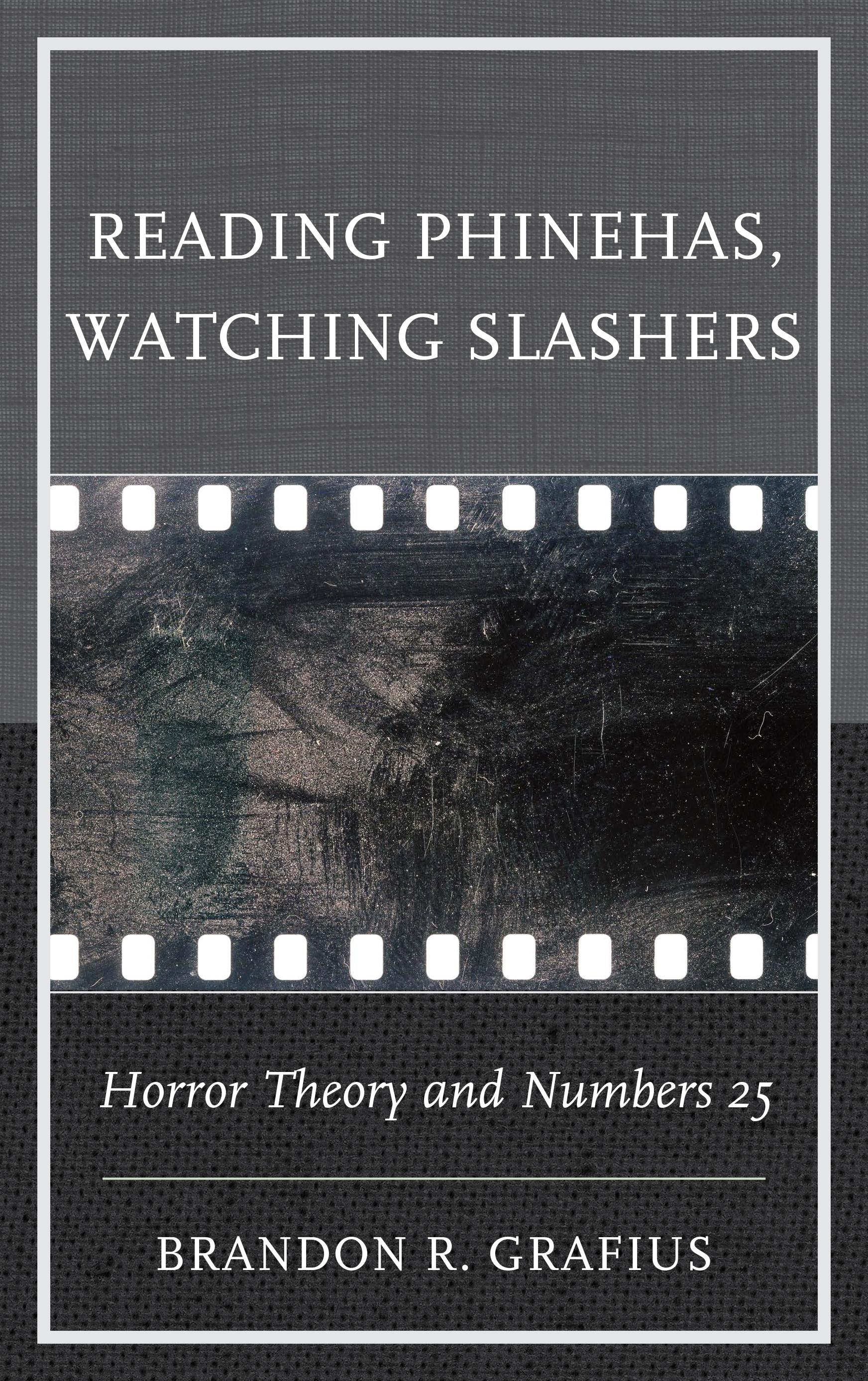
The tale of the “zeal” of Phineas, expressed when he killed an Israelite man and a Midianite woman having sex and thus stopped a “plague” of consorting with idolatrous neighbors in the Israelite camp (Numbers 25), has long attracted both interest and revulsion. Scholars have sought to defend the account, to explain it as pious fiction, or to protest its horrific violence. Brandon R. Grafius seeks to understand how the tale expresses the latent anxieties of the Israelite society that produced it, combining the insights of historical criticism with those of contemporary horror and monster theory. Grafius compares Israelite anxieties concerning ethnic boundaries and community organization with similar anxieties apparent in horror films of the 1980s, then finds confirmation for his method in the responses of Roman-period readers who reacted to the tale of Phineas as a tale of horror. The combination of methods allows Grafius to illumine the concern of an ancient priestly class to control unsettled and unsettling community boundaries??and to raise questions of implications for our own time.
Paga fácilmente con tarjeta, Klarna, Apple Pay o Google Pay. ¿No estás contento? Siempre tienes 14 días de garantía de devolución. Lee más en nuestros términos. Si tienes preguntas, escríbenos a hello@memmo.org.
Memmo hace que estudiar sea más fácil, estés donde estés. Aquí tienes tus libros de texto y herramientas de estudio inteligentes en un solo lugar: resúmenes, quizzes, podcasts y flashcards. Y también a Ted, tu compañero de estudio que responde a todo lo que te preguntes. Más de 50 000 estudiantes ya estudian aquí. Está hecho para que aprendas más rápido y te estreses menos.