
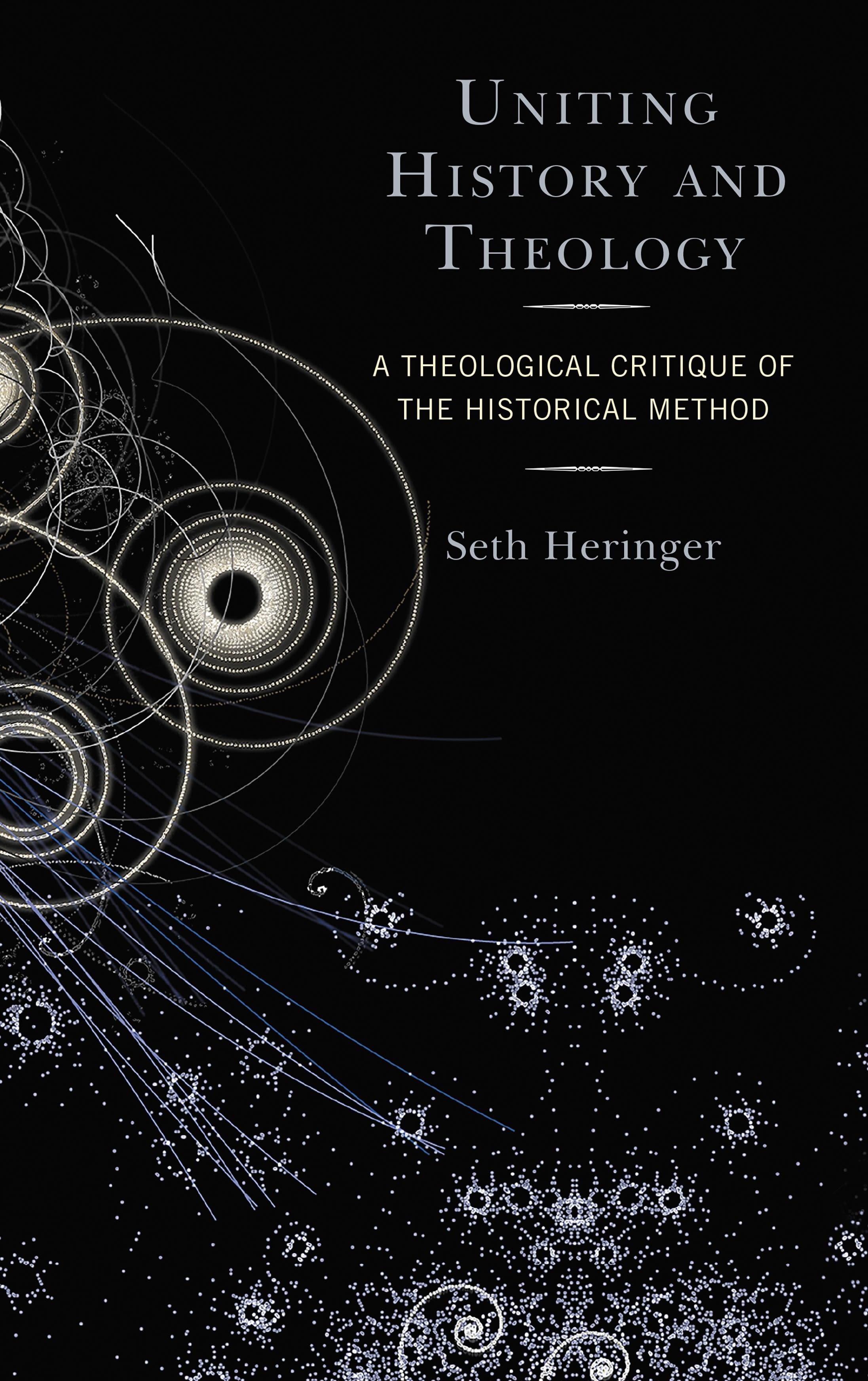
Uniting History and Theology argues that, for too long, Christians primarily have used the historical method to make historical claims. In doing so, they have used a method grounded in an incomplete understating of German historicism, thereby closing off investigation of the past from the aesthetic and God. The author contends that Martin Kähler, Wolfhart Pannenberg, and N. T. Wright have been unsuccessful in their attempts to unify history and theology because they have not yet rejected the historical method as the primary way to think about past events. Unsatisfied with the various mixtures of history and theology, the volume looks to the contemporary philosophy of history for new approaches. After having examined these approaches and their critiques of the current historical method, the work proposes that an intentionally Christian method is needed. Setting out five cairns that mark the path forward for such a method, the author argues that narratives must be taken seriously; objectivity and neutrality do not exist in historical accounts; historians must find ways to unite the past, present, and future; aesthetics should be used to judge historical narratives; and Christians should write boldly Christian history.
Paga fácilmente con tarjeta, Klarna, Apple Pay o Google Pay. ¿No estás contento? Siempre tienes 14 días de garantía de devolución. Lee más en nuestros términos. Si tienes preguntas, escríbenos a hello@memmo.org.
Memmo hace que estudiar sea más fácil, estés donde estés. Aquí tienes tus libros de texto y herramientas de estudio inteligentes en un solo lugar: resúmenes, quizzes, podcasts y flashcards. Y también a Ted, tu compañero de estudio que responde a todo lo que te preguntes. Más de 50 000 estudiantes ya estudian aquí. Está hecho para que aprendas más rápido y te estreses menos.