
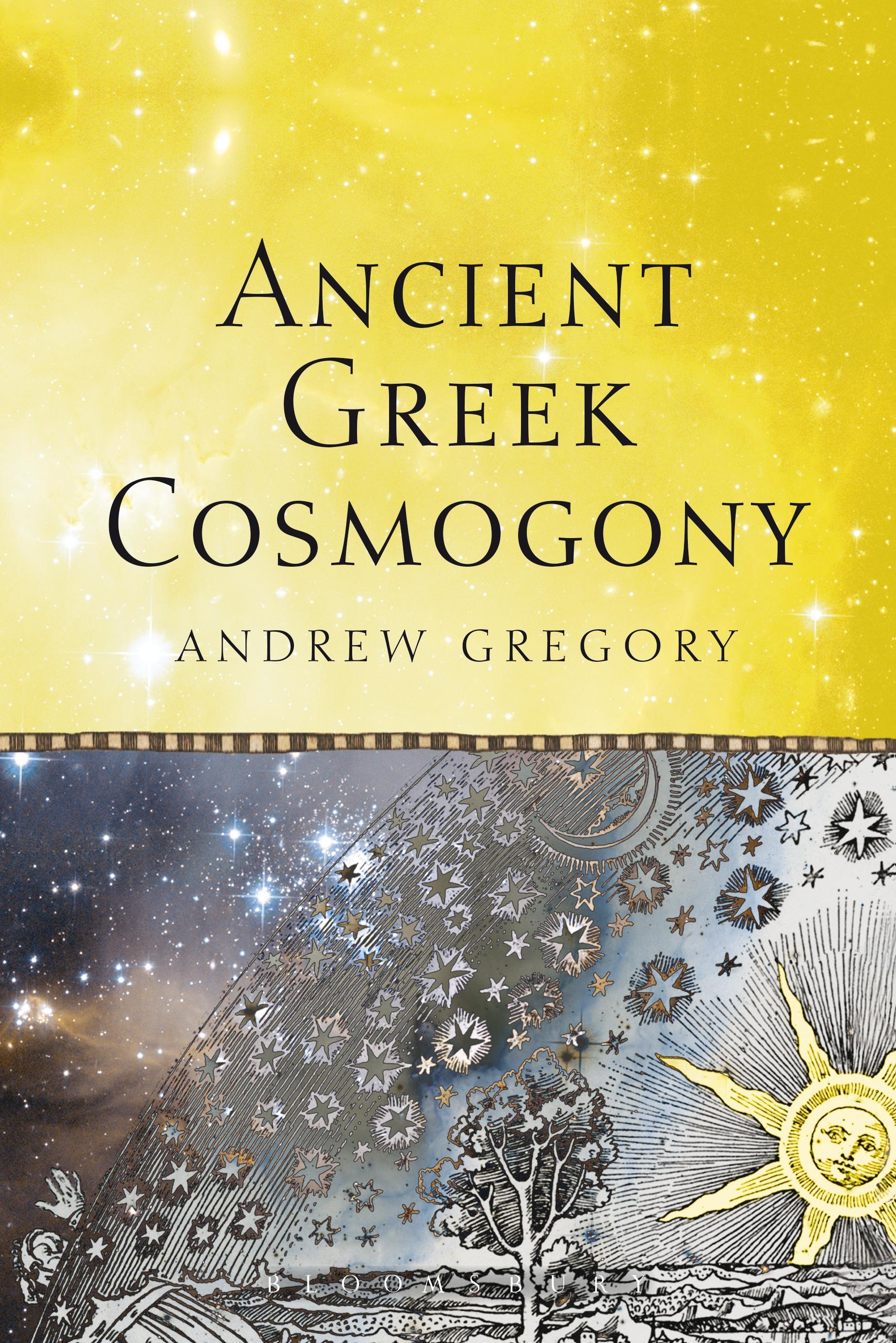
Ancient Greek Cosmogony is the first detailed, comprehensive account of ancient Greek theories of the origins of the world. It covers the period from 800 BC to 600 AD, beginning with myths concerning the creation of the world; the cosmogonies of all the major Greek and Roman thinkers; and the debate between Greek philosophical cosmogony and early Christian views. It argues that Greeks formulated many of the perennial problems of philosophical cosmogony and produced philosophically and scientifically interesting answers.
The atomists argued that our world was one among many worlds, and came about by chance. Plato argued that it is unique, and the product of design. Empedocles and the Stoics, in quite different ways, argued that there was an unending cycle whereby the world is generated, destroyed and generated again. Aristotle on the other hand argued that there was no such thing as cosmogony, and the world has always existed. Reactions to, and developments of, these ideas are traced through Hellenistic philosophy and the debates in early Christianity on whether God created the world from nothing or from some pre-existing chaos.
The book examines issues of the origins of life and the elements for the ancient Greeks, and how the cosmos will come to an end. It argues that there were several interesting debates between Greek philosophers on the fundamental principles of cosmogony, and that these debates were influential on the development of Greek philosophy and science.
The atomists argued that our world was one among many worlds, and came about by chance. Plato argued that it is unique, and the product of design. Empedocles and the Stoics, in quite different ways, argued that there was an unending cycle whereby the world is generated, destroyed and generated again. Aristotle on the other hand argued that there was no such thing as cosmogony, and the world has always existed. Reactions to, and developments of, these ideas are traced through Hellenistic philosophy and the debates in early Christianity on whether God created the world from nothing or from some pre-existing chaos.
The book examines issues of the origins of life and the elements for the ancient Greeks, and how the cosmos will come to an end. It argues that there were several interesting debates between Greek philosophers on the fundamental principles of cosmogony, and that these debates were influential on the development of Greek philosophy and science.
Paga fácilmente con tarjeta, Klarna, Apple Pay o Google Pay. ¿No estás contento? Siempre tienes 14 días de garantía de devolución. Lee más en nuestros términos. Si tienes preguntas, escríbenos a hello@memmo.org.
Memmo hace que estudiar sea más fácil, estés donde estés. Aquí tienes tus libros de texto y herramientas de estudio inteligentes en un solo lugar: resúmenes, quizzes, podcasts y flashcards. Y también a Ted, tu compañero de estudio que responde a todo lo que te preguntes. Más de 50 000 estudiantes ya estudian aquí. Está hecho para que aprendas más rápido y te estreses menos.