
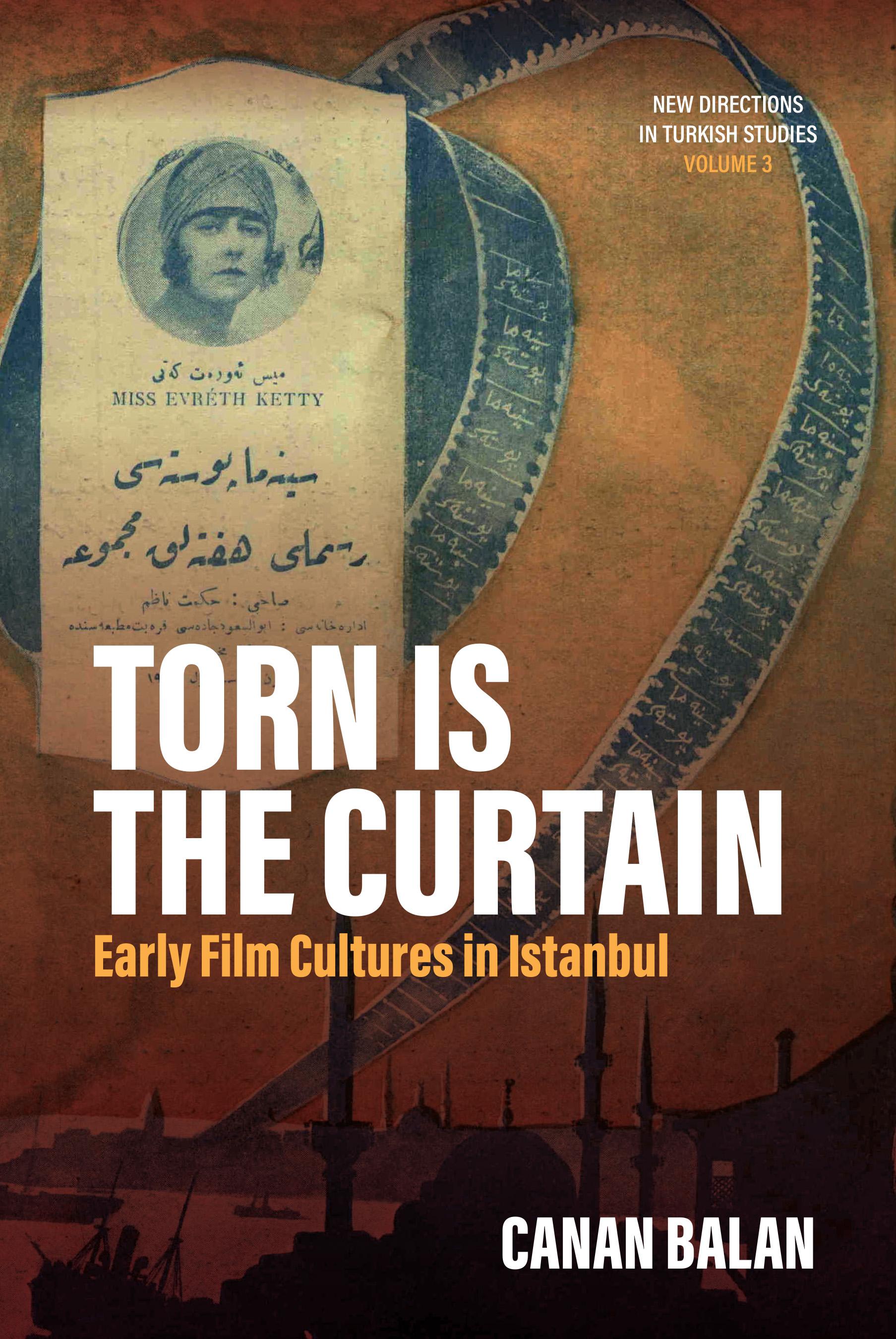
Offering a feminist history of cinema at the edges of empire and the nation-state, this book explores how gender, class, and ethno-religious divisions were projected, performed, and entangled. It Focuses on the former Ottoman capital from the late nineteenth century to the early 1930s and investigates how cinema both reflected and shaped Istanbul’s complex social fabric. Drawing on a wide range of primary sources—including newspapers, trade records, consular reports, memoirs, novels, Islamic teachings, poems, shadow-play texts, and surviving silent films—it situates early cinematic experiences within the intersecting contexts of societal change, gender politics, and competing worldviews. The analysis reveals how religious and cultural practices, particularly the Alevi-Bektashi faith and the women’s movement, informed emerging notions of cinematic modernity and cross-cultural exchange in the region.
Paga fácilmente con tarjeta, Klarna, Apple Pay o Google Pay. ¿No estás contento? Siempre tienes 14 días de garantía de devolución. Lee más en nuestros términos. Si tienes preguntas, escríbenos a hello@memmo.org.
Memmo hace que estudiar sea más fácil, estés donde estés. Aquí tienes tus libros de texto y herramientas de estudio inteligentes en un solo lugar: resúmenes, quizzes, podcasts y flashcards. Y también a Ted, tu compañero de estudio que responde a todo lo que te preguntes. Más de 50 000 estudiantes ya estudian aquí. Está hecho para que aprendas más rápido y te estreses menos.