
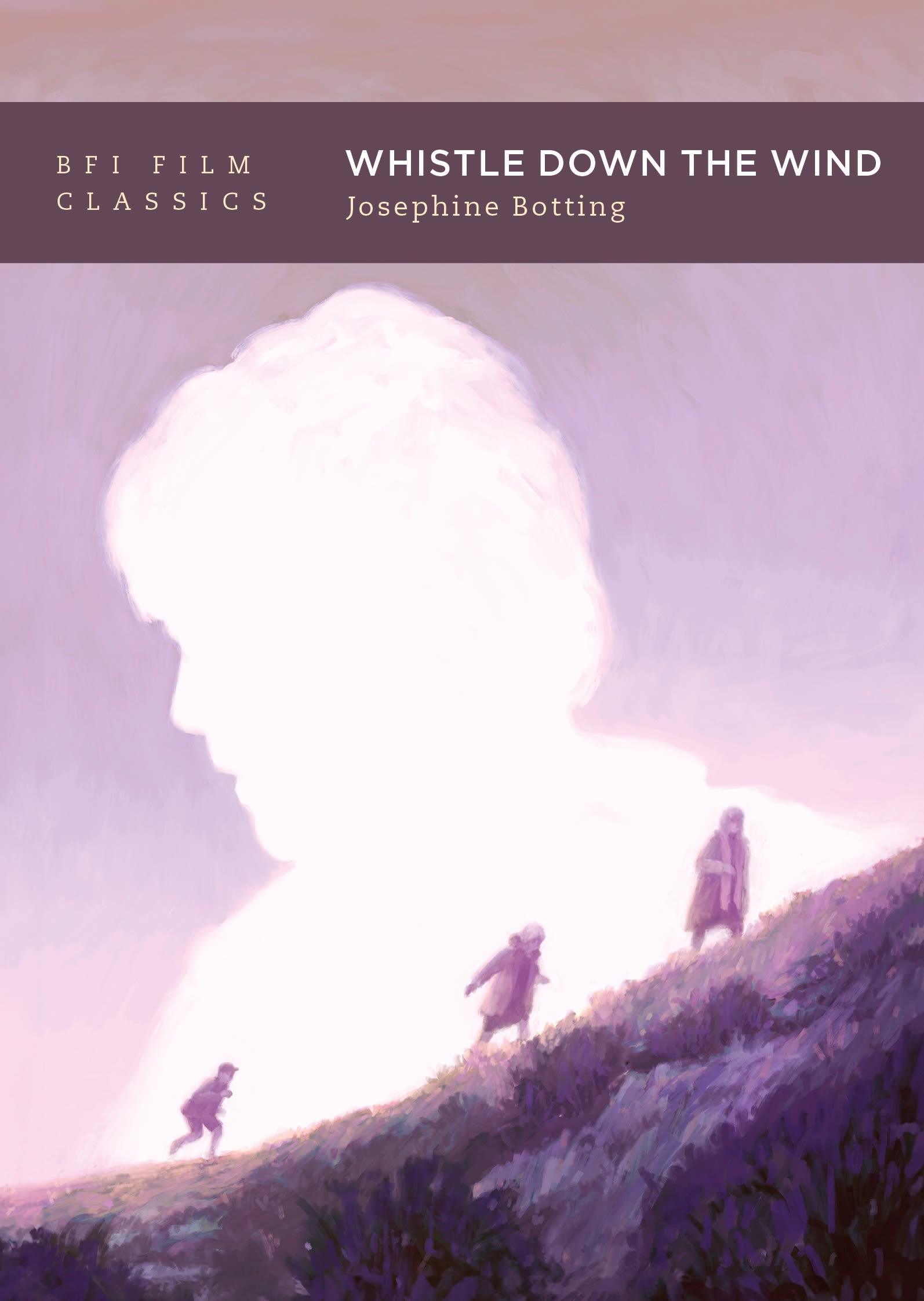
Based on Mary Hayley Bell's 1958 novella, Bryan Forbes's Whistle Down the Wind (1961) is a moving and compelling story of three siblings who find a stranger hiding in their family barn. Mistaking him for Jesus, they keep his presence a secret from the adults around them. Josephine Botting's study places this remarkable film within the landscape of the British industry in the early 1960s and examines the ways Bell's source material is adapted for the screen.
Botting assesses the creative contribution of Forbes to this critically acclaimed and much-loved British film. Shot almost entirely on location, its black and white camerawork uses the bleak Lancashire landscape as a haunting backdrop to its tale of innocence and faith. The use of both professional and amateur actors, furnished with humorous dialogue by writers Keith Waterhouse and Willis Hall, brings a unique authenticity to the depiction of rural life in Northern England.
Botting explores how the screenplay, cinematography, editing, musical score by Malcolm Arnold and use of sound contribute to the creation of an emotionally powerful narrative, yet one which avoids the sentimentality or 'cuteness' that child-centred films can suffer from. Botting traces the film's critical reception and addresses its neglect in recent literature, along with its relationship to works such as Kes (1969), The Railway Children (1970) and El Espíritu de la Colmena (Víctor Eríce, 1973), which similarly present the adult world through the eyes of children.
Botting assesses the creative contribution of Forbes to this critically acclaimed and much-loved British film. Shot almost entirely on location, its black and white camerawork uses the bleak Lancashire landscape as a haunting backdrop to its tale of innocence and faith. The use of both professional and amateur actors, furnished with humorous dialogue by writers Keith Waterhouse and Willis Hall, brings a unique authenticity to the depiction of rural life in Northern England.
Botting explores how the screenplay, cinematography, editing, musical score by Malcolm Arnold and use of sound contribute to the creation of an emotionally powerful narrative, yet one which avoids the sentimentality or 'cuteness' that child-centred films can suffer from. Botting traces the film's critical reception and addresses its neglect in recent literature, along with its relationship to works such as Kes (1969), The Railway Children (1970) and El Espíritu de la Colmena (Víctor Eríce, 1973), which similarly present the adult world through the eyes of children.
Páginas: 104
Categoría: Film- & Medievetenskap
e-ISBN: 9781805750598
Peso de envío: 1.2 kg
Envío en: 1-2 días
Paga fácilmente con tarjeta, Klarna, Apple Pay o Google Pay. ¿No estás contento? Siempre tienes 14 días de garantía de devolución. Lee más en nuestros términos. Si tienes preguntas, escríbenos a hello@memmo.org.
Memmo hace que estudiar sea más fácil, estés donde estés. Aquí tienes tus libros de texto y herramientas de estudio inteligentes en un solo lugar: resúmenes, quizzes, podcasts y flashcards. Y también a Ted, tu compañero de estudio que responde a todo lo que te preguntes. Más de 50 000 estudiantes ya estudian aquí. Está hecho para que aprendas más rápido y te estreses menos.