
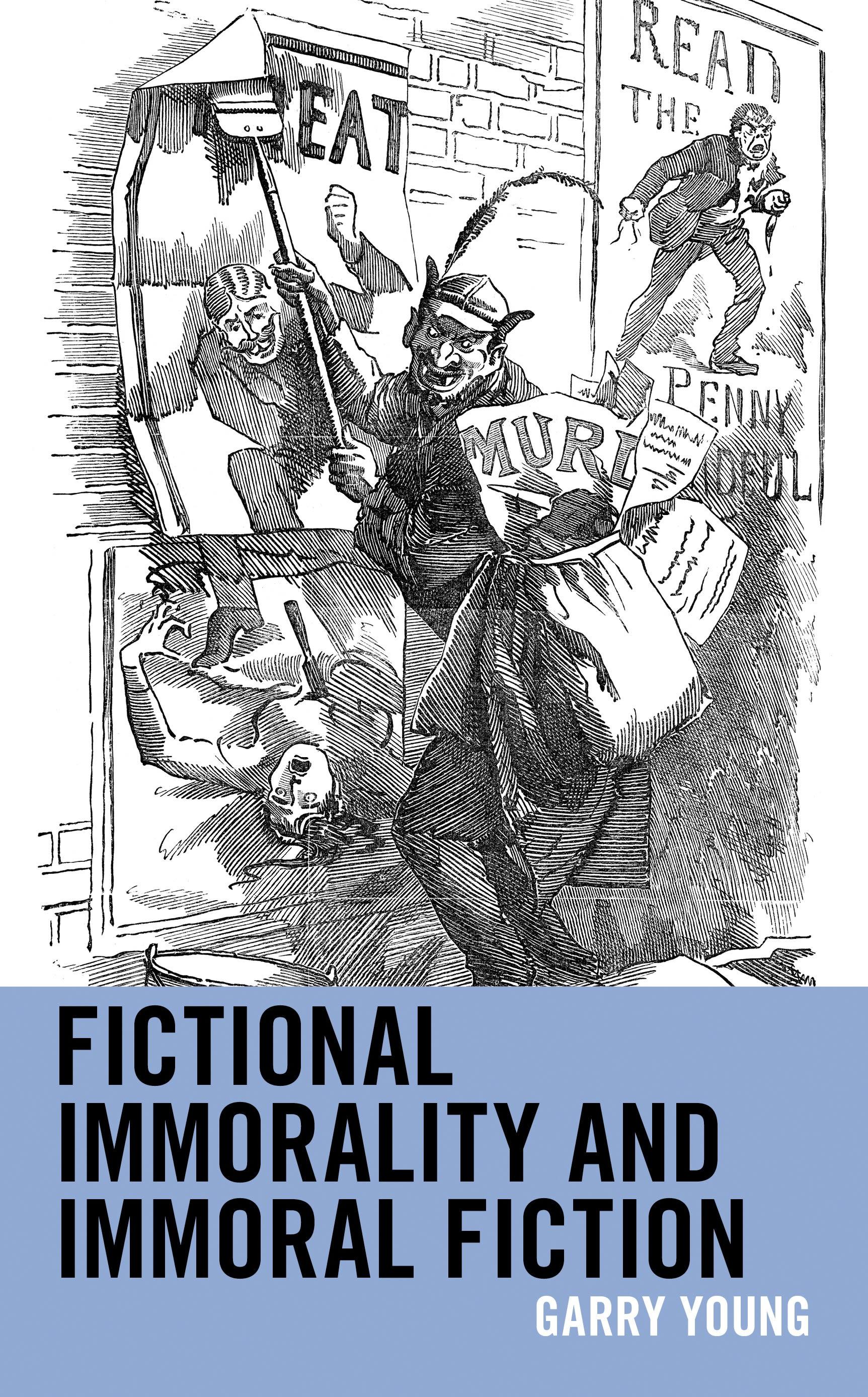
It is commonplace for fictional content to depict immoral activities: the kidnapping of a politician, for example, or the elaborate theft of a national treasure, or perhaps the gruesome proclivities of a sadistic murderer. These and similar depictions can be found across a range of media, and in varying degrees of detail and realism. Fictional Immorality and Immoral Fiction examines potential conditions for transforming fictional immorality into immoral fiction, in order to establish what makes a depiction of fictional immorality and/or one’s engagement with it immoral. To achieve this aim, Garry Young analyzes fictional content, its meaning, one’s motivation for engaging with it, and the medium in which the fiction is presented (such as film, literature, theatre, video games) using philosophical inquiry. The end result is a systematic examination of fictional immorality, which contributes toward debates on the morality of depicting and engaging with fictional immorality, as well as the reach of censorship and other forms of prohibition, especially when the act depicted is of the kind that would be most egregious if carried out in reality.
Paga fácilmente con tarjeta, Klarna, Apple Pay o Google Pay. ¿No estás contento? Siempre tienes 14 días de garantía de devolución. Lee más en nuestros términos. Si tienes preguntas, escríbenos a hello@memmo.org.
Memmo hace que estudiar sea más fácil, estés donde estés. Aquí tienes tus libros de texto y herramientas de estudio inteligentes en un solo lugar: resúmenes, quizzes, podcasts y flashcards. Y también a Ted, tu compañero de estudio que responde a todo lo que te preguntes. Más de 50 000 estudiantes ya estudian aquí. Está hecho para que aprendas más rápido y te estreses menos.