
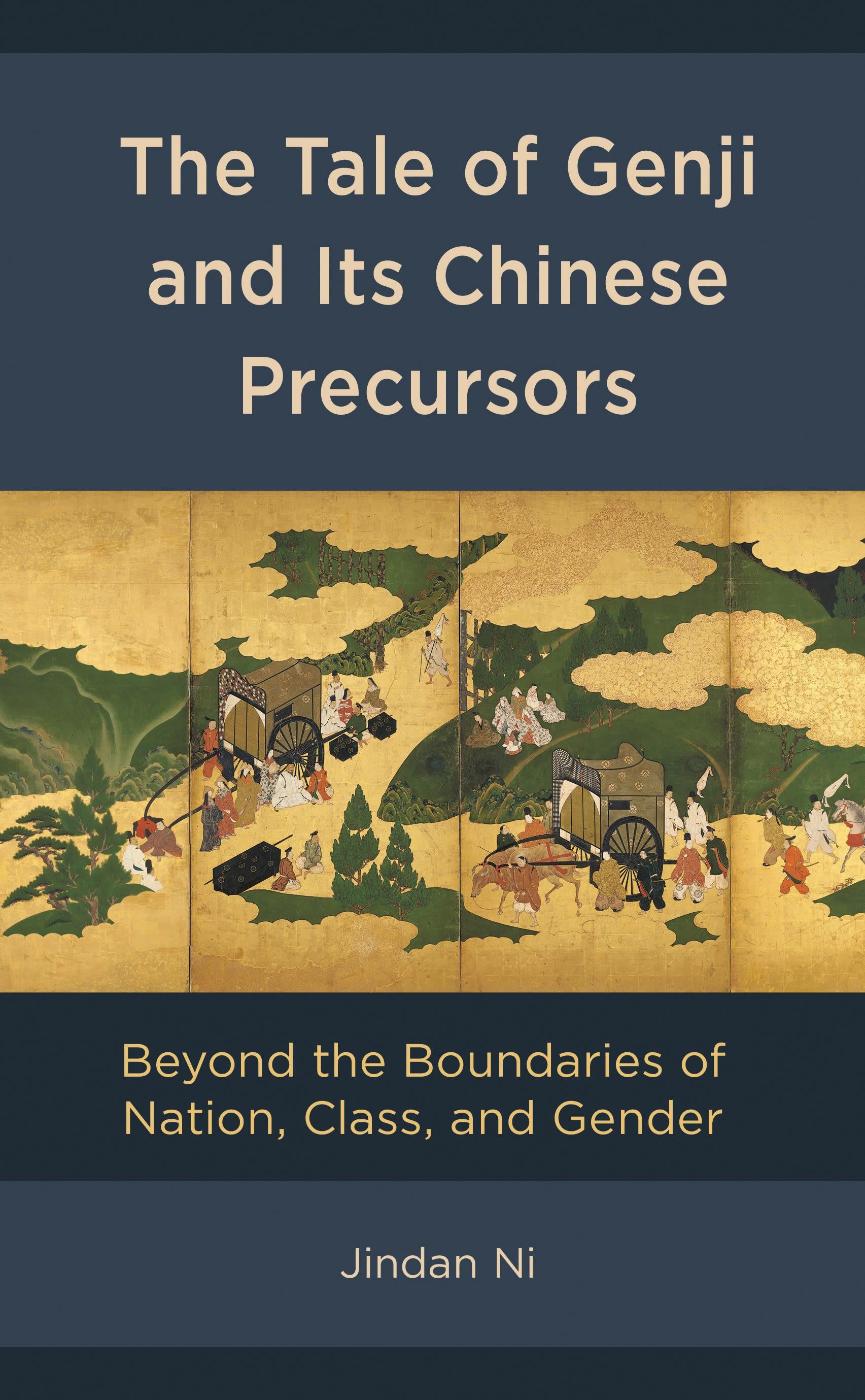
In The Tale of Genji and Its Chinese Precursors: Beyond the Boundaries of Nation, Class, and Gender, Jindan Ni departs from a “nativist” tradition which views The Tale of Genji as epitomizing an exclusively Japanese aesthetic distinct from Chinese influence and Buddhist values. Ni contests the traditional focus on Japanese essentialism by detailing the impact of Chinese literary forms and presenting the Japanese Heian Court as a site of dynamic and complex literary interchange. Combining close reading, the archival work of Japanese and Chinese scholars, and comparative literary theory, Ni argues that Murasaki Shikibu avoided the constraint of a single literary tradition by drawing on Chinese intertexts. Ni’s account reveals the heterogeneity that makes The Tale of Genji a masterpiece with enduring appeal.
Paga fácilmente con tarjeta, Klarna, Apple Pay o Google Pay. ¿No estás contento? Siempre tienes 14 días de garantía de devolución. Lee más en nuestros términos. Si tienes preguntas, escríbenos a hello@memmo.org.
Memmo hace que estudiar sea más fácil, estés donde estés. Aquí tienes tus libros de texto y herramientas de estudio inteligentes en un solo lugar: resúmenes, quizzes, podcasts y flashcards. Y también a Ted, tu compañero de estudio que responde a todo lo que te preguntes. Más de 50 000 estudiantes ya estudian aquí. Está hecho para que aprendas más rápido y te estreses menos.