
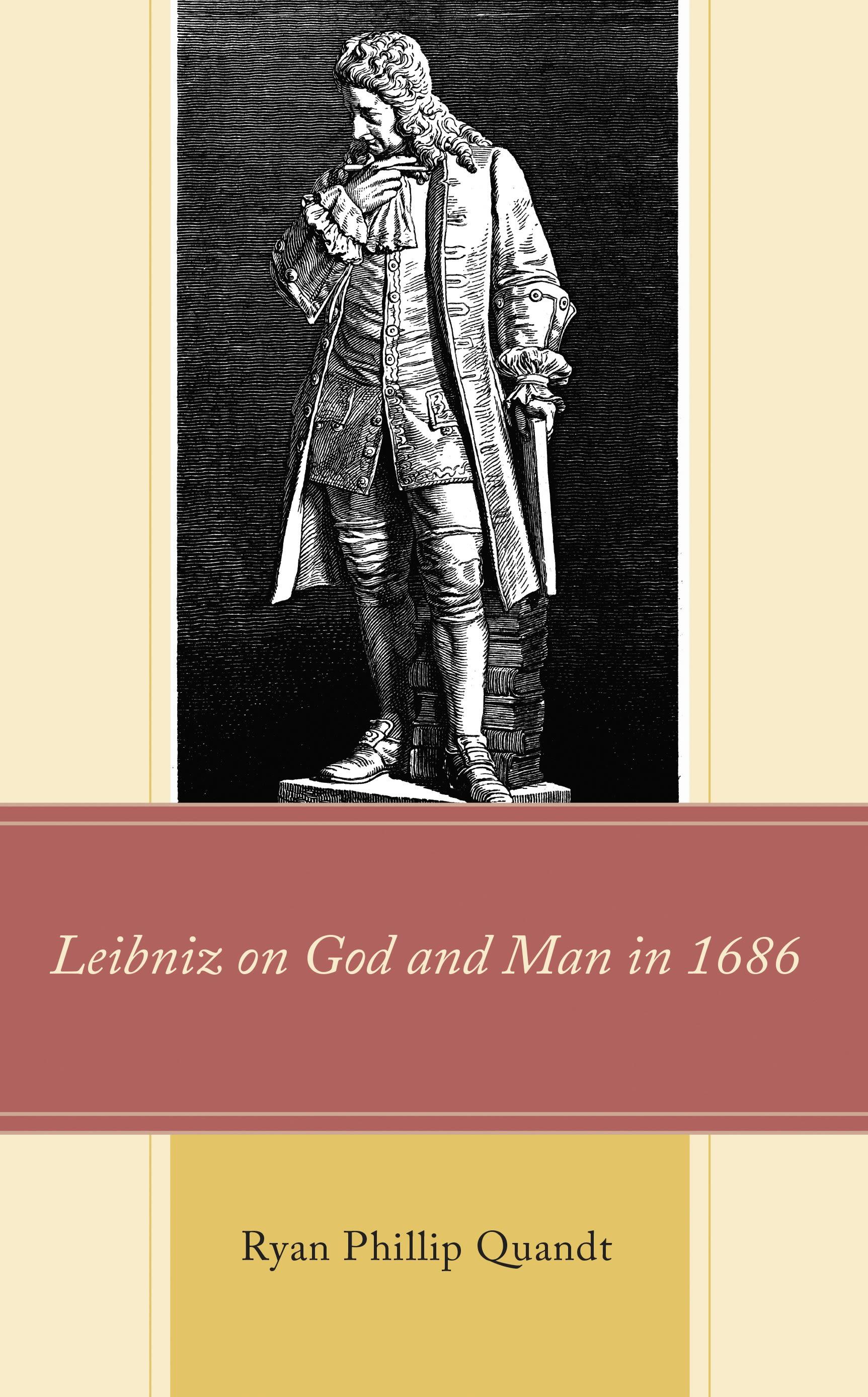
G. W. Leibniz’s Discourse on Metaphysics is viewed by many scholars as a milestone of his mature thought—his first attempt to systematize various stances. A lengthier, theological work, Examination of the Christian Religion, written a few months after, receives less press. While Leibniz’s intent for writing the theological piece may be left for speculation, Leibniz on God and Man in 1686 demonstrates that there is clear overlap between these two texts. Leibniz borrows from the metaphysics and physics of Discourse in his theology, and he writes that his metaphysical tract addresses “questions on grace, God’s concourse with creatures, the nature of miracles, the cause of sin and the origin of evil, the immortality of the soul, ideas, etc.” Despite challenges for drawing them close, Ryan Phillip Quandt argues that these texts converge in the moral quality of God and man that Leibniz took as the cornerstone of his system in 1686. Discourse coheres in a moral and scientific vision, while Examination centers on moral commitments. Love of God is their shared ideal.
Paga fácilmente con tarjeta, Klarna, Apple Pay o Google Pay. ¿No estás contento? Siempre tienes 14 días de garantía de devolución. Lee más en nuestros términos. Si tienes preguntas, escríbenos a hello@memmo.org.
Memmo hace que estudiar sea más fácil, estés donde estés. Aquí tienes tus libros de texto y herramientas de estudio inteligentes en un solo lugar: resúmenes, quizzes, podcasts y flashcards. Y también a Ted, tu compañero de estudio que responde a todo lo que te preguntes. Más de 50 000 estudiantes ya estudian aquí. Está hecho para que aprendas más rápido y te estreses menos.