
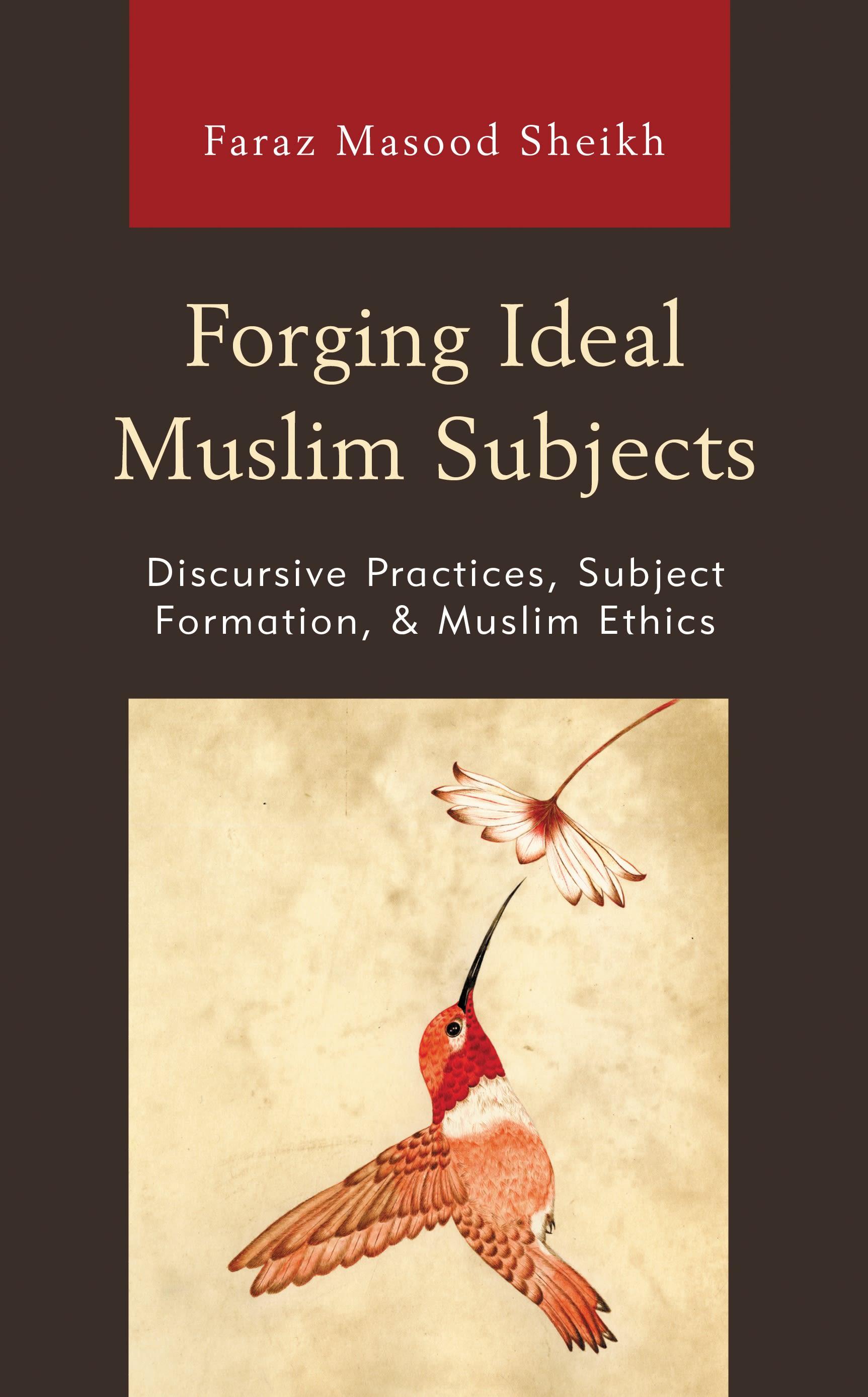
What forms can a religiously informed, ethical Muslim life take? This book presents two important accounts of ideal Muslim subjectivity, one by 9th century moral pedagogue, al-Harith al-Muhasibi (d. 857) and the other by 20th century Kurdish Quran scholar, Said Nursi (d. 1960). It reconstructs Muhasibi’s and Nursi’s accounts of ideal Muslim consciousness and analyzes the discursive practices implicated in its formation and expression. The book discusses the range of psychic states and ethical relations that Muhasibi and Nursi consider critical for living an authentically Muslim life. It highlights the importance of discursive practices in Muslim religious and moral self-production. The author draws on Foucault's insights about ethics and practices of self-care to examine familiar Muslim discourses in ways that enrich contemporary conversations about identity, individuality, community, authority, moral agency and virtue in the fields of religious studies, Islamic studies and Muslim ethics. The book deepens our understanding of the fluidity and fragility of both the more familiar, obligation-centered ethics in Islamic thought and the less familiar, belief-centered modes of religio-moral being.
Páginas: 198
Categoría: Religion & Teologi
e-ISBN: 9781793620132
Peso de envío: 1.2 kg
Envío en: 1-2 días
Paga fácilmente con tarjeta, Klarna, Apple Pay o Google Pay. ¿No estás contento? Siempre tienes 14 días de garantía de devolución. Lee más en nuestros términos. Si tienes preguntas, escríbenos a hello@memmo.org.
Memmo hace que estudiar sea más fácil, estés donde estés. Aquí tienes tus libros de texto y herramientas de estudio inteligentes en un solo lugar: resúmenes, quizzes, podcasts y flashcards. Y también a Ted, tu compañero de estudio que responde a todo lo que te preguntes. Más de 50 000 estudiantes ya estudian aquí. Está hecho para que aprendas más rápido y te estreses menos.