
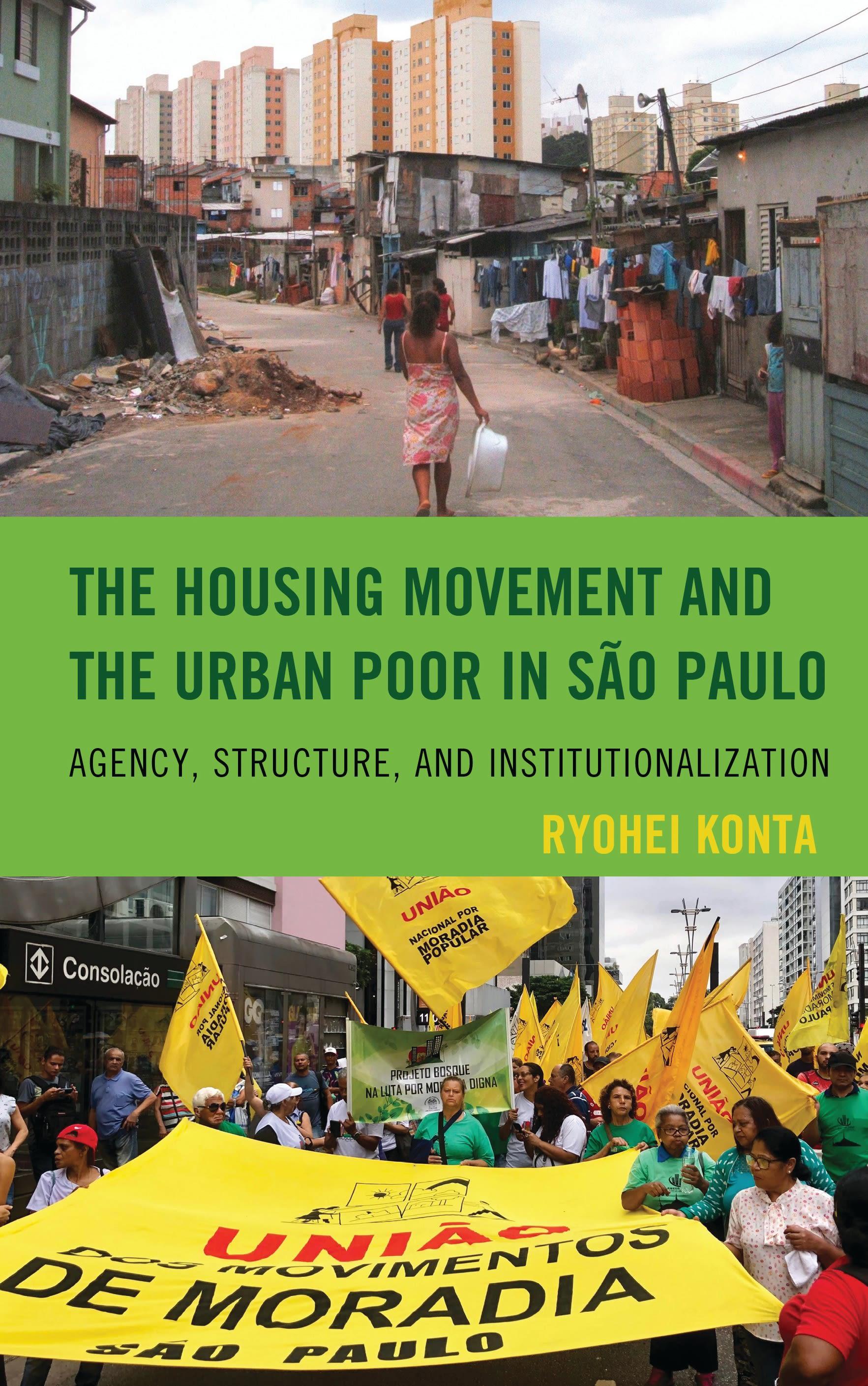
This book explores the ways in which the urban poor population of Brazil participates in social movements. This study focuses on their agency, analyzing the interactive relationship between the urban poor in collective actions and the structural change represented by the participatory administration, which primarily saw implementation and institutionalization in Brazil at the beginning of the 21st century. Ryohei Konta argues that, as the structure of the participatory administration is more actively implemented and institutionalized, social movements will benefit from increased political opportunities. This result encourages the urban poor to participate in social movements as a means to realize their interests. Participation in social movements also stimulates their action with intention and capability (agency), which collectively interacts with the structure of increased opportunities (participatory administration), leading to self-fulfillment and more frequent participation in social movements. Scholars of sociology, Latin American studies, economics, social movements, and urban development will find this book particularly useful.
Paga fácilmente con tarjeta, Klarna, Apple Pay o Google Pay. ¿No estás contento? Siempre tienes 14 días de garantía de devolución. Lee más en nuestros términos. Si tienes preguntas, escríbenos a hello@memmo.org.
Memmo hace que estudiar sea más fácil, estés donde estés. Aquí tienes tus libros de texto y herramientas de estudio inteligentes en un solo lugar: resúmenes, quizzes, podcasts y flashcards. Y también a Ted, tu compañero de estudio que responde a todo lo que te preguntes. Más de 50 000 estudiantes ya estudian aquí. Está hecho para que aprendas más rápido y te estreses menos.